

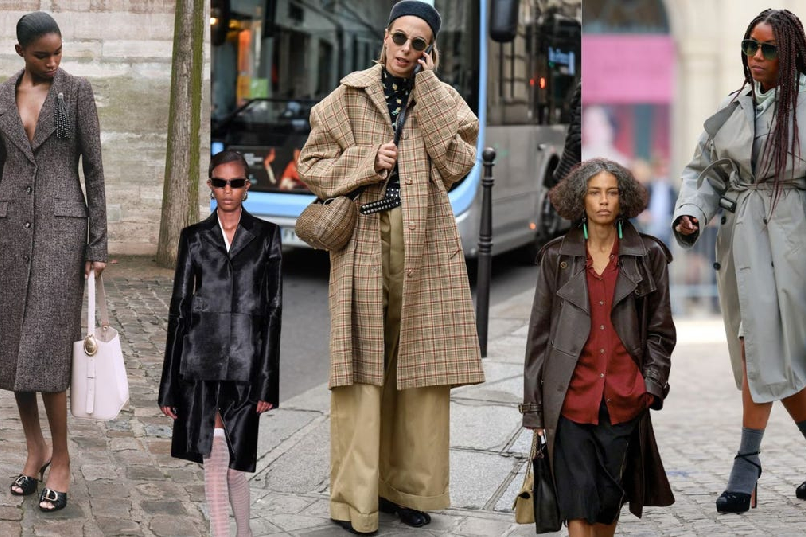
The coat is the first thing people see and the last thing that comes off. It frames every outfit worn beneath it, which makes it the highest-impact piece in the wardrobe per wear — not the most exciting purchase, perhaps, but the one that most consistently changes how everything else reads. A great coat makes a simple outfit look considered. A mediocre coat limits even the most carefully assembled look beneath it.
The coat is also the piece where quality pays back most clearly over time. A coat worn daily for six months of the year accumulates significant use — more than almost any other single garment. The one that maintains its shape, its fabric structure, and its appearance across multiple seasons is a fundamentally different investment from one that pills, loses its silhouette, or fades within two years.
What Makes A Coat Worth Buying
Fabric weight and composition. A coat that holds its structure across a day of wear, a commute, and being sat on in a taxi is a coat with appropriate fabric weight. Cheap wool blends use a low wool percentage and a high synthetic percentage — they look similar on the hanger and behave completely differently after three months of regular use. Look for a minimum of 50% wool content for a coat intended for regular wear in cold weather; 70%+ for a coat you want to last.
The silhouette is the decision that matters most long-term. Classic shapes — the boxy overcoat, the belted trench, the longline wrap — are the cuts that don’t date. More specific silhouettes that are clearly of a fashion moment (the exaggerated shoulder of a specific year, the very particular proportion of a trend cycle) date more visibly. For a coat being worn for five or more years, the classic silhouette is the more honest investment.
Construction at the seams and lining. A coat is pulled on and off daily, often roughly. The seams under the arms, at the back vent, and at the collar take significant stress. Quality construction reinforces these points; budget construction leaves them vulnerable. Checking seam quality before purchase — looking at the stitching density and the lining attachment — is ten seconds that saves considerable disappointment later.
The Best Women's Coats Worth Buying
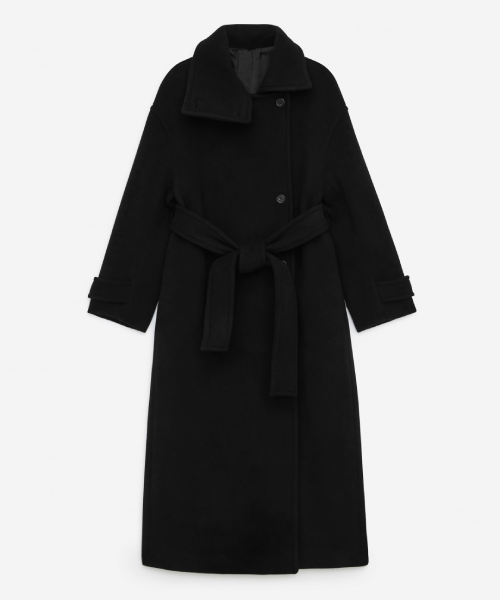
Available at: Arket (arket.com), in stores across Europe and UK
Best for: Those who want a well-constructed, classically proportioned coat at a mid-range price.
Arket — H&M Group’s quality-focused brand — produces wool blend coats at prices that represent genuine quality for the investment. The oversized coat in camel or oatmeal is the piece that most clearly demonstrates what the brand achieves at this price: a boxy, slightly-oversized silhouette in a wool blend heavy enough to hold its shape across a full day of wear, in a colour that suits most wardrobes and doesn’t date.
The fabric quality is the specific detail worth noting at this price point. Most brands at this price use a wool blend that’s primarily synthetic — the wool percentage is decorative rather than structural. Arket’s wool blend has enough wool content to behave like wool: it holds its structure, it doesn’t pill aggressively in the first season, and it maintains the drape of a quality coat rather than collapsing into a shapeless layer.
I’ve had an Arket coat in this range for three winters. The fabric is slightly softer than when new, the silhouette is unchanged, and the colour remains as clean as it was at purchase. For a coat in this price range, that’s an above-average outcome.
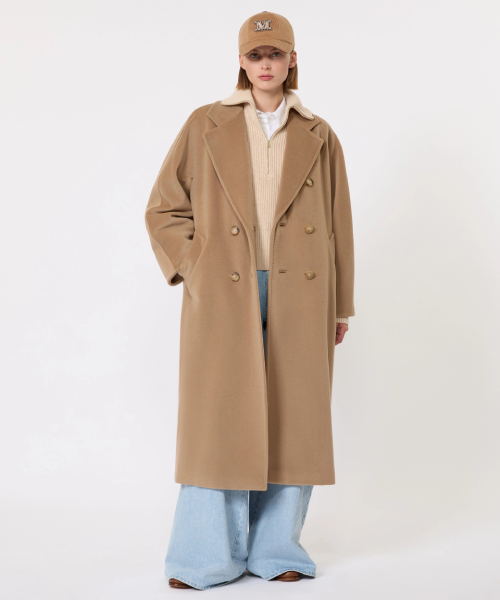
Available at: Max Mara (maxmara.com), Selfridges, Net-a-Porter, Harvey Nichols
Best for: Those who want the definitive investment coat — the one kept and worn for twenty years.
The Max Mara camel coat is the fashion reference point for the classic investment coat, and it earns that status through product quality rather than brand positioning. The double-faced virgin wool fabric — the same on both sides, which is the construction that allows the coat to be worn without a lining and still drape beautifully — the specific weight and handle that holds the silhouette perfectly, and the decades of refinement in the proportions that produce something that looks correct on a very wide range of body types.
It is genuinely expensive. The honest defence of that price is the longevity it represents: people keep Max Mara coats for twenty years and wear them consistently throughout. At a twenty-year daily carry cost, the per-wear price becomes significantly more reasonable than the upfront number suggests. The camel coat is the fashion investment where the investment argument is most honestly defensible.
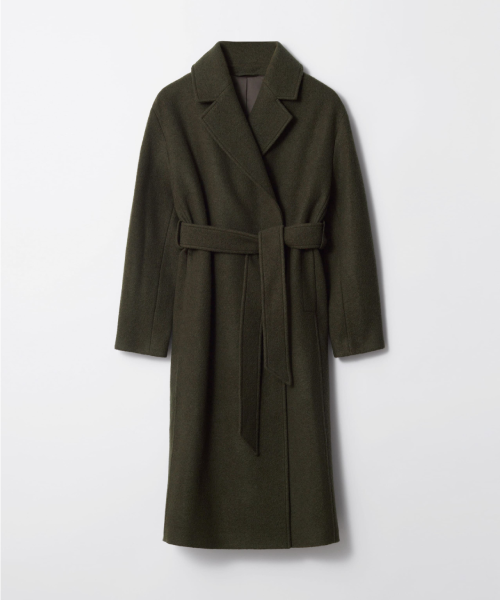
Available at: & Other Stories (stories.com)
Best for: Those who want a current, design-forward coat silhouette at mid-range prices.
& Other Stories consistently produces coats at the sweet spot between accessible and aspirational — above the H&M main line in fabric and construction, below the premium brands in price. The belted wrap coat in autumn and winter colourways is the consistent seasonal recommendation: the belt creates a waist that the oversized silhouette doesn’t have, producing a coat that’s both classic and flattering.
The specific & Other Stories advantage in outerwear: the design consideration is genuinely above the price tier. These are coats designed by a team with a genuine aesthetic point of view, not licensed designs or derivative versions of premium silhouettes.
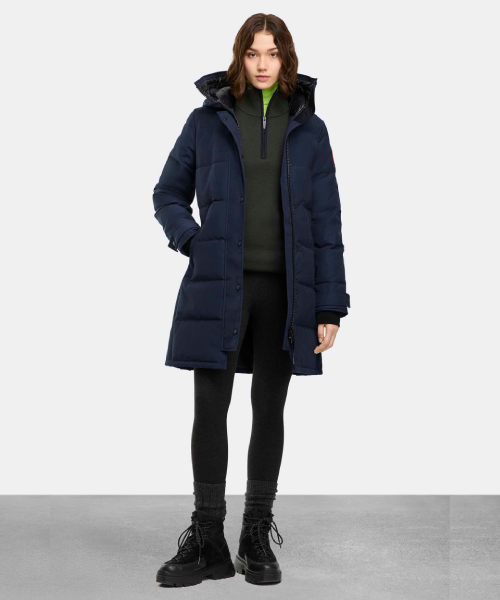
Available at: Canada Goose (canadagoose.com), Selfridges, John Lewis, Nordstrom
Best for: Those who want the most functional cold-weather parka that will perform for a decade.
Canada Goose’s reputation is backed by genuine performance specifications — the fill power rating of the down, the Arctic Tech fabric’s wind and water resistance, and the construction for genuinely extreme cold are documented and verifiable rather than simply claimed. The Shelburne parka is the most versatile silhouette in the women’s range: the length is flattering across most proportions, the styling is clean enough for urban contexts, and the functional performance is appropriate for genuinely cold winter conditions.
The controversy around Canada Goose’s use of animal materials is a genuine consideration for some buyers. The brand has moved toward more ethical sourcing standards, but for those who prefer to avoid the question entirely, alternatives like Moose Knuckles and Arc’teryx’s down-free options are worth exploring.
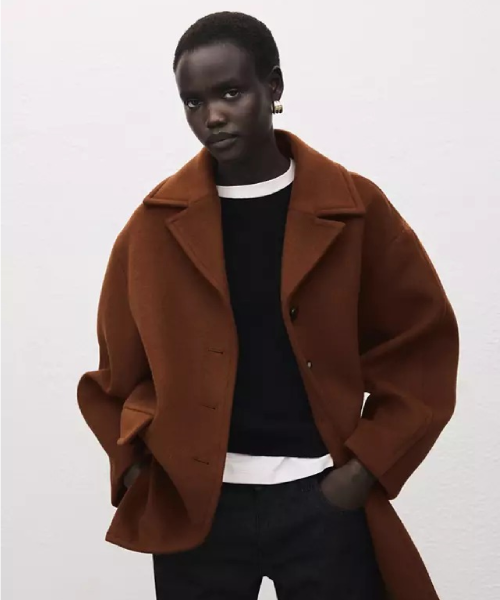
Available at: Mango (mango.com), ASOS, in stores
Best for: Those who want a classic longline coat at genuinely accessible prices.
Mango’s longline wool blend coats consistently represent the best accessible quality in the category below £100. The fabric has enough structure to hold the silhouette rather than collapsing, the colourways are neutral and flattering, and the cut is classic enough to avoid dating within two seasons. These aren’t coats for a decade — but for two to three years of regular wear at this price, Mango delivers significantly above what the price suggests.
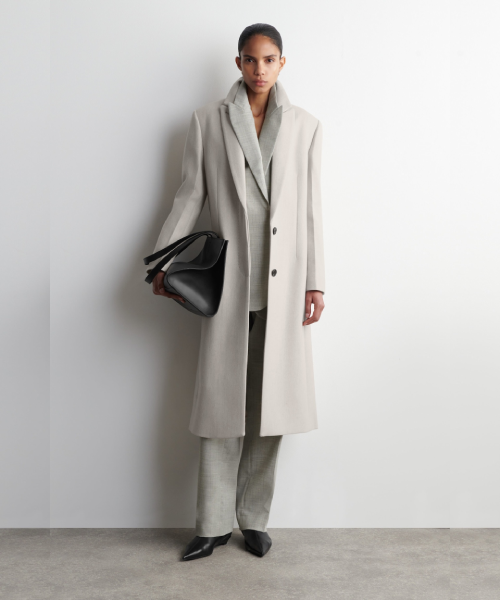
Available at: Cos (cosstores.com), in stores
Best for: Those who want a precise, architectural coat silhouette in a minimalist aesthetic.
Cos produces tailored outerwear with a specific architectural quality — clean lines, precise construction, and a design sensibility that sits between fashion and function without fully committing to either. The tailored wool coat in black or grey is the recommendation: the precision of the cut and the quality of the wool blend produce a coat that reads as significantly more expensive than it is.
Conclusion
The coat is the wardrobe investment with the highest visible daily return — and it rewards buying well more clearly than almost any other single piece. Max Mara for the definitive investment that lasts decades. Canada Goose for the functional parka done as well as it can be done. Arket for accessible quality at mid-range prices. & Other Stories for current design at considerate prices. Mango for the accessible classic. And Cos for clean architectural tailoring at mid-range prices. Buy neutral — camel, grey, navy, black — in the best fabric quality you can access. The coat worn daily for six months of the year across five years earns its price better than almost anything else you could spend the same money on.

