

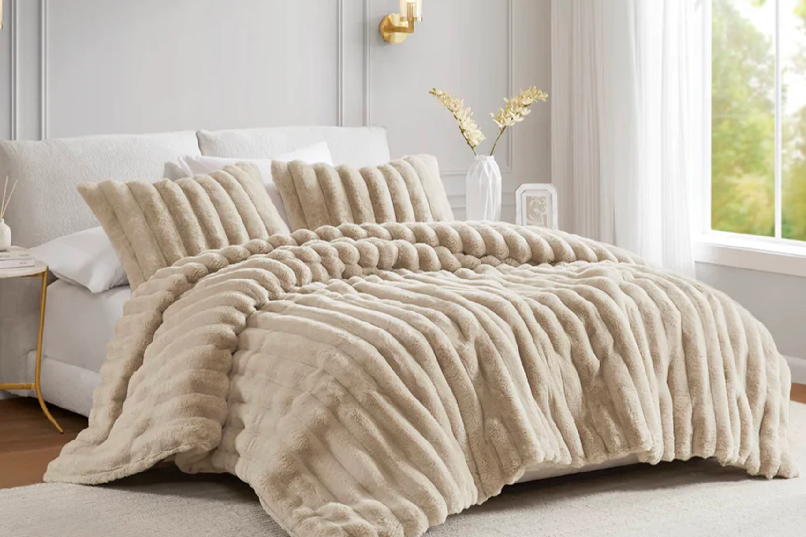
Sleep quality is affected by more variables than most people account for. The mattress gets all the attention and the credit. The bedding — the sheets against the skin, the duvet regulating temperature through the night, the pillow determining head and neck position — receives far less deliberate attention despite being in direct contact with the body for eight hours every night.
The specific change that most reliably improves morning quality without requiring a mattress replacement: upgrading the bedding. The right sheets and the right duvet for the specific sleep temperature preferences produces measurable improvement in sleep continuity — and the investment is significantly smaller than the mattress conversation suggests.
What Makes Bedding Worth Buying
Thread count is not the quality metric it’s marketed as. Thread count measures the number of threads per square inch — a metric that manufacturers have inflated by counting individual plies within twisted threads. The number tells you almost nothing useful about the quality of the cotton, the weave, or how the sheet will feel after twenty washes. The material and the weave are the specifications that matter.
The weave determines breathability. Percale — the plain one-over-one-under weave — is crisp, cool, and breathable. It suits warm sleepers and warm climates. Sateen — a four-over-one-under weave — produces a smoother, slightly silkier surface with a subtle sheen. It’s warmer and suits cool sleepers. Neither is superior — the choice depends on sleep temperature.
Duvet fill material determines temperature regulation. Natural fills — down, wool, silk — regulate temperature more actively than synthetic fills because the natural fibres respond to body temperature changes. Synthetic fills provide consistent warmth regardless of what the body’s temperature is doing, which suits some sleepers and produces the overnight warmth accumulation that others find disruptive.
The Best Bedding Worth Buying
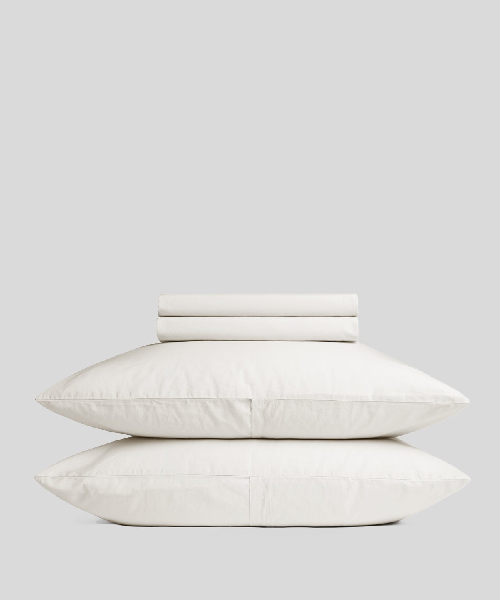
Available at: Parachute Home (parachutehome.com), in Parachute retail stores
Best for: Warm sleepers, those who want sheets that improve with every wash rather than degrading.
Parachute’s percale sheets are the bedding purchase I’ve recommended to more people than any other single product — the quality differential from standard department store cotton is immediately apparent and becomes more apparent over time. The long-staple cotton in a percale weave produces the specific combination of breathability, crispness, and softness that makes the sheets feel genuinely good to sleep in rather than simply adequate.
The improving-with-washing quality is the specific thing that sets Parachute apart from alternatives. Most bedding starts at its best and gradually declines with washing. Parachute percale starts good and gets noticeably better — the cotton fibres relax and soften with each wash in a way that produces a genuinely luxurious texture by wash fifteen that wasn’t there at wash one. At thirty-plus washes, they’re at their best.
After three years of weekly washing on my own Parachute set: no yellowing, no pilling, no elasticity loss in the fitted sheet corners, and the fabric is softer than it was when new. The specific trajectory — getting better rather than worse — is the quality that makes the investment genuinely worthwhile.
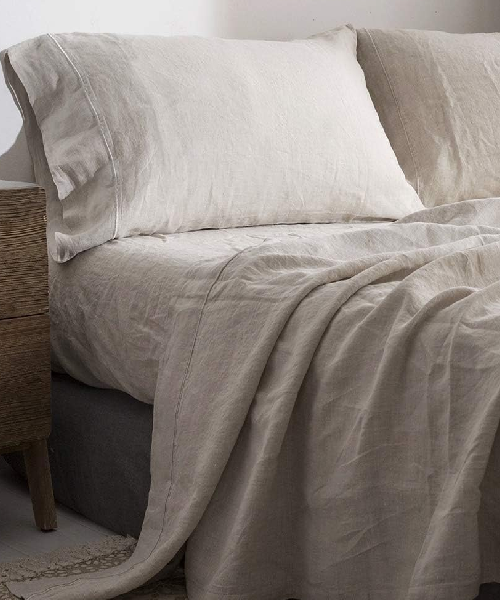
Available at: The Linen Works (thelinenworks.co.uk)
Best for: Those who prefer the textured, very breathable quality of pure linen and sleep warm.
Linen is a more breathable material than cotton — the fibre structure allows more air movement, making it the specific choice for warm sleepers and warm climates. The Linen Works produces pure linen bedding in a stonewashed finish that removes the initial stiffness that unprocessed linen has and produces a relaxed, lived-in aesthetic from day one. The characteristic linen texture reads as considered and effortless — the bedroom aesthetic that requires no styling.
Pure linen is more expensive than equivalent cotton and requires specific care (cool machine wash, line dry rather than tumble dry) to maintain its quality. For warm sleepers who’ve tried cotton percale and found it insufficiently cool, linen is the material worth trying.
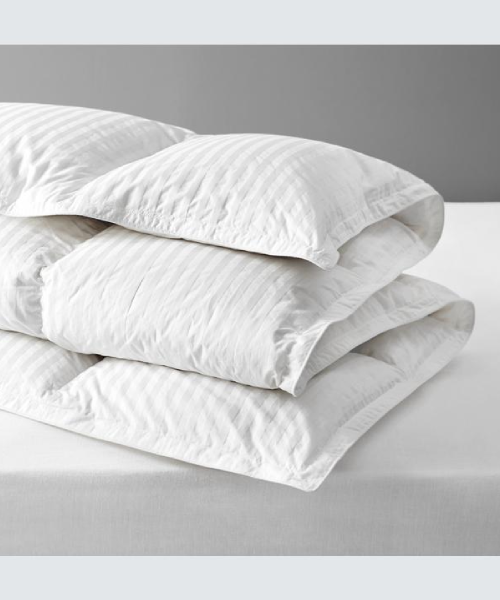
Available at: John Lewis (johnlewis.com), John Lewis stores
Best for: Cool sleepers who want the warmth-to-weight ratio of genuine down and are not allergic to animal materials.
Down is the fill material that most efficient warmth-to-weight ratio — it traps air effectively, providing significant warmth for a low fill weight, which is what produces the characteristic lightness of a quality down duvet despite its warmth. John Lewis’s Hungarian Goose Down range uses fill power ratings (the volume one ounce of down occupies) that indicate quality — 600 fill power and above is the quality threshold worth knowing.
The specific John Lewis advantage in this category: the sourcing transparency is above average for the price tier, and the John Lewis returns process for duvets is straightforward if the fill quality isn’t as expected.
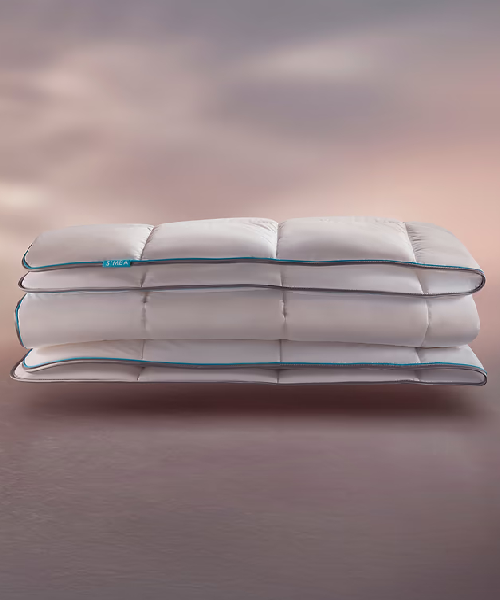
Available at: Simba Sleep (simbasleep.com)
Best for: Couples with different temperature preferences, warm sleepers who want technology-based temperature management.
Simba’s Hybrid Duvet uses their Stratos phase-change material — a polymer microfibre that absorbs heat when body temperature rises above a set point and releases it when body temperature drops — combined with natural fill for comfort. The active temperature management rather than passive insulation produces a duvet that responds to the sleeper’s temperature rather than maintaining a fixed warmth level.
For couples where one partner sleeps warm and the other cold, the Simba Hybrid’s responsive temperature management is the specific solution that addresses both needs from the same duvet rather than requiring separate bedding negotiations.
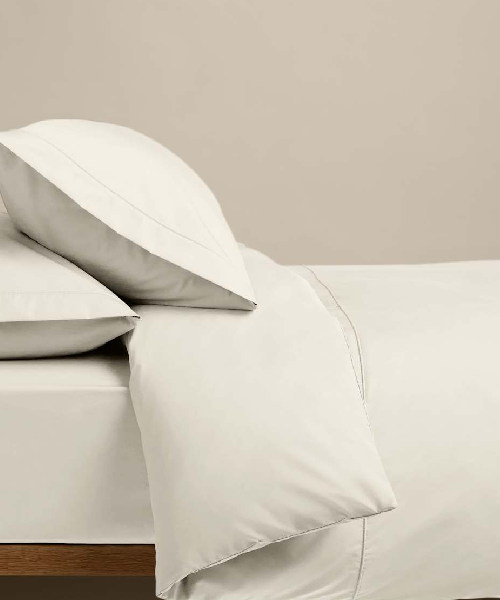
Available at: Marks & Spencer (marksandspencer.com), in stores
Best for: Those who want quality cotton bedding at accessible prices without the premium brand premium.
M&S’s Egyptian Cotton range consistently delivers above what the price suggests in cotton quality and construction. The sheets hold their shape across regular washing at a level that most alternatives at similar prices don’t maintain across a full year. For those who want quality cotton bedding without the Parachute or Linen Works investment, M&S provides the most reliable accessible quality in the UK market.
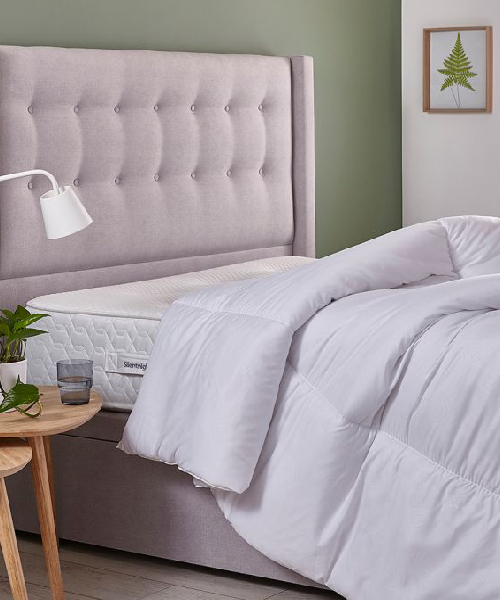
Available at: Silentnight (silentnight.co.uk), Amazon, John Lewis, Argos
Best for: Those who want a quality hypoallergenic duvet at a genuinely accessible price with sustainability credentials.
Silentnight’s Eco Comfort duvet uses recycled polyester fill from plastic bottles — the sustainability claim is documented with specific recycling volumes — at a price that makes quality hypoallergenic bedding accessible. For those who need synthetic fill (allergy to down or wool) and want accessible pricing with above-average quality, Silentnight Eco Comfort is the recommendation.
Conclusion
Bedding rewards investment through nightly returns across years of use. Parachute percale for the investment sheets that improve with washing. The Linen Works for pure linen that suits warm sleepers specifically. John Lewis Hungarian Goose Down for the warmth-to-weight excellence of quality down. Simba Hybrid for temperature management technology. M&S Egyptian Cotton for accessible quality. And Silentnight Eco Comfort for the sustainable hypoallergenic option. Start with the sheets — the improvement from quality sheets is immediate and felt every night. Then the duvet — choose the fill type for your specific sleep temperature. These two changes produce more improvement in sleep quality than almost any other bedroom investment of comparable cost.

