

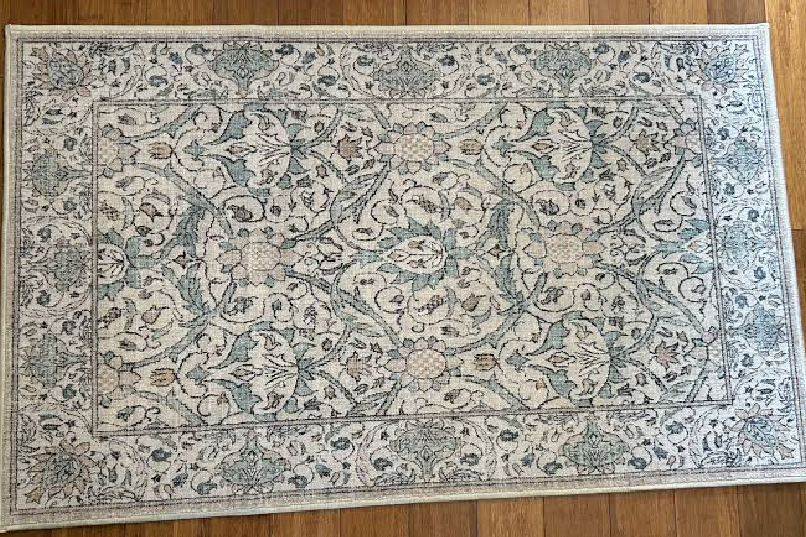
The rug is the home decor purchase with the most consistent transformative power per pound spent. A bare, hard-floored room and the same room with the right rug are different spaces — the rug adds warmth, texture, sound dampening, definition of the seating area, and colour or pattern that hard floors don’t provide. It’s also the purchase most often gotten wrong in terms of size, which produces the specific visual problem of a rug that looks incidental rather than intentional.
The rug that looks right in a room is almost always larger than the instinctive choice. This is the single most consistent mistake in rug buying, and it’s worth understanding before making any rug purchase decision.
The Size Rule That Changes Everything
The standard guidance for living room rugs: all four legs of all seating pieces in the arrangement should sit on the rug, or all front legs should sit on the rug. A rug under which only the coffee table sits is a rug that reads as too small regardless of its inherent quality. The furniture looks like it’s floating around rather than anchored to a defined space.
For a standard living room sofa and two chairs arrangement, this typically requires a 200x300cm rug minimum. Most people buying their first quality rug buy a 160x230cm and discover within a week that it reads as too small.
For dining rooms: the rug should extend at least 60cm beyond the table edge on all sides — enough for dining chairs to be pulled out without leaving the rug. A 200x300cm or 240x340cm rug suits most 6-seater dining tables.
Rug Materials — What Makes The Difference
Wool is the quality material reference for rugs — dense, resilient, naturally stain-resistant (lanolin in wool fibre repels liquid before it sets), warm underfoot, and developing the specific wear patina that makes a room feel lived-in rather than staged. Wool rugs last decades with appropriate care.
Natural fibres (jute, sisal, seagrass) are the sustainable, textured alternatives to wool — more affordable, with a distinctive natural aesthetic, but less soft underfoot and more difficult to clean than wool. Suitable for lower-traffic areas and spaces where bare foot comfort is less of a priority.
Synthetic (polypropylene, polyester) rugs provide the most accessible price point and the best stain resistance — genuinely suited for high-traffic areas and households with young children and animals where accidents are a certainty rather than a possibility. The trade-off is a less luxurious feel underfoot and a tendency to flatten in high-traffic areas within a few years.
The Best Rugs Worth Buying
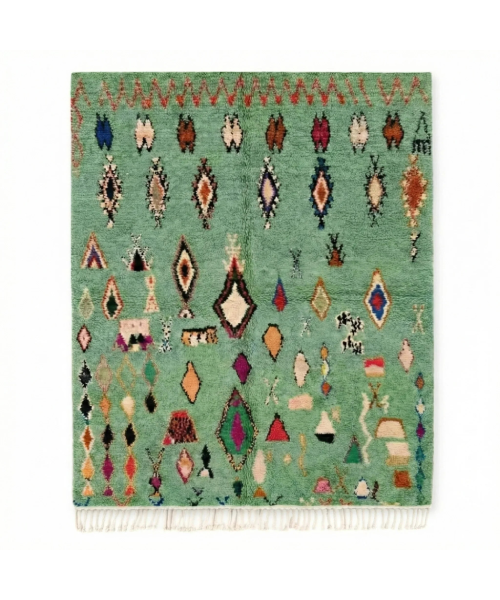
Available at: Etsy (numerous independent Moroccan sellers), Atlas Showroom, specialist rug retailers
Best for: Those who want a genuinely handwoven, unique textile that improves with age and tells a story.
The authentic Beni Ourain rug — handwoven by Berber women in the Atlas Mountains of Morocco using natural, undyed wool — is the rug investment that produces the most distinctively beautiful result in a living room. The cream/ivory wool with irregular geometric patterns in natural brown or black is simultaneously neutral enough to suit any colour scheme and distinctive enough to read as a considered, personal choice rather than a generic alternative.
Each authentic Beni Ourain is unique — the slight irregularities in pattern and pile height are the evidence of handweaving rather than manufacturing. The specific wool develops a patina with footfall over years that produces a softer, more beautiful appearance than on day one.
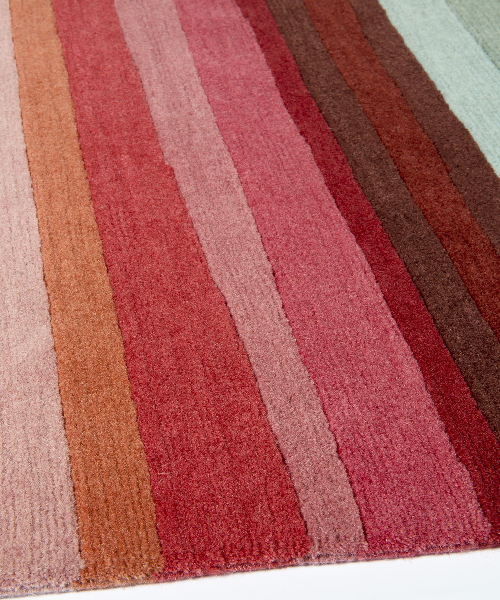
Available at: The Rug Company (therugcompany.com), in their London showroom
Best for: Those who want a quality British-designed wool rug with distinctive pattern and colour.
The Rug Company collaborates with independent artists and designers to produce rugs that read as art for the floor — the colour precision, the pattern originality, and the wool quality are all above the standard accessible rug market. The flatweave designs particularly are appropriate for rooms where a pile rug would create visual competition with other textured elements.
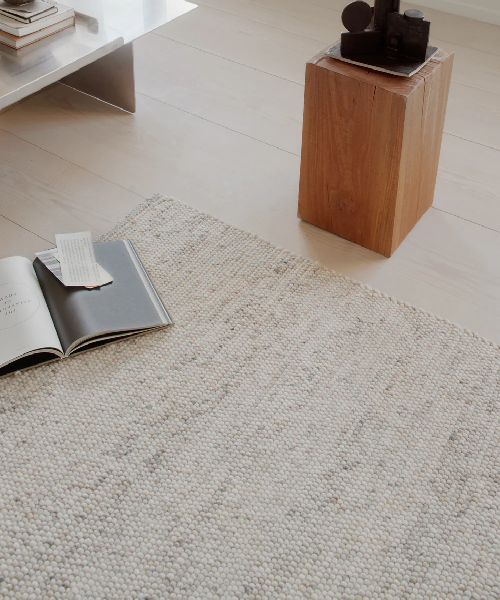
Available at: Linie Design (liniedesign.com), Nordic House, Hus and Hem
Best for: Those who want Scandinavian-aesthetic wool rugs at mid-range prices.
Linie Design is the Danish rug brand producing wool rugs in the specific muted, considered colour palette that suits contemporary Scandinavian-influenced interiors. The wool quality is above what the price suggests and the designs are distinctive without being trend-specific — they read as considered in five years as today.
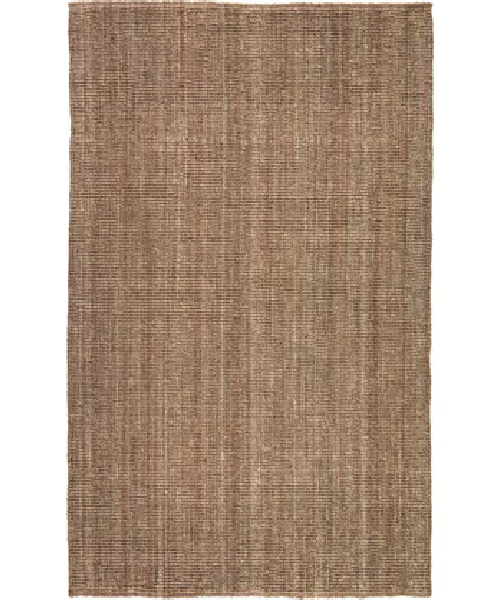
Available at: IKEA (ikea.com), IKEA stores
Best for: Those who want a natural jute rug at the most accessible price for layering or lower-traffic spaces.
The IKEA LOHALS is the natural fibre rug recommendation for those who want the textured, natural aesthetic of jute at genuinely accessible prices. Used as the base layer under a smaller, softer rug (the “rug on a rug” approach that layers texture), it produces more visual interest than either rug alone.
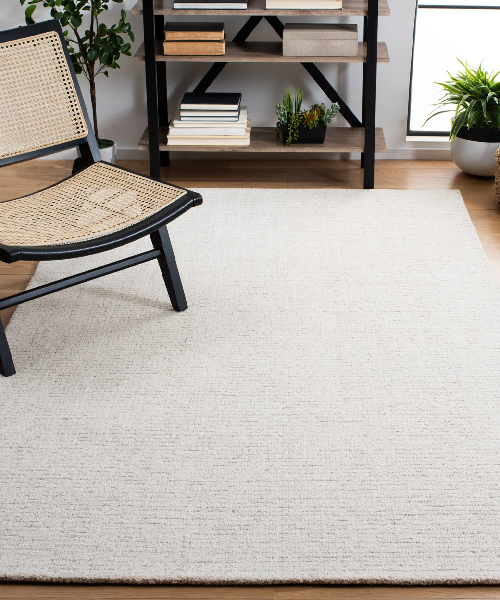
Available at: Wayfair (wayfair.co.uk)
Best for: Those who want wool blend quality at the most accessible price above purely synthetic alternatives.
Wayfair’s House Additions own-brand wool blend rugs represent the most accessible entry into quality rug materials above purely synthetic alternatives. The wool content (typically 50–80% wool with synthetic supplementation) provides the warmth and resilience of wool at prices that make the correct, larger size financially accessible.
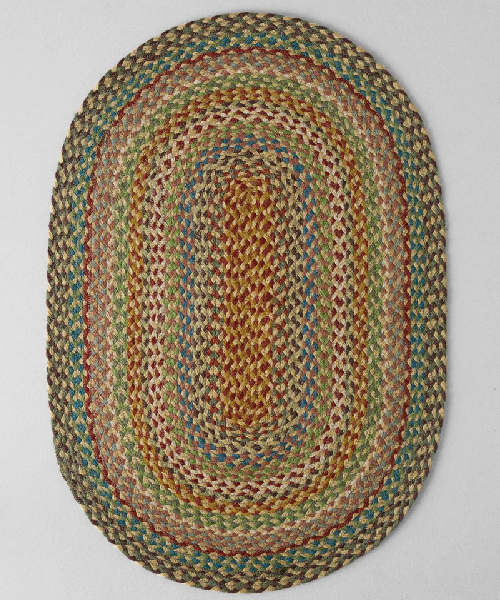
Available at: Toast (toa.st), Toast stores
Best for: Those who want a subtle, beautifully made wool rug in the specific palette that suits the British aesthetic.
Toast produces home textiles in the specific understated, natural-material palette that the British lifestyle aesthetic is built around. The wool rugs are made in Nepal using naturally dyed wool in the washed-out, considered colours — ochre, slate, sage, warm terracotta — that work with most British interior directions without demanding a specific colour scheme around them.
Conclusion
The rug purchase that changes a room is the one bought at the correct size with the right material for the specific use. Beni Ourain for the investment handwoven textile that improves with age. The Rug Company for British-designed quality at the premium accessible tier. Linie Design for Scandinavian aesthetic in genuine wool. IKEA LOHALS for natural jute at the most accessible price. Wayfair House Additions for wool blend quality at mid-range pricing. And Toast for the British understated aesthetic in natural materials. Whatever you buy — buy larger than the instinct suggests, choose material appropriate for the traffic level and household, and place it so that the furniture sits on rather than around it.

