

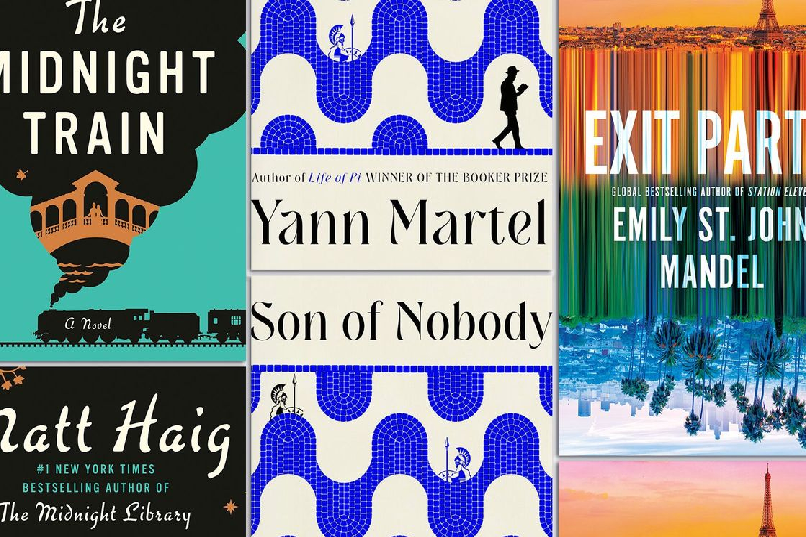
Book recommendations are inherently personal — the book that changes one reader’s perspective reads as ordinary to another whose perspective was already aligned with its conclusions. The books below earn their place not through critical consensus alone but through the specific quality of producing a lasting change in how the reader thinks about something, whether the subject is the world, other people, or the reader themselves.
These are books I’ve read and returned to, recommended to people in specific situations, and found referenced consistently by people whose thinking I find interesting. They’re not a comprehensive survey of recent publishing — they’re the books worth your time specifically.
Why Reading Remains The Highest-Return Investment Of Attention
A book represents the distilled thinking of an intelligent person — often the most important thinking of their career — available for the price of a coffee and six to twelve hours of attention. The information density and the depth of engagement that reading produces is not replicable by any other media format. Podcasts and videos produce exposure to ideas; books produce understanding of them.
The reading habit that most changes the quality of thinking is not high volume — it’s depth. Reading fifty books per year with shallow retention produces less lasting change than reading fifteen books per year with genuine engagement, note-taking, and reflection. The book finished is not the unit of value; the idea understood and applied is.
The Best Books Worth Reading
Available at: Any bookshop, Amazon
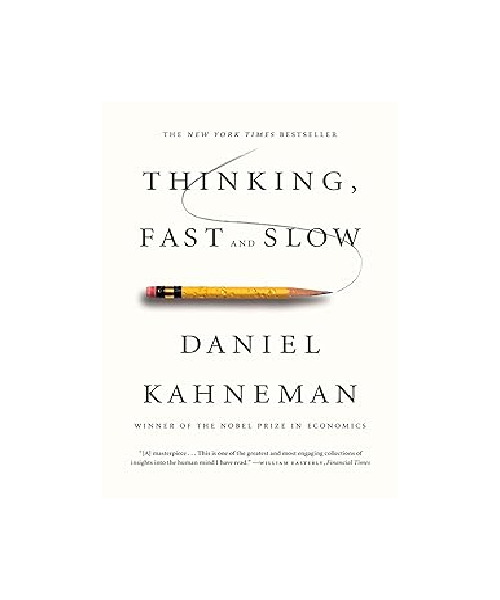
Best for: Those who want to understand how they actually make decisions versus how they think they make them.
Kahneman’s summary of decades of research into cognitive psychology is the book that most changes how the reader understands their own thinking. The distinction between System 1 (fast, automatic, intuitive thinking) and System 2 (slow, deliberate, effortful thinking) is the framework that makes visible the specific ways that human reasoning is consistently and predictably biased.
The book is long and dense in places — reading it as a linear text produces good results; returning to specific chapters on the biases most relevant to current decisions produces better ones. After reading Thinking, Fast and Slow, the anchoring effect, the availability heuristic, and the planning fallacy become visible in daily decisions in a way that genuinely improves the quality of those decisions.
Available at: Any bookshop, Amazon
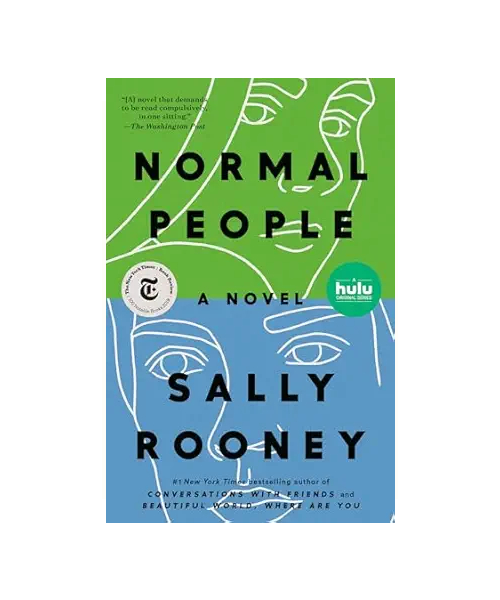
Best for: Those who want a contemporary novel about relationships that reads as genuinely true rather than constructed.
Sally Rooney’s Normal People is the contemporary novel that most convincingly renders the interior experience of young adult relationships — the specific way that what is felt and what is said are different things, the communication failures that arise from assuming the other person’s internal state, the power dynamics within relationships that nominally exist between equals.
The prose style is the most discussed aspect of Rooney’s writing — minimal punctuation in dialogue, close third-person perspective, a flat affect that renders dramatic events in the same tone as mundane ones, producing a specific reading experience that feels like inhabiting rather than observing. The novel works regardless of whether the reader’s age or experience maps to the protagonists.
Available at: Any bookshop, Amazon
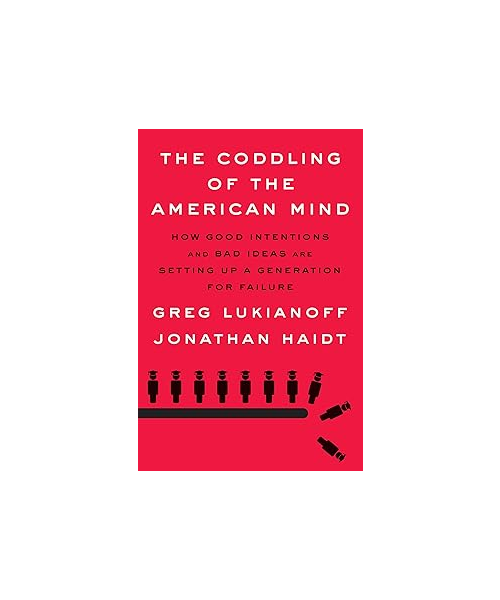
Best for: Those who want a serious, evidence-based argument about the psychological trends affecting young people and institutions.
Lukianoff and Haidt’s examination of three “great untruths” — that life should be comfortable, that emotional reasoning is reliable, and that the world is divided into good and bad people — is one of the most useful frameworks for understanding several contemporary cultural patterns simultaneously. The argument is made from evidence rather than ideology and includes perspectives that neither political side finds entirely comfortable, which is the specific quality of useful analysis rather than partisan argumentation.
Whether you agree with the overall thesis or not, the cognitive behavioural therapy framework that anchors the first section of the book is practically useful for understanding how specific thinking patterns produce specific emotional outcomes.
Available at: Any bookshop, Amazon
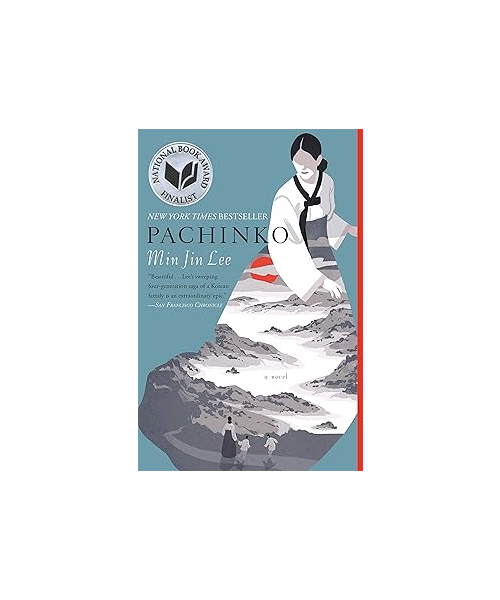
Best for: Those who want a novel that covers a century of Korean and Korean-Japanese history through intimate family portraiture.
Pachinko follows four generations of a Korean family from 1910 through 1989, across Korea and Japan, through the specific historical events that shaped both countries and the specific personal choices that shape each family member’s life. The novel is one of those rare books that expands the reader’s sense of what a human life contains — the range of experience, the weight of historical circumstance, and the persistence of character across generations that feels both specific and universal.
It’s a long novel. The pace is deliberate. The reward is proportionate to the investment of time and attention.
Available at: Any bookshop, Amazon
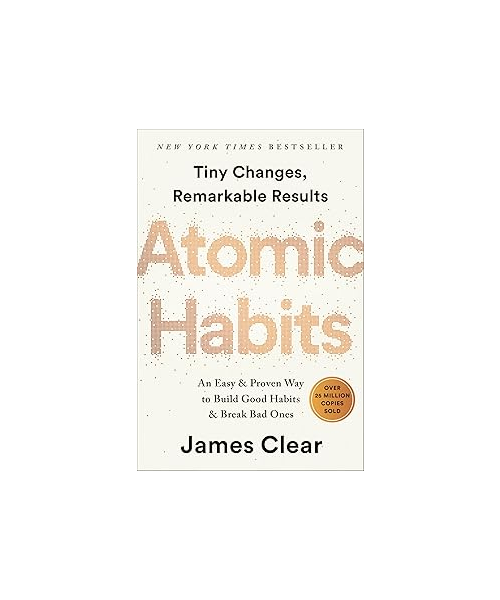
Best for: Those who want a practical, evidence-based framework for building habits that stick and breaking those that don’t.
Atomic Habits is the habit formation book that earns its recommendation through the quality of its framework rather than through novelty — Clear synthesises existing behavioural psychology research into a practical four-law system that applies to the full range of habitual behaviour. The “make it obvious, make it attractive, make it easy, make it satisfying” framework for habit building and its inverse for habit breaking is simple enough to remember and specific enough to apply.
The book is worth reading once and then returning to the specific chapters most relevant to current habit-building goals. The insight that behaviour change requires identity change rather than simply outcome targeting is the idea that most distinguishes this from other productivity books.
Available at: Any bookshop, Amazon
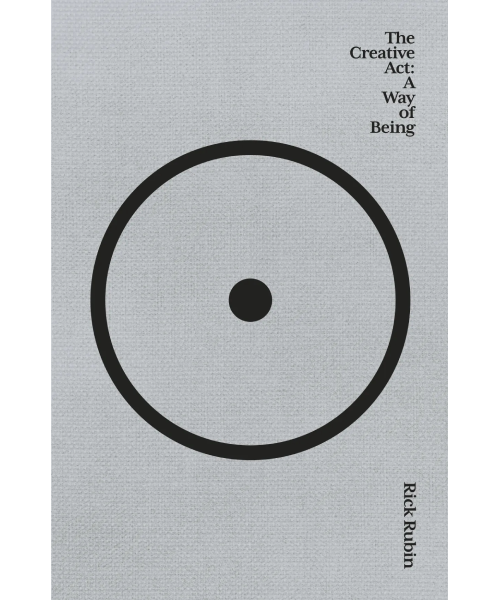
Best for: Those who create anything — writing, art, music, business — and want a meditative framework for understanding the creative process.
Rick Rubin’s first book is not a how-to guide in the conventional sense — it doesn’t provide a system or a method. It provides a perspective on the creative process that reorients how the reader thinks about where creative work comes from, what it’s for, and how to relate to the uncertainty that creative work necessarily involves. Each short chapter is a reflection on an aspect of creativity that rewards slow reading and returning to over time rather than linear consumption.
For those who make things — in any medium or domain — the book provides a framework for understanding creative blocks, creative breakthroughs, and the relationship between the creator and the created that is genuinely useful across different creative contexts.
Available at: Any bookshop, Amazon
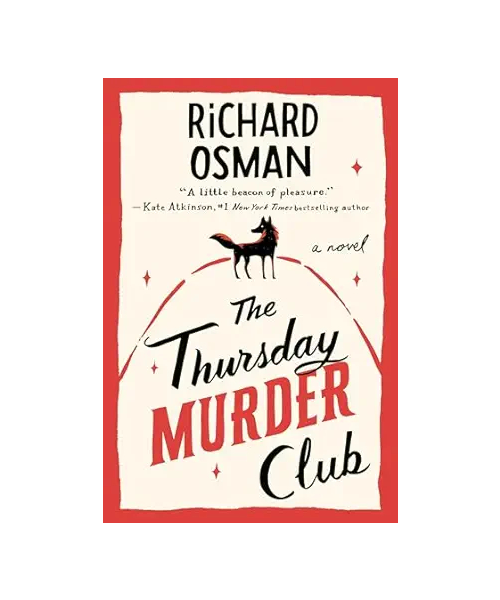
Best for: Those who want an exceptionally well-written British murder mystery with characters they’ll want to spend time with.
Richard Osman’s debut novel is the book that earns the “if you only read one popular novel this year” recommendation from me for those who enjoy crime fiction. The four elderly residents of a retirement community who meet weekly to examine unsolved murders and find themselves involved in a real one is the setup. The execution — the writing quality, the character depth, the plotting, and the specific combination of warmth and genuine tension — is above most crime fiction at any level of literary ambition.
The series extends across four books at the time of writing, each maintaining the quality of the first. For those who want a series to commit to, The Thursday Murder Club is the recommendation.
How To Actually Finish Books
The reading habit requires the same friction reduction as any other habit. A book by the bed rather than a phone charger produces more reading than a phone charger and a book on a shelf. Reading at a specific time — morning coffee, before sleep, the commute — rather than whenever there’s spare time produces more consistent reading than the intention without the schedule.
Abandoning books that aren’t working is also a reading practice rather than a failure. The book read to the end out of obligation rather than engagement produces little lasting value. The book put down at fifty pages because it isn’t working for you specifically, freeing the reading time for one that does, produces more value across a year’s reading.
Conclusion
The books worth reading are those that either expand the reader’s understanding of how the world works (Kahneman, Lukianoff and Haidt), produce the specific genuine engagement of great fiction (Rooney, Lee, Osman), or provide practical frameworks that change how the reader approaches their own life (Clear, Rubin). These are not the only books worth reading — they’re the starting points from which the specific next book will be obvious once the first is finished. Read consistently rather than voluminously. Engage deeply rather than broadly. Return to the books that produced genuine change. The library of twelve books genuinely understood produces more lasting value than the library of one hundred books skimmed.

