

Travel accessories are the category with the widest range between genuinely transformative and completely unnecessary. The neck pillow that makes a long-haul flight genuinely more comfortable versus the neck pillow that looks like it should and doesn’t. The noise-cancelling headphones that change the flight experience fundamentally versus the compression socks that do their compression job and nothing more interesting.
The travel accessories worth buying are those that address a specific, recurring friction point in travel — the departure morning phone-charger search, the four-hour red-eye with no sleep, the fifteen-minute queue at customs that becomes manageable with downloaded entertainment. Specificity is the quality that distinguishes useful travel accessories from aspirational kit.
The Best Travel Accessories Worth Buying
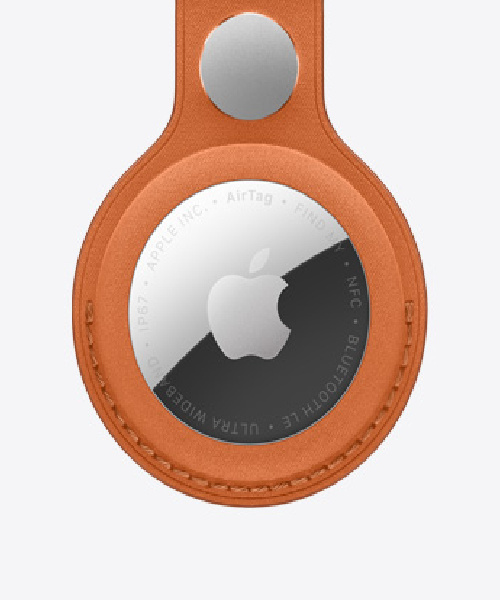
Available at: Apple (apple.com), John Lewis, Currys, Amazon
Best for: Anyone who checks luggage and wants to know where it is in real-time through the baggage handling process.
The AirTag is the travel accessory that has become standard equipment for those who check bags regularly — the small coin-sized tracker placed inside checked luggage that provides real-time location through Apple’s Find My network. The specific value: knowing your bag is at the destination when the belt is delayed (common), knowing it’s been routed to a different location when the belt is empty (less common but far more stressful without the information), and the specific peace of mind of tracking during long transits.
The Airtag doesn’t prevent bags from being lost — it provides the information that makes resolving the situation significantly faster. The airline that knows exactly where a misrouted bag is resolves the situation faster than the airline searching without information. The traveller who can tell the baggage claim desk exactly where their bag is gets it back faster.
At £29 per tag, a tag in every piece of checked luggage is the travel accessory most clearly justified by the specific stress it prevents on the occasions when bags don’t arrive as expected.
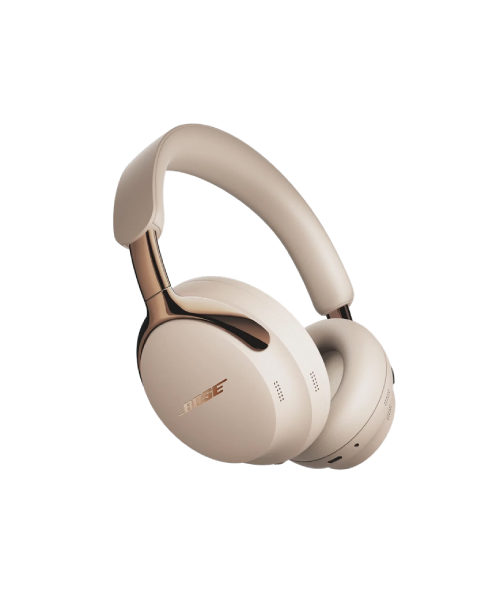
Available at: Bose (bose.co.uk), John Lewis, Currys, Amazon
Best for: Those who take long-haul flights regularly and want noise cancellation that changes the flight experience.
The Bose QuietComfort range has competed with Sony’s WH-1000XM series for the top noise cancellation position in independent reviews for several years, with the QuietComfort Ultra currently earning the position of best-in-class for long-haul flight-specific use. The specific differentiation from the Sony: the Bose produces better passive noise attenuation (the noise reduction from the physical ear cup design before the active cancellation is activated), which means the active cancellation system starts from a lower ambient noise floor and produces quieter total experience.
The 24-hour battery life covers most long-haul routes with margin. The on-ear cushion quality makes the headphones wearable for extended periods without the pressure discomfort that tighter-clamping alternatives produce over four to six hours.
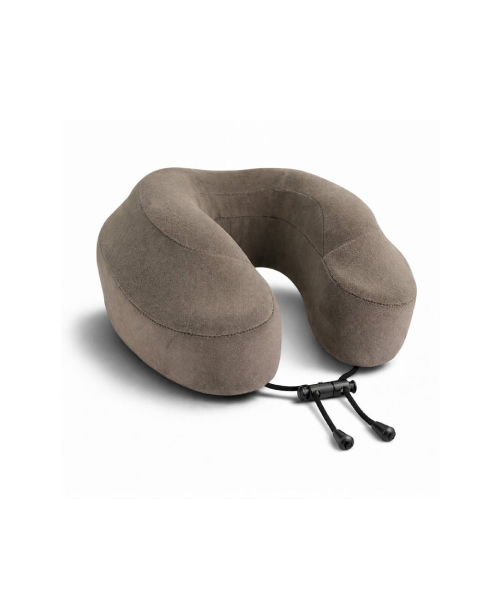
Available at: Cabeau (cabeau.com), Amazon, travel retailers
Best for: Those who attempt to sleep on planes and trains and want a neck pillow that actually maintains head position.
Neck pillows are the travel accessory most often bought based on appearance and least often evaluated based on what they actually produce — which is head support in the specific position that allows sleep without the neck snap that wakes most travellers attempting to sleep sitting up.
The Cabeau Evolution Classic addresses the specific failure mode of standard U-shaped neck pillows: the gap at the back that allows the head to fall backward. The full-wrap design with adjustable toggle at the front maintains the head in a supported forward position rather than allowing it to fall to the side or backward when sleep relaxes the neck muscles. The memory foam construction maintains its shape and support across years of compression travel storage.
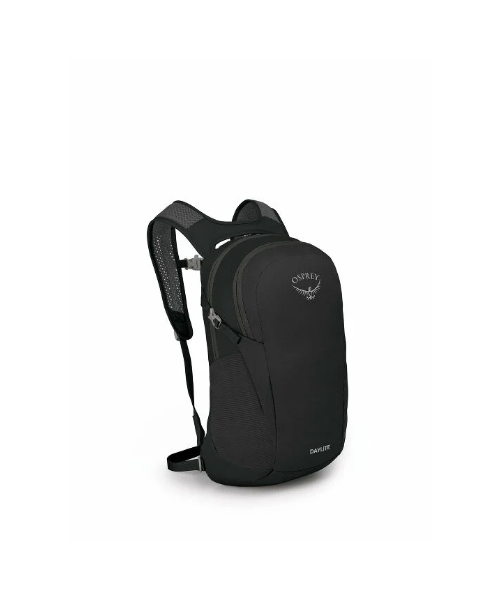
Available at: Osprey (osprey.com), Amazon, outdoor retailers
Best for: A daypack that carries everything needed for a day’s sightseeing comfortably and stylishly.
The Osprey Daylite is the day trip backpack recommendation for those who want a sightseeing bag that’s comfortable for a full day of walking without the bulk of a hiking pack or the inadequacy of a fashion backpack. The 13-litre capacity carries water, snacks, a light layer, a camera, a guidebook, and the daily essentials without the weight or the profile that larger packs produce.
The ventilated back panel that Osprey builds into even their smallest packs prevents the back contact sweat that unventilated packs produce during active sightseeing in warm climates — the specific discomfort that makes the heavy-use day’s final hours uncomfortable.
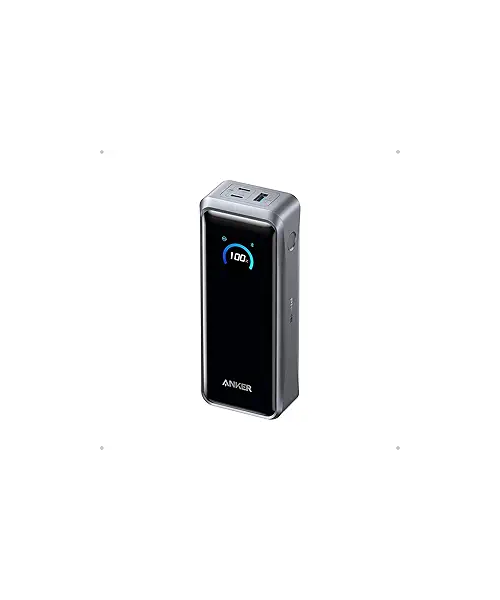
Available at: Anker (anker.com), Amazon
Best for: Those who use their phone heavily during travel and want multiple full charges without access to power outlets.
The specific travel battery requirement is different from daily life use — travel days can involve twelve to sixteen hours of navigation, translation, photography, and communication use without reliable access to charging. The Anker PowerCore 26800’s capacity provides approximately six full iPhone charges or three full iPad charges, covering most multi-day travel scenarios where power access is limited.
The dual USB-A and USB-C outputs allow charging two devices simultaneously — phone and headphones on a long flight, phone and camera battery on a day trip.
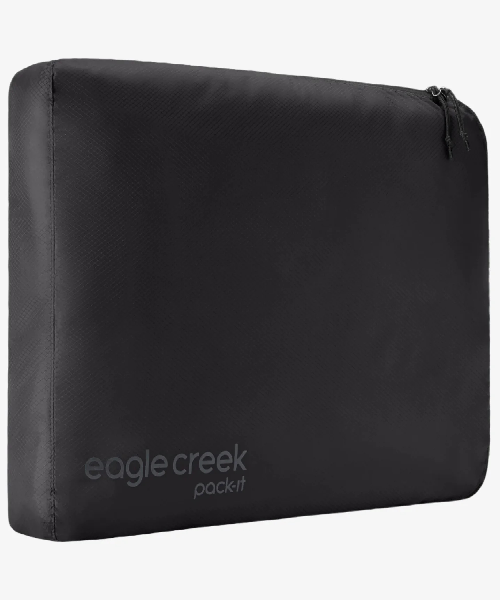
Available at: Eagle Creek (eaglecreek.com), REI, Amazon
Best for: Those who want to organise luggage by category and access specific items without unpacking the full bag.
Packing cubes are the travel accessory that produces the clearest before-and-after difference in the organisation of packed luggage. The bag before packing cubes: clothes loose, every item buried under other items, the specific sock-hunting experience that delays every morning. The bag after packing cubes: shirts in one cube, trousers in another, underwear and socks in a third — each accessible without disturbing the rest.
Eagle Creek’s Specter fabric (a lightweight nylon that weighs almost nothing itself) produces the organisation benefit without the weight addition that heavier cube materials produce.

Available at: Any bookshop, Amazon, Rick Steves’ website
Best for: Those travelling in Europe who want opinionated, practically useful, regularly updated travel guidance.
Rick Steves’ Europe guidebooks are the travel guide recommendation because the author’s specifically opinionated approach — these are the things worth doing, these are the things not worth the time or money, here is exactly what the entry process looks like — produces practical guidance that broader guidebooks with equal coverage of every option don’t provide. The value judgements are the specific quality that makes a guide useful rather than comprehensive.
The Steves’ philosophy (travel by public transport, stay in locally owned accommodation, eat where locals eat, prioritise experience over efficiency) is a specific travel approach that not everyone shares — but even those who don’t subscribe to it fully find the specific, opinionated recommendations more useful than the even-handed coverage that travel encyclopaedias provide.
Conclusion
Travel accessories earn their place through the specific friction they remove from specific, recurring travel experiences. AirTag for the peace of mind that tracked checked luggage provides. Bose QuietComfort Ultra for the flight experience that noise cancellation fundamentally changes. Cabeau neck pillow for the sleep support that actually works. Osprey Daylite for comfortable sightseeing without weight or bulk. Anker PowerCore for power independence during long travel days. Eagle Creek packing cubes for the organisation that makes every morning at the destination easier. And Rick Steves’ guidebooks for opinionated, practical European travel guidance. Whatever you buy — buy for the specific friction points in your specific travel style rather than the general travel accessory list. The accessory that addresses a pain point you actually experience on every trip is the one that earns its place in the bag.

