

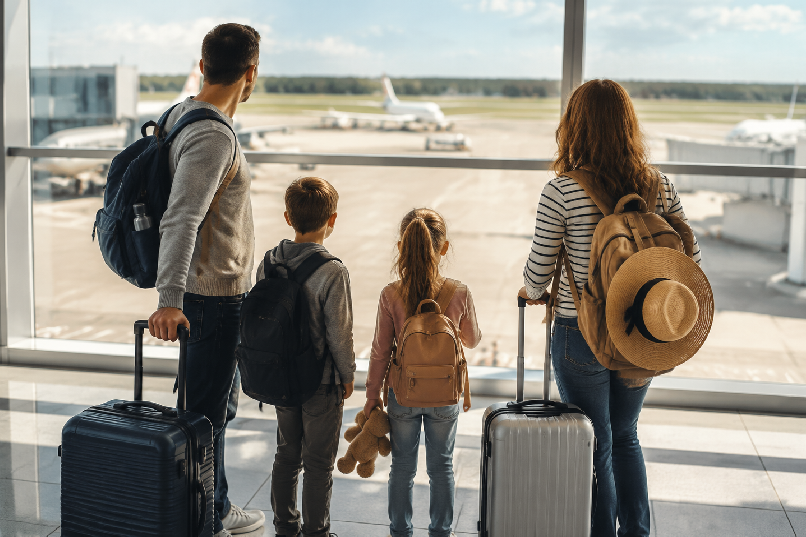
Family travel is the specific travel format that most people find simultaneously the most rewarding and the most logistically demanding. The memory that a child carries from a family trip — the specific morning at the beach, the train journey through mountains, the market where they tried something new — is the specific memory that shapes how that child thinks about the world. The experience is worth the logistics.
The logistics are real. The family travel day that goes well is the family travel day that was prepared for specifically — the snacks in the bag before the flight, the entertainment that doesn’t require wifi, the child carrier that doesn’t require checking a pushchair, the accommodation that has a kitchen and a second bedroom so that adult evenings are recoverable after children’s bedtime.
What Makes Family Travel Work
Preparation over spontaneity. The spontaneous travel approach that works for adults without children requires adjustment for travel with children. Not elimination of flexibility — the best family travel days are often the unplanned ones — but preparation of the infrastructure that allows flexibility without crisis. The travel day bag with everything needed for twelve hours of potential disruption is the preparation that allows the flexible response to what actually happens.
Pace over coverage. The family trip that tries to cover everything a destination offers in five days is the family trip that exhausts everyone and produces the experience of having been somewhere rather than having understood it. Two or three things per day, with unscheduled time in between, produces children who are engaged rather than overwhelmed and adults who are enjoying rather than managing.
The Best Family Travel Products
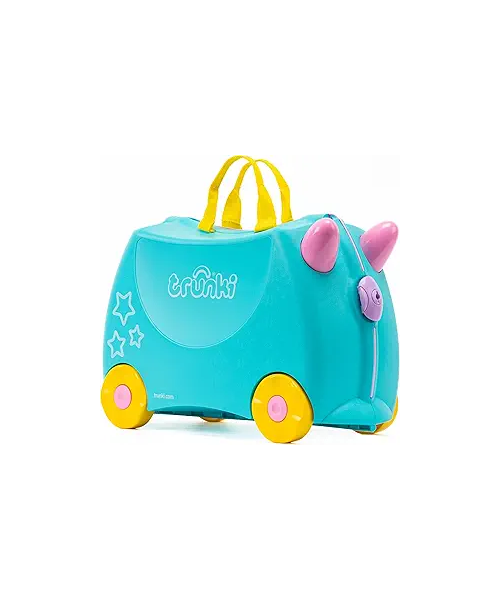
Available at: Trunki (trunki.co.uk), John Lewis, Amazon
Best for: Children aged 1–6 who want to ride their own suitcase through the airport.
The Trunki is the specific airport product that converts the airport transit from a management challenge into a child-led activity. The child rides the Trunki, the parent pulls the tow strap, and the specific child engagement of having their own vehicle keeps the transit moving at a pace that pushing a pushchair and managing carry-on luggage simultaneously doesn’t achieve.
The Trunki also serves as the child’s personal bag — their change of clothes, entertainment, and snacks in a bag they own and carry — which produces the specific responsibility and engagement that children’s ownership of their own kit provides.
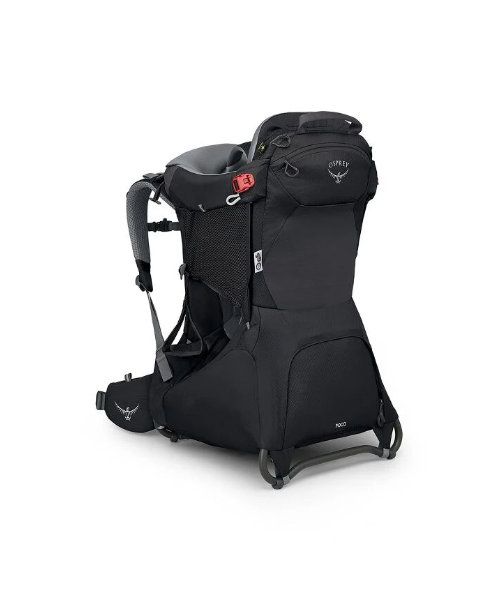
Available at: Osprey (osprey.com), REI, outdoor retailers
Best for: Parents who want to hike with children under 4 in a carrier that’s comfortable for both parent and child.
The Osprey Poco Plus is the specific child carrier recommendation for hiking and active outdoor travel — the structured backpack carrier that distributes the child’s weight across the parent’s hips and shoulders rather than the shoulders alone, and that provides the child with sun protection, a seat height that allows them to see the landscape, and a storage compartment for the parent’s supplies below the child’s seat.
The sun and rain hood that attaches to the frame provides weather protection that the child can’t manage for themselves. The kickstand allows the carrier to stand independently while loading and unloading the child without requiring a second adult.
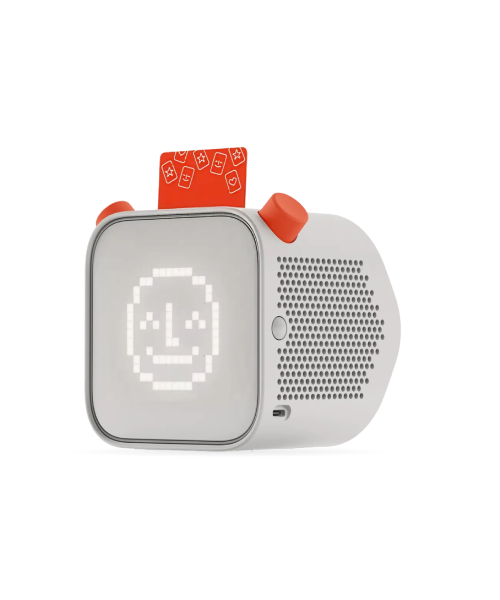
Available at: Yoto (yotoplay.com), John Lewis, Amazon
Best for: Children aged 3–12 who want screen-free entertainment that they control themselves during long journeys.
The Yoto Player is the specific children’s travel entertainment recommendation for those who want an alternative to tablets and phones. The physical card system — each card contains a specific audiobook, story, or music programme that plays when inserted into the player — creates a tactile relationship with entertainment that screen alternatives don’t. Children choose cards from their collection, which provides the engagement of choice without the infinite-scroll problem of streaming.
The eight-hour battery of the Yoto Mini (the travel version) covers most long journey days. The headphone output allows children to listen privately on planes and trains without disturbing other passengers.
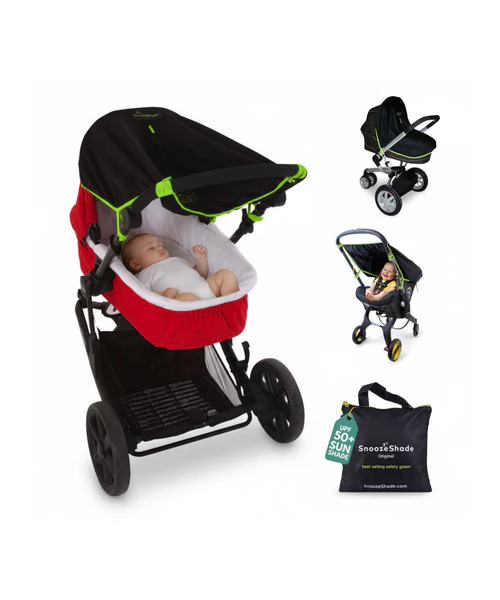
Available at: Snooze Shade (snoozeshade.com), Amazon, John Lewis
Best for: Parents of infants and toddlers who want their child to sleep in transit without the specific light and stimulation that prevents sleep.
The Snooze Shade — a breathable blackout cover for pushchairs and car seats — is the specific product that converts bright, stimulating transit environments into the dark, quiet conditions that infant and toddler sleep requires. The breathable fabric allows airflow while blocking light and visual stimulation. The clip attachment works on most pushchair models.
For parents who’ve discovered that their child won’t sleep on transit during holidays because the environment is too stimulating, the Snooze Shade addresses the specific sensory obstacle that prevents it.
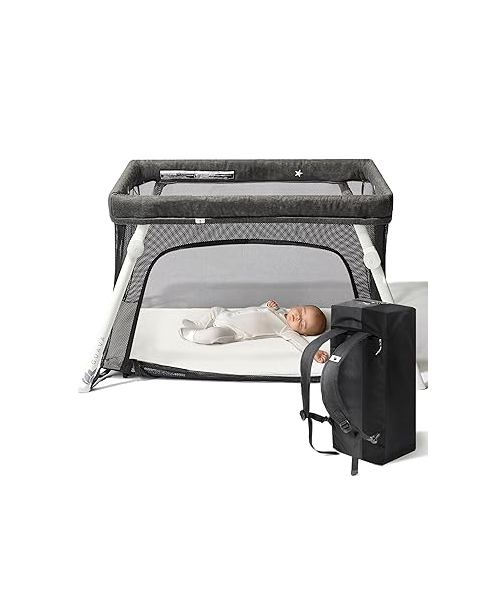
Available at: Guava Family (guavafamily.com)
Best for: Families who travel regularly with children under three who need a sleep space at the destination.
Already covered in other content on this site — the Guava Lotus travel cot that packs into a backpack, fits in overhead lockers, and sets up in sixty seconds is the family travel product that most changes the logistics of travelling with young children. The one-minute setup in a hotel room means the child’s sleep environment is ready before the adult unpacking begins.
Family Travel Destination Tips
All-inclusive resorts for young children. The specific family travel format most consistently described as “brilliant” by parents of young children is the all-inclusive resort — the elimination of the daily meal decision, the beach access without transport logistics, and the kids’ clubs that provide structured entertainment with other children. For families with children under 8, this format produces a holiday where the adults actually rest.
Self-catering accommodation. For families where the all-inclusive resort format doesn’t suit the travel style, self-catering accommodation with a kitchen and multiple bedrooms provides the adult evening that hotel room accommodation doesn’t — children in bed at 7:30, adults cooking dinner and talking without managing a restaurant context.
Destinations with beaches. The beach is the specific holiday context that works across the greatest age range simultaneously — the toddler who plays in the sand, the eight-year-old who explores rock pools, the twelve-year-old who swims, and the adults who sit in the sun and occasionally join the activities. The beach holiday is the most consistently successful family travel format for a reason.
Conclusion
Family travel produces the specific memories that children carry through their lives, and the logistics of making those experiences possible are worth managing well. Trunki for airport transit that children participate in rather than endure. Osprey Poco Plus for hiking with young children in genuine comfort for both parties. Yoto Player for screen-free entertainment that children control themselves on long journeys. Snooze Shade for infant and toddler sleep in transit environments. And Guava Lotus for the travel cot that removes the hardest logistical challenge from travelling with infants. Prepare the infrastructure, reduce the pace, and invest in the experiences that produce the memories. The family holiday where everyone was comfortable and the children were engaged is the holiday worth taking.

