

Affordable fashion and good fashion are not opposites. I’ve believed this for a while but it’s become easier to demonstrate over the past few years as the landscape has genuinely shifted. The direct-to-consumer model changed what’s possible at accessible price points. The conversation around quality versus quantity changed how a lot of brands think about what they’re making. And the result is that there are now more brands producing genuinely well-designed, well-made clothing at prices that don’t require justification than there were five years ago.
What I’m looking for in an affordable brand is not just price. It’s the specific combination of design that feels intentional, construction that survives a real season of wearing and washing, and fabric quality that looks better than the price tag suggests. The brands below have all earned their place on this list by producing pieces I’m still wearing long after I expected to have replaced them.
Products
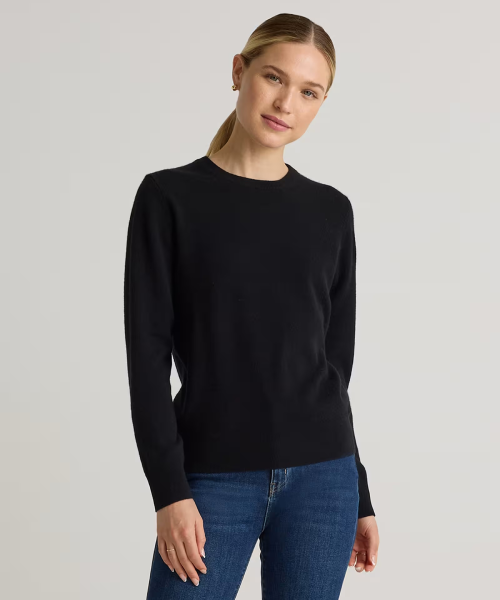
Quince cuts out every retail layer between factory and buyer, which is how a 100% Mongolian cashmere sweater ends up at $50. I own two and they’ve been through multiple seasons without significant pilling. The weight is right for layering or wearing alone.
- Price: $50
- Available at: Quince (onequince.com)
- Best for: Quality cashmere basics — crew necks, v-necks, cardigans — at a price that removes the cashmere budget conversation entirely
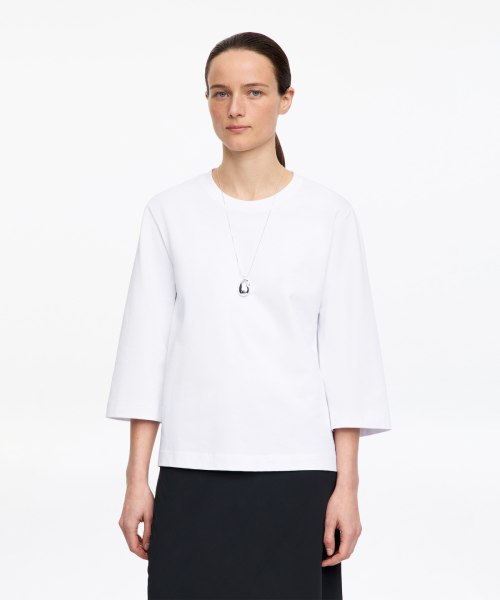
Arket produces a small edited collection each season with fabric quality that’s noticeably above the H&M group brands it sits alongside. Their heavyweight jersey tees have structure, hold their shape through regular washing, and look more expensive than they are.
- Price: $45
- Available at: Arket (arket.com), in stores
- Best for: Quality basics that actually last more than one season and look like they cost more than they did
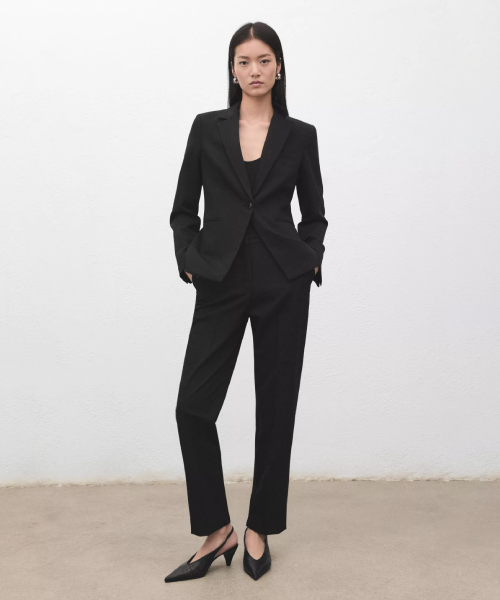
Mango’s tailoring is consistently where they most exceed their price point. The blazers are properly constructed with real interior structure, the fabric has genuine weight, and the silhouettes feel considered rather than knocked out to meet a trend deadline.
- Price: $119
- Available at: Mango (mango.com), in stores
- Best for: A polished casual or workwear blazer at a price that’s genuinely hard to argue with
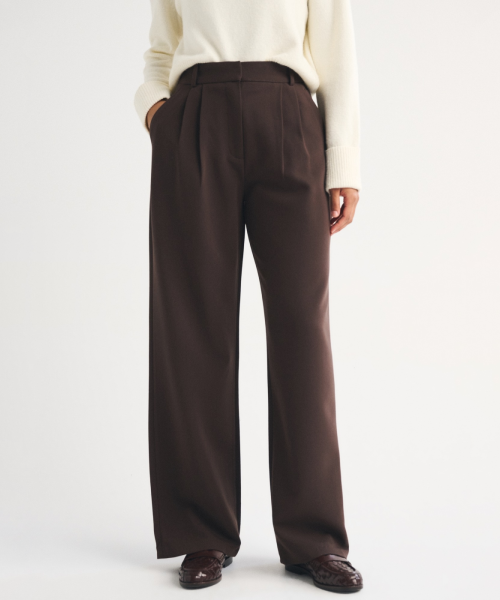
The Abercrombie transformation is real and the tailored trousers are the best evidence of it. Good fabric weight, proper construction, and sizing that works across a wider range of body types than most comparable brands at this price point.
- Price: $80–$90
- Available at: Abercrombie & Fitch (abercrombie.com), in stores
- Best for: Work-appropriate or smart-casual trousers that read as significantly more expensive than they actually are
What Affordable Actually Means Here
I want to be honest about how I’m using the word affordable because it means very different things to different people depending on where they’re starting from. In this post it means accessible to someone who thinks carefully about clothing spending but isn’t on a strict budget. Individual pieces roughly in the $20–$150 range. A complete outfit for under $200. Not the absolute cheapest option because the cheapest option almost always costs more over time through repeated replacement. But not the luxury tier either, because most people don’t need to shop there to look genuinely good.
The more useful way to think about affordable fashion is not to buy more things at lower prices but to buy fewer things that punch above their price point. The $89 linen trouser you wear three times a week all summer is more economical than the $25 one that loses its shape after the second wash. The $65 ribbed knit that survives two winters is a better use of money than the $22 one that pills by November. Affordable fashion rewards being selective about it, and that’s a point most affordable fashion content doesn’t make clearly enough.
Quince — The Brand That Changed How I Think About Basics
Quince is genuinely interesting as a business model. They go directly to the same manufacturers producing goods for luxury brands, cut out every layer of retail markup in between, and sell online at prices that feel wrong for the quality until you understand how they work. Cashmere sweaters for $50. European linen trousers. Silk blouses. Italian leather goods. All at prices that would suggest a significant quality compromise if you didn’t know how they get there.
In my experience the compromise isn’t there. The cashmere sweaters have held up across multiple seasons without becoming the sad pilling versions that cheaper cashmere produces by January. The linen pieces wash consistently and come back looking right. The pima cotton basics maintain their shape and color through the kind of regular washing that department store equivalents often don’t survive. The main limitation is that it’s online only, so you’re buying without trying on. Their size guide is accurate though and returns are handled straightforwardly.
The categories where Quince delivers most: cashmere basics, European linen, silk camisoles and blouses, and the ribbed cotton tanks that form the base of my summer wardrobe. For anyone building a basics foundation who doesn’t want to pay designer prices for things that should cost less, Quince is where I’d send them first.
Arket — Small Collection, Better Quality
Arket is the H&M Group brand that most people don’t know about and should. It operates with a completely different philosophy from H&M — a small, deliberately edited collection each season designed to stay relevant for more than one trend cycle. The aesthetic is quiet Scandinavian minimalism: clean shapes, a restrained color palette, fabric quality that sits noticeably above the price point compared to most of its competitors.
What Arket consistently does well: heavyweight cotton basics that hold their structure through years of washing, outerwear with real interior construction rather than just the right exterior silhouette, linen and cotton pieces that feel genuinely considered. The prices are above H&M but below brands doing comparable quality with more marketing spend, which puts Arket in a sweet spot for people who want quality without justifying a luxury spend.
The way I’d describe the Arket buy to someone who hasn’t tried them: it’s the brand where you pick something up in the store and it feels more expensive than the label says. That doesn’t happen constantly across the high street. When it does consistently, it’s worth paying attention to.
Mango — European Design at Fast Fashion Prices
Mango is technically fast fashion but it operates differently from most of its category in terms of design coherence. There’s a consistent Mediterranean aesthetic running through the brand’s output — slightly relaxed, slightly European, more considered than most of its price-point competitors. Pieces from different seasons tend to work together, which is not true of most fast fashion brands where the seasonal disconnect is obvious.
The tailoring category is where Mango most consistently exceeds what their price suggests. The blazers have real interior structure. The trousers have fabric weight. The construction at seams and buttonholes is above what you’d expect from a brand at this price point. I’ve bought Mango tailoring that I’ve worn to actual professional contexts without anyone guessing where it came from, which is the test that matters for this category.
The tailoring category is where Mango most consistently exceeds what their price suggests. The blazers have real interior structure. The trousers have fabric weight. The construction at seams and buttonholes is above what you’d expect from a brand at this price point. I’ve bought Mango tailoring that I’ve worn to actual professional contexts without anyone guessing where it came from, which is the test that matters for this category.
Abercrombie — The Comeback That Deserves the Attention It's Getting
Abercrombie & Fitch has pulled off one of the more unlikely brand transformations in retail over the past few years. The brand that was associated with a very specific and very dated early 2000s aesthetic has repositioned itself completely around well-fitting, well-made pieces for adult women, and the quality is genuinely there in a way that was not true of Abercrombie five years ago.
The denim is the most talked-about category and deservedly so — it fits better across a wider range of body proportions than most comparable brands at this price, which is not a small thing when denim fit is one of the most personal and frustrating variables in women’s fashion. The knitwear has fabric weight. The tailored pieces — trousers and blazers — read as considerably more expensive than they are. And the sizing now accommodates a genuinely wider range of body types than Abercrombie historically managed, which has opened the brand up to customers it previously couldn’t serve.
Amazon Essentials — For the Actual Basics
Something worth saying plainly: some of my most-worn summer basics come from Amazon Essentials. The ribbed tanks, the classic tees, the simple cardigans. The quality isn’t exceptional but it’s consistently adequate, the sizing is reliable once you know it, and the price means replacing something worn out doesn’t feel like a decision. This is not the place to build a wardrobe with any personality. It’s the place for foundational pieces that go under other things, multiples you need in several colors, and basics so simple they’re hard to do wrong.
For anything visible — the top layer, the piece someone actually sees — I’d spend more and go to Quince, Arket, or Mango. For the layers underneath, the multiples, the boring but necessary basics: Amazon Essentials does the job at the most honest price on the market.
How to Shop These Brands Without Wasting Money
The mistake most people make when they find affordable brands worth shopping is buying too many things too quickly. Everything seems like a good deal. The enthusiasm generates a full basket and the basket generates a wardrobe full of individual items that don’t work together and don’t fill the actual gaps in what you already own.
The more useful approach: identify what’s specifically missing. Not what you want in the abstract when you’re browsing — what you reach for in your wardrobe and don’t find. A specific trouser weight. A knitwear layer for a specific temperature range. A blazer that works for the situations your current one doesn’t handle. Then go to the brand that does that specific thing best and buy that specific thing. Quince for cashmere. Mango for the blazer. Abercrombie for denim. That approach builds a wardrobe over time. The other approach builds a closet full of things you sort of like.
Conclusion
Affordable fashion in 2026 is genuinely good in a way it wasn’t a few years ago and the brands on this list are the evidence. Quince has demonstrated that the direct-to-consumer model can make luxury-quality basics available at prices that remove the budget conversation entirely. Arket produces quietly excellent clothing that outperforms its price consistently enough to be worth seeking out. Mango brings real design coherence and above-average tailoring to fast fashion prices. Abercrombie has completed a brand transformation that has produced genuinely well-made, well-fitting pieces that deserve the attention they’re getting. And Amazon Essentials handles the foundational basics at the most honest price available. The key across all of them is shopping deliberately — fewer better things chosen with a specific gap in mind will always outperform more things chosen enthusiastically from a full basket.

