

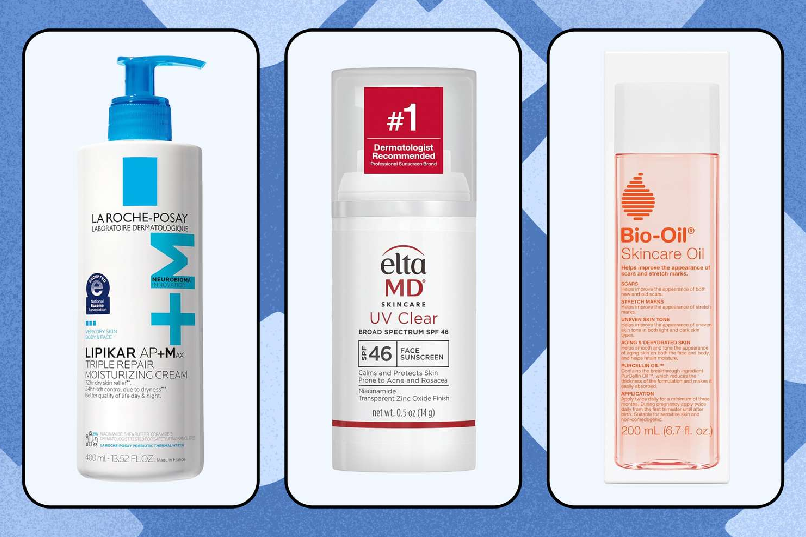
The pregnancy beauty question is one that comes with a significant amount of conflicting information, outdated advice, and anxiety that isn’t always proportionate to the actual evidence. The general principle — that some ingredients commonly used in beauty products should be avoided during pregnancy due to their potential to cross the placental barrier or cause hormonal disruption — is sound. But the specific application of that principle gets complicated quickly, partly because the evidence varies significantly in quality between different ingredients, and partly because the beauty industry hasn’t always made it easy to find products that clearly exclude the ingredients of concern.
This is not a medical advice post, and anything below is worth discussing with your healthcare provider if you have specific concerns. What I can offer is a clear summary of what the evidence most consistently flags as worth avoiding, and specific products that navigate the pregnancy-safe landscape without requiring you to spend hours reading ingredient labels.
Products
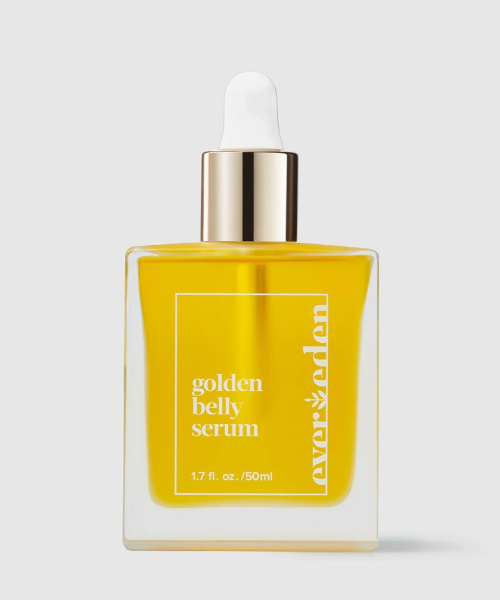
Evereden was developed by dermatologists with pregnancy specifically in mind — the brand started because the founders couldn’t find skincare they were confident using during pregnancy and decided to make it themselves. The Premium Belly Butter is formulated with stretch mark prevention in mind, using clean ingredients at concentrations that have been verified safe for use during pregnancy. The texture is rich without being greasy and absorbs without leaving residue on clothing.
- Price: $42
- Available at: Evereden (evereden.com), Target, Nordstrom
- Best for: Daily belly moisture during pregnancy — specifically formulated safe for pregnancy and genuinely effective for the skin elasticity support it’s used for
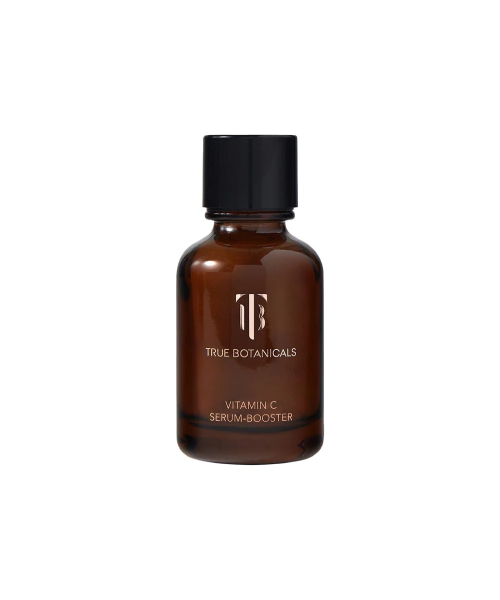
True Botanicals maintains a pregnancy-safe product list — which is unusual and worth noting as a transparency signal — and the Vitamin C Booster is on it. Vitamin C is one of the antives that remains safe and effective during pregnancy, and True Botanicals’ formulation uses it at a concentration that produces visible brightening while remaining well within the safe use guidelines for pregnancy.
- Price: $90
- Available at: True Botanicals (truebotanicals.com), Credo Beauty
- Best for: Maintaining vitamin C in the skincare routine through pregnancy without compromising on the clean, pregnancy-verified ingredient standard
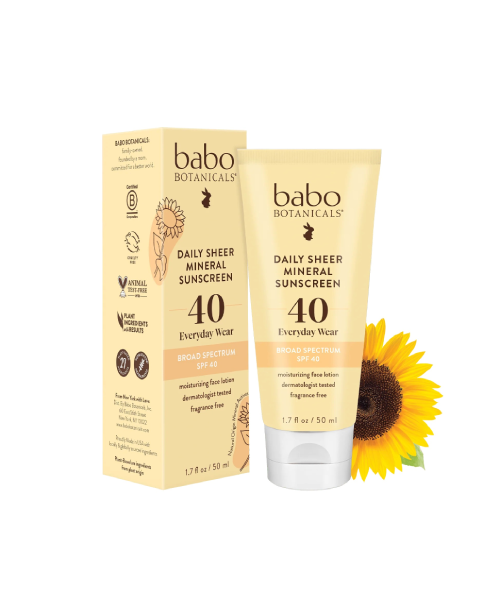
Mineral SPF is the only SPF type considered unequivocally safe during pregnancy — chemical UV filters including oxybenzone and avobenzone are on most pregnancy avoid lists due to their potential hormone-disrupting properties and absorption through the skin. Babo Botanicals produces a mineral SPF 40 in their sensitive skin range that goes on without significant white cast and works under makeup.
- Price: $24.99
- Available at: Babo Botanicals (babobotanicals.com), Target, Amazon
- Best for: Daily SPF during pregnancy — mineral formula without the chemical UV filters that appear on most pregnancy avoidance lists
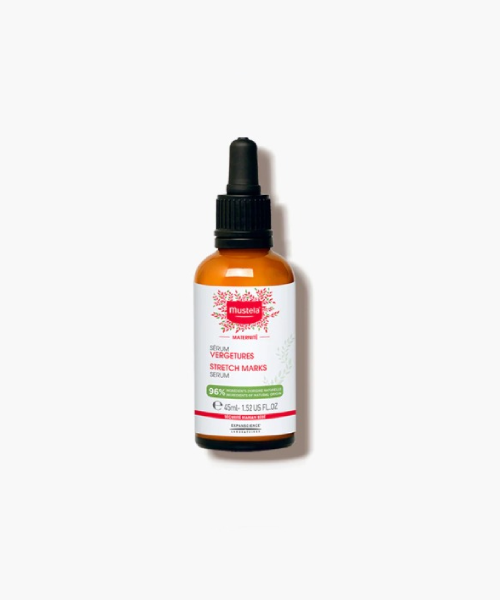
Mustela has been producing baby and maternity skin care for over 70 years and their pregnancy-specific formulations are among the most tested in the category. The Stretch Marks Serum uses centella asiatica, rosehip oil, and hyaluronic acid in a combination that supports skin elasticity during the skin expansion of pregnancy. The brand’s ECOCERT certification and their pregnancy-safe formulation commitment are both genuine.
- Price: $39.99
- Available at: Mustela (mustela.com), Target, Buy Buy Baby, Amazon
- Best for: Targeted stretch mark prevention during pregnancy from a brand specifically formulated for maternity use with long-standing safety credentials
What the Evidence Actually Says to Avoid
The ingredients most consistently identified as worth avoiding during pregnancy are the following, with varying but meaningful evidence behind each.
Retinoids in all forms — retinol, retinaldehyde, tretinoin, and other vitamin A derivatives — are on the avoid list based on the teratogenic effects documented at high doses in supplement form. While topical retinoids are absorbed at much lower levels than oral supplements, the cautious recommendation is to avoid them entirely during pregnancy. This is one of the clearest consensus positions in the pregnancy beauty space.
Chemical UV filters — oxybenzone, octinoxate, homosalate, and others — have raised concerns primarily around their absorption through the skin and potential hormone disruption. The FDA has requested more safety data on these ingredients. The practical recommendation for pregnancy is to switch to mineral (zinc oxide or titanium dioxide) SPF for the duration.
Salicylic acid at high concentrations — the BHA exfoliant that’s genuinely effective for congestion and acne. At concentrations above 2% and with significant body surface application, it raises theoretical concerns. Low concentrations in a cleanser or toner, used on a small area, are generally considered low risk by most dermatologists, but the recommendation during pregnancy is to use it cautiously or switch to glycolic or lactic acid alternatives.
Formaldehyde and formaldehyde-releasing preservatives — found in some nail polishes and hair treatments. Worth avoiding in any context but particularly during pregnancy.
What Remains Safe and Effective
Vitamin C — stable antioxidant with brightening and protective effects, no pregnancy concerns. Niacinamide — effective for multiple skin concerns, well-studied, no pregnancy safety issues. Hyaluronic acid — hydration at all stages, completely safe. Azelaic acid — actually recommended for pregnancy-safe acne and pigmentation treatment, naturally occurring in skin and considered safe. Glycolic and lactic acids at lower concentrations — exfoliation that avoids the salicylic acid concerns. Centella asiatica — anti-inflammatory botanical widely used in pregnancy formulations.
The pregnancy skincare routine that works: a gentle cleanser, niacinamide or vitamin C serum, moisturizer, and mineral SPF in the morning. A gentle cleanser, azelaic acid for any acne or pigmentation concerns, and a rich moisturizer in the evening. Pregnancy-specific belly butter twice daily on the body.
The Makeup Side of the Equation
Pregnancy-safe makeup is less fraught than skincare because most makeup sits on the surface of the skin rather than being designed to absorb. The concerns are fewer and more specific. Avoid nail polish that contains formaldehyde, toluene, or dibutyl phthalate — look for “3-free,” “5-free,” or “10-free” designations. Be cautious with spray tanning products because the active ingredient DHA has some questions around inhalation. And check any acne-targeted products for salicylic acid.
Most regular makeup — foundations, concealers, blushes, eyeshadows, lipsticks — doesn’t contain the ingredients specifically called out for pregnancy. Reading labels becomes important when buying acne treatments, exfoliating toners, or anti-aging products, where the concerning ingredients are more likely to appear.
Conclusion
Pregnancy safe beauty is primarily about identifying the short list of ingredients worth avoiding — retinoids, chemical UV filters, high-dose salicylic acid — and then building a routine around the many effective ingredients that remain safe. Evereden makes the clearest case for a brand genuinely built around pregnancy safety, with dermatologist-developed formulations and complete ingredient transparency. Mustela’s decades of maternity formulation experience produce products with the longest safety track record in the category. True Botanicals maintains a genuine pregnancy-safe list and formulates accordingly. And Babo Botanicals’ mineral SPF is the clean, pregnancy-safe daily sun protection that doesn’t compromise on the protection level. The routine during pregnancy can still be effective — it just needs the specific adjustments that the evidence supports.

