

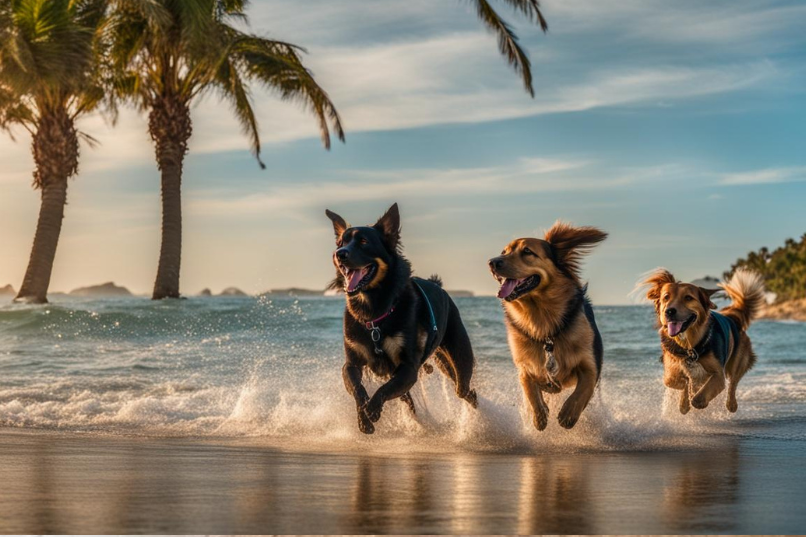
Traveling with dogs is one of those things that requires more planning than traveling without them and produces a completely different experience at the destination — usually a better one, if the destination is well-chosen. The destinations where dogs are genuinely welcomed rather than merely tolerated produce a different quality of travel day. The cafe with water bowls outside and a dog menu. The beach where dogs can run off-leash in the morning hours. The hiking trail where the dog is as much a part of the landscape as you are.
What follows is a collection of destinations and travel considerations built around the specific experience of traveling with a dog — the places where it genuinely works, the preparation that makes it manageable, and the accessories and products that make the whole thing work better for everyone.
Products
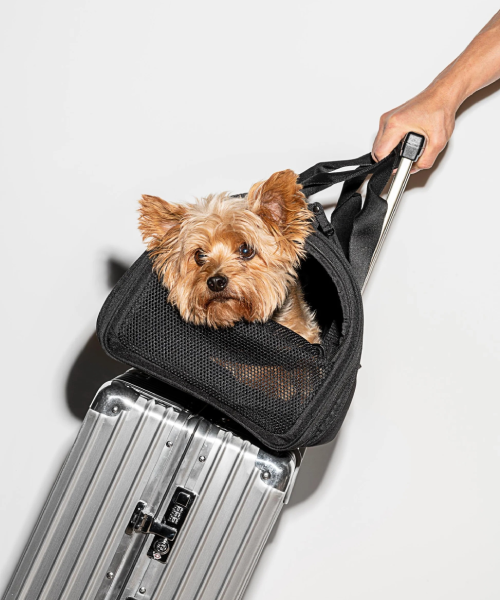
Already mentioned in the lifestyle section, Wildbird’s dog carrier sling is specifically excellent for travel with small to medium dogs because it allows navigating airports, train stations, and urban environments with the dog carried comfortably and the hands free. For destinations that involve significant public transit use — European cities specifically — the carrier allows access to transport systems that prohibit dogs on the floor but permit them in carriers.
- Price: $89
- Available at: Wildbird (wildone.com)
- Best for: Traveling with small to medium dogs through airports and public transit systems — the carrier that keeps hands free and dogs comfortable through the travel day
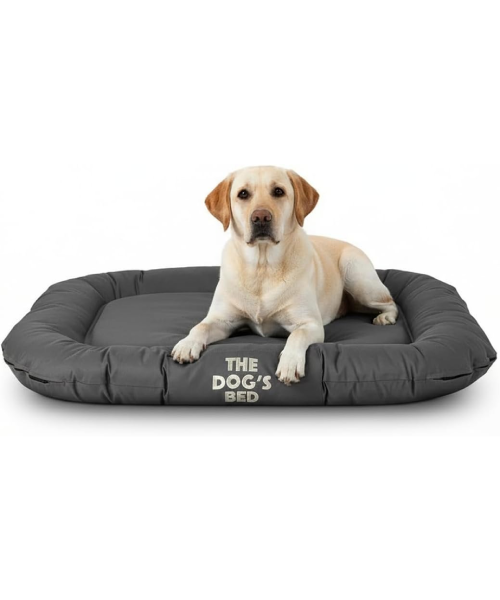
The travel version of Manta’s dog bed is the portable bed in a stuff-sack format that provides the dog with a consistent sleeping surface across all the accommodation contexts of travel — the hotel room, the vacation rental, the friend’s home. Dogs sleep better in unfamiliar environments when they have their familiar sleeping surface, and the Manta travel bed compresses small enough to travel in checked luggage without significant volume cost.
- Price: $65
- Available at: Manta Sleep (mantasleep.com), Amazon
- Best for: Dogs who sleep better with their own familiar surface in unfamiliar accommodation — the travel bed that provides consistency across variable accommodation contexts
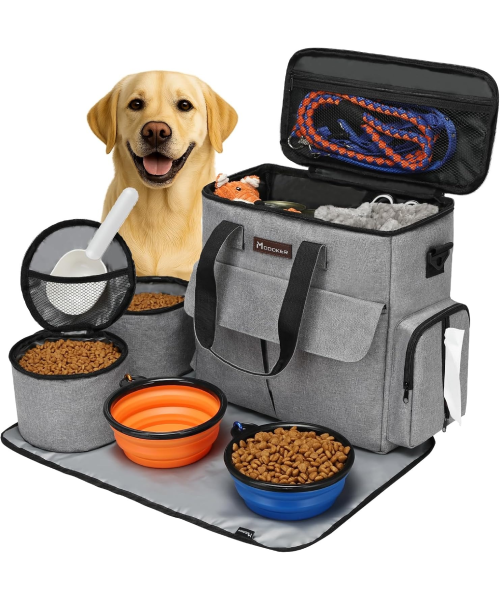
Yamazaki’s portable dog station — a foldable design that creates a dog feeding and water station in any accommodation — applies their home organization philosophy to the travel context. The consistent feeding environment (the same bowl placement, the same surface) helps dogs settle into new accommodation more quickly by maintaining a familiar element of the home routine in an unfamiliar environment.
- Price: $35
- Available at: Yamazaki Home (yamazakihome.com), Amazon
- Best for: Maintaining feeding routine consistency in travel accommodation — the portable station that creates a familiar environment element wherever the pack is staying
Dog-Friendly Destinations Worth Knowing
The destinations where traveling with a dog works best are those where the culture around dogs in public spaces is genuinely welcoming rather than politely tolerant. Several regions and city types consistently perform well for dog travel.
European cities — particularly Amsterdam, Berlin, Paris, and most of the Nordic capitals — have a dog culture that includes dogs in cafes, on public transport with appropriate carriers, in many shops, and on many restaurant terraces. The practical difference is significant: the travel day in a genuinely dog-welcoming city is a fundamentally different experience from navigating a city where dogs require constant management and exclusion from most spaces.
Coastal destinations with off-leash beach access — California beaches with morning off-leash hours, most UK coastal towns with dog-friendly beach sections, much of the Australian and New Zealand coastline — provide the specific outdoor experience that makes travel with an active dog genuinely rewarding rather than a management challenge.
Mountain and outdoor destinations with extensive trail access and dog-welcome trail culture. The American Pacific Northwest, the Swiss and Austrian Alps (with specific trail access research), the Scottish Highlands, and much of Scandinavia offer trail networks where dogs are a natural part of the landscape.
The Logistics of Traveling with Dogs
The practical logistics of traveling with a dog vary significantly between destinations and transport methods, and researching this specifically before booking is worth more time than most travel logistics research.
International travel requires destination-specific documentation — health certificates, vaccination records in the required format, possible quarantine requirements (Hawaii, New Zealand, Australia, and the UK have significant quarantine or pre-travel requirements). The documentation requirements change more frequently than guidebook information reflects, and checking the current requirements through the destination’s official veterinary import requirements is the only reliable source.
Domestic travel by air in the US requires booking the dog on the flight (most carriers have a pet reservation process and a per-flight fee), the appropriate carrier size for the cabin (under-seat carriers need to meet specific dimensions that vary by airline), and health certificates issued within specific time windows before the flight. Road travel is generally the easiest dog transport method — the dog in a properly secured crate or harness in the vehicle requires only the initial setup rather than ongoing management.
Accommodation Research for Dog Travel
Accommodation that genuinely welcomes dogs rather than simply permitting them with a fee produces a different travel experience. The distinction is usually visible in the reviews: accommodation that provides dog beds, dog bowls, dog walking maps, and local dog-friendly recommendations reads differently from accommodation that charges a pet fee and expects no special accommodations in return.
Searching specifically for pet-friendly accommodation rather than filtering accommodation to allow pets produces better results — the former finds places designed for pet travel, the latter finds places that have agreed to permit pets without necessarily designing for them.
Conclusion
Traveling with dogs produces the best experience in destinations where the culture genuinely welcomes dogs in public spaces and where the outdoor activities available match what the dog needs as much as what the humans want. Wildbird’s carrier handles the transport-day navigation in cities and transit systems. Manta’s travel dog bed provides sleeping surface consistency in variable accommodation. Yamazaki’s travel station maintains feeding routine familiarity. And KastKing’s portable water bottle handles the outdoor activity hydration that trail travel requires. The destinations that work best — European cities with dog-welcoming cultures, coastal areas with off-leash beach access, mountain regions with extensive trail systems — are the ones where the dog is as much a participant in the travel experience as the humans in the pack.

