

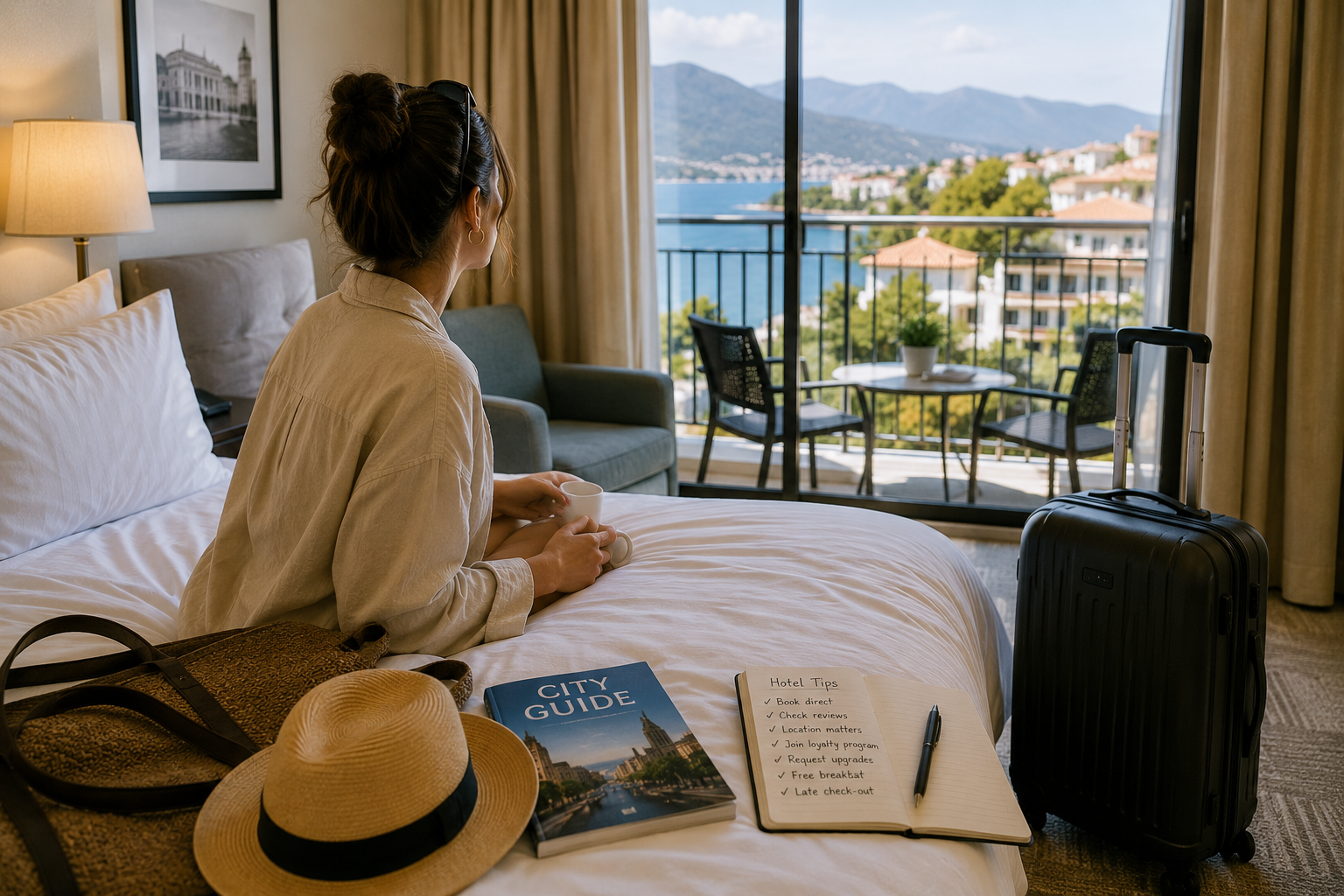
Accommodation is the variable in travel planning that most influences the overall experience and that gets the least systematic attention. Most people spend significantly more time researching flights than accommodation, despite the fact that accommodation is where most of the non-activity hours of a trip are spent and where the quality of rest determines the quality of everything that happens during the day.
The accommodation that works is not necessarily the most expensive or the highest-rated. It’s the accommodation that matches what the specific trip requires — the right location, the right configuration, the right environment for the specific way that this trip is going to be lived.
Products
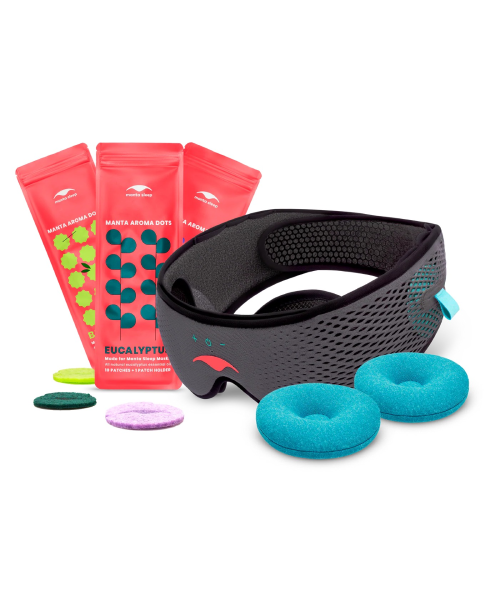
Hotel rooms are among the most sleep-hostile environments that most people regularly encounter. Blackout curtains that don’t fully close. The gap of light from the corridor. The early morning delivery noise or street sound. The air conditioning that runs loudly when the room is too warm and shuts off leaving it too quiet. The Manta travel set — the blackout mask and earplugs — addresses the two most consistent hotel room sleep issues without requiring any modification to the room.
- Price: $45–$55
- Available at: Manta Sleep (mantasleep.com), Amazon
- Best for: Those who find hotel room sleep consistently worse than home sleep due to light and sound — the travel accessories that address the most common hotel sleep quality barriers
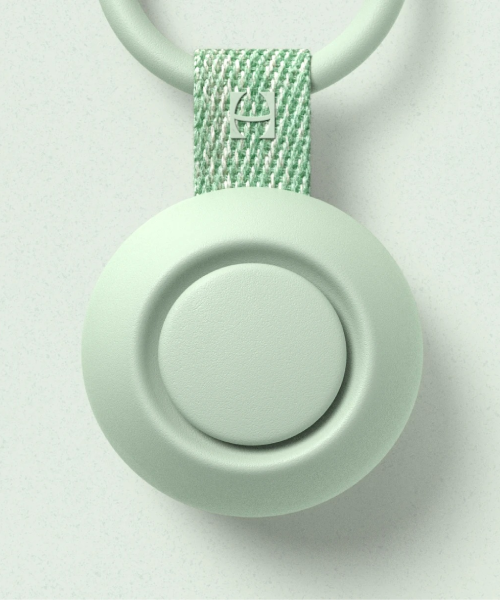
The Hatch Mini provides the consistent sound environment that makes falling asleep in an unfamiliar room easier and that masks the variable noise of hotel corridors, street sounds, and HVAC systems. Smaller than a phone, it charges via USB, and it provides the same white noise and sleep sound library as the full-size Hatch Rest. For those whose home sleep involves a sound machine, the Mini maintains that sleep-supporting environment while traveling.
- Price: $49.99
- Available at: Hatch (hatch.co), Target, Amazon
- Best for: Travelers who sleep with sound machines at home and want to maintain that environment while traveling — the Mini that provides home sleep environment consistency in any hotel room
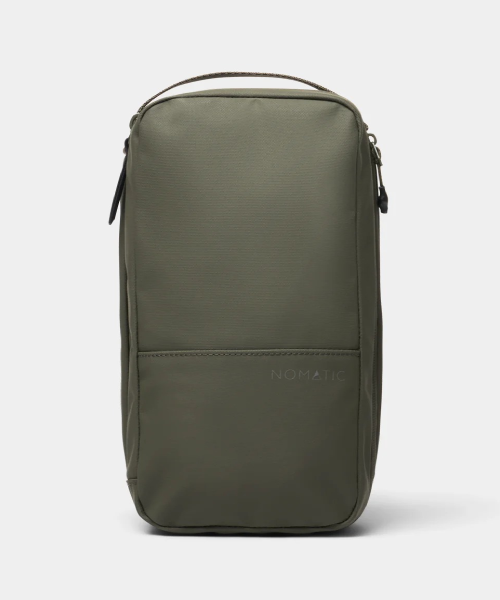
Nomatic’s toiletry bag is the organization structure for the bathroom products that need to travel — the same category-specific organization philosophy in a format designed for hotel bathroom use, with hook mounting for the hotel bathroom door and individual compartments that allow seeing and accessing products without unpacking everything.
- Price: $69.99
- Available at: Nomatic (nomatic.com)
- Best for: Travelers who want bathroom organization that transitions from bag to hotel bathroom without unpacking — the toiletry bag that works as well in the hotel bathroom as at home
The Accommodation Decision Framework
The decision between a hotel, a vacation rental, and other accommodation types is worth making based on the specific trip context rather than defaulting to the same type.
Hotels are better for: short stays where unpacking fully isn’t worth the effort, trips where room cleaning daily is valuable, solo or couple travel without cooking requirements, and cities where location advantage is more important than space.
Vacation rentals are better for: family or group travel where multiple bedrooms and shared common space matter, trips long enough that having kitchen access changes the economics and enjoyment of eating, destinations where the residential neighborhood experience is more interesting than the hotel district, and travel with dogs or other pets where finding pet-accepting hotels is genuinely difficult.
The specific things worth checking before any accommodation booking: the actual neighborhood location rather than just the city (the well-reviewed hotel in the peripheral district is not the same travel experience as a less-reviewed hotel in the center), the cancellation policy relative to the uncertainty in your trip planning, and the most recent reviews rather than the aggregate score (which may reflect an older ownership or management situation).
Sleep in Hotels — The Specific Problem
Hotel sleep is worse than home sleep for most people, and the reasons are specific enough to be worth addressing rather than accepting. The unfamiliar environment activates the brain’s threat-detection system at a low level — this is a well-documented sleep phenomenon called “first night effect” where one hemisphere of the brain maintains lighter sleep in unfamiliar environments as a protective mechanism. The first night in any new accommodation is typically the worst sleep of the stay.
Beyond the first night effect, the specific hotel environment factors that affect sleep: light intrusion from corridor gaps and inadequately sealed blackout curtains (the Manta mask addresses this), HVAC noise that cycles on and off (the Hatch Mini sound machine masks this), and the variable street and building noise that can’t be predicted from booking.
The traveler who arrives at a hotel with a sleep mask and a sound machine is the traveler who sleeps better than average in hotels and starts each travel day from a better rest baseline.
Getting the Most from the Accommodation
The accommodation that’s been booked is worth using actively rather than treating as purely functional. The hotels with best-practice concierge resources — the actual local recommendations from staff who live in the area — are worth engaging rather than going directly to generic travel apps. The local market, the specific restaurant that’s not on the tourist lists, the time of day to visit the popular site when it’s least crowded — these are the pieces of information that make a trip better that the hotel concierge knows and that search engines often don’t.
Conclusion
Accommodation tips worth following are those that address the specific factors that determine whether accommodation actually enhances the travel experience rather than just providing a place to sleep. The Manta sleep set addresses the hotel room sleep quality problem that affects the quality of every travel day. The Hatch Mini maintains the sound environment that supports consistent sleep across different accommodation. Nomatic’s toiletry bag makes the hotel bathroom routine work as well as at home. And Luhxe’s room enhancement kit provides the sensory consistency that makes unfamiliar rooms feel more familiar. The accommodation decision itself benefits from choosing based on what the specific trip requires rather than what seems safest or most comfortable by default.

