
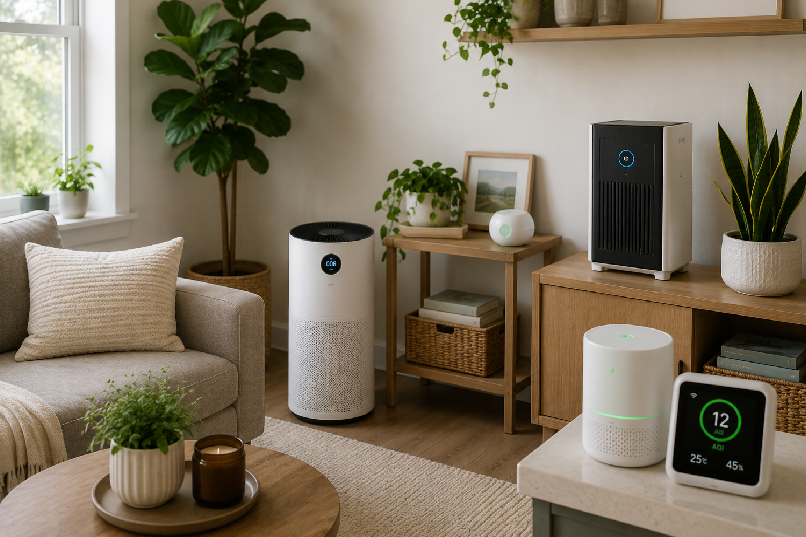
Indoor air quality is the home wellness topic that’s received the most research attention over the past decade and produced the clearest evidence that what you breathe inside your home affects health in measurable ways. The specific finding that’s most significant: indoor air is typically two to five times more polluted than outdoor air, according to EPA research, because indoor spaces trap the pollutants that outdoor air disperses — VOCs from building materials and household products, particulate matter from cooking and combustion, biological allergens like dust mites, pet dander, and mold spores, and the CO2 accumulation that comes from occupancy in under-ventilated spaces.
This is not an argument for anxiety. It’s an argument for understanding which specific air quality challenges your home actually has and choosing the products that address those specific challenges rather than buying the most heavily marketed device in the category.
Products
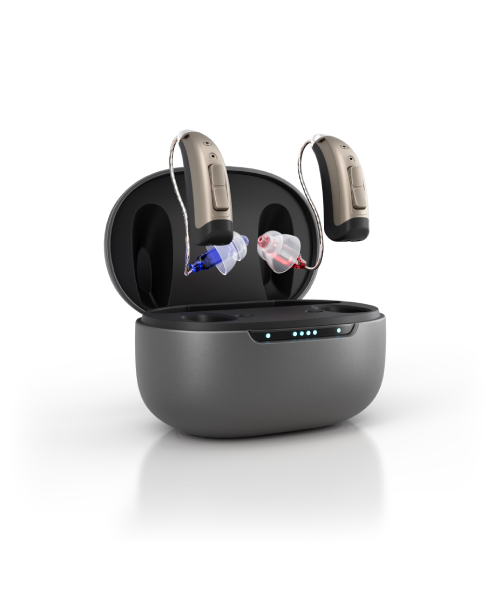
Oxiline produces their air quality monitoring devices with the same clinical accuracy commitment they bring to health monitoring, and the Air X Pro is the monitor that most comprehensively tracks the indoor air quality variables that matter — PM2.5 (fine particulate matter), CO2 levels, VOCs, temperature, and humidity — in a continuous monitoring format with data logging through an app. The device makes indoor air quality visible and measurable rather than assumed.
- Available at: Oxiline (oxiline.com)
- Best for: Understanding what your specific indoor air quality situation actually is before deciding which air quality improvement products to buy — the monitor that reveals the specific problems
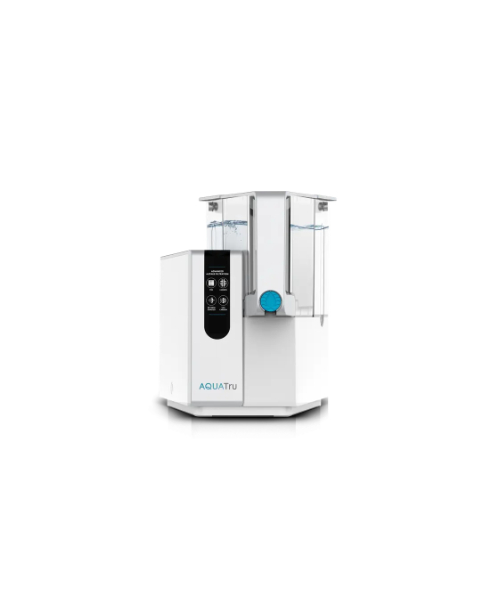
AquaTru extends their water purification expertise into air purification with a HEPA-based air purifier that the brand has documented with independent testing. The H13 True HEPA filter removes 99.97% of particles 0.3 microns and larger — which includes most mold spores, dust mite debris, pollen, and fine particulate matter — and the activated carbon filter in the second stage addresses VOCs and odors that HEPA alone doesn’t remove.
- Available at: AquaTru (aquatru.com), Amazon
- Best for: Bedroom or living room air purification with independently verified HEPA performance for those who want documented performance rather than marketing claims
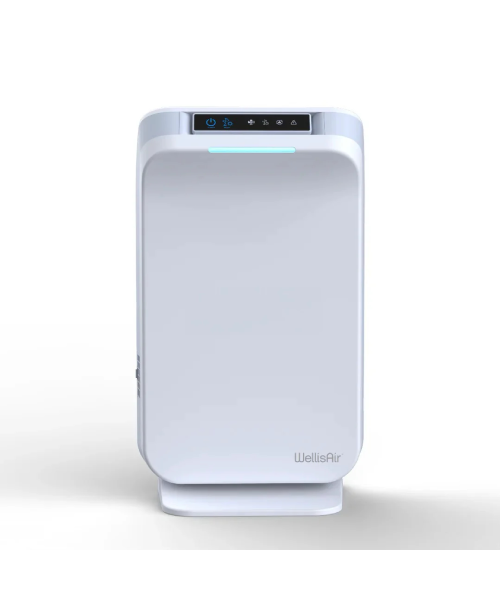
SpringWell extends their water filtration approach to whole-house air filtration through their HVAC-integrated filtration system — a high-efficiency filter that fits existing forced-air HVAC systems and filters the air circulating through the whole house on every HVAC cycle. The advantage over room-specific air purifiers is whole-house coverage; the limitation is that it only works when the HVAC is running.
- Available at: SpringWell (springwellwater.com)
- Best for: Those with central heating and air who want whole-house air filtration improvement through their existing HVAC system
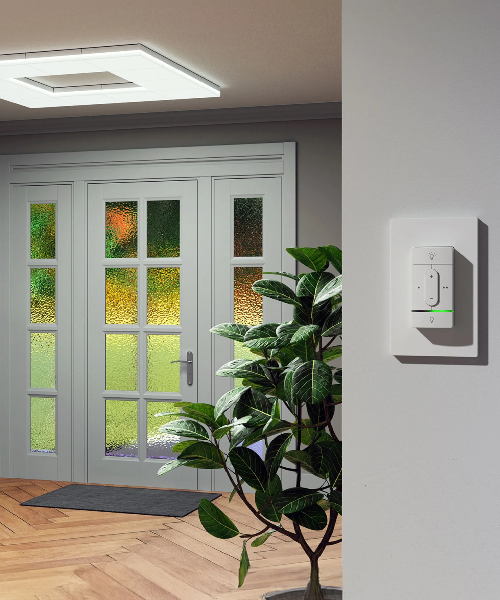
Nanoleaf has integrated an air quality sensor into their smart home platform — the sensor monitors CO2, VOCs, temperature, and humidity and integrates with the Nanoleaf smart home ecosystem to trigger responses like opening windows or activating fans when air quality drops below set thresholds. For those already using Nanoleaf for smart lighting, the air quality integration creates an automated home environment response to air quality changes.
- Available at: Nanoleaf (nanoleaf.me), Best Buy, Amazon
- Best for: Those in the Nanoleaf ecosystem who want air quality monitoring integrated with smart home automation — particularly useful for home offices and bedrooms
The Specific Indoor Air Quality Problems Worth Addressing
The most useful starting point for any indoor air quality investment is the Oxiline monitor or a similar continuous monitoring device, because the specific problems in your home’s air determine which products are actually useful.
CO2 accumulation in bedrooms and home offices is one of the most consistently underaddressed indoor air quality issues. CO2 rises with occupancy in under-ventilated spaces — a bedroom with two adults sleeping and the door closed will typically see CO2 climb through the night to levels associated with reduced cognitive performance and sleep quality by morning. The intervention is simple and free — opening windows when CO2 is high — but you can only make this response if you know CO2 is elevated, which requires monitoring.
Fine particulate matter (PM2.5) is the air quality variable with the most direct documented health impacts — it’s associated with respiratory and cardiovascular health effects at chronic exposure levels. Indoor sources include cooking (particularly high-heat cooking without exhaust ventilation), candles (especially paraffin candles), incense, and outdoor PM2.5 that infiltrates through ventilation. HEPA filtration in the rooms where time is spent most addresses this effectively.
VOCs (volatile organic compounds) off-gas from building materials, furniture, paints, and household products. New furniture, fresh paint, new flooring, and many household cleaners are significant VOC sources. They’re addressed by activated carbon filtration rather than HEPA (which only captures particles, not gas-phase compounds). The combination of HEPA and activated carbon in a single air purifier is the complete approach.
Humidity — The Variable That Affects Everything Else
Indoor humidity is the air quality variable that affects both the biology of the space (mold growth, dust mite populations, and respiratory comfort all respond to humidity levels) and the physical environment (wood, paper, musical instruments, and leather are all affected by humidity swings). The optimal indoor humidity range for most health and comfort purposes is 40–60%.
Below 40%, indoor air promotes dry skin, irritated mucous membranes, static electricity buildup, and the conditions that allow viruses to survive longer in the air. Wood furniture and flooring can crack and gap. Above 60%, conditions favor mold growth and dust mite reproduction — both significant allergen sources.
A humidity monitor (included in the Oxiline device) tells you where your indoor humidity currently sits. A humidifier adds moisture if below 40%. A dehumidifier removes moisture if consistently above 60%. Addressing humidity is often the air quality intervention that produces the most immediate noticeable effect on daily comfort.
Conclusion
Indoor air quality worth addressing is addressed specifically based on what monitoring reveals rather than generally based on what air quality marketing suggests is universal. Oxiline’s Air X Pro monitor is the investment that reveals the specific problems — CO2, PM2.5, VOC, or humidity — before deciding which products to buy. AquaTru’s air purifier provides documented HEPA-plus-carbon filtration for the rooms where time is spent most. SpringWell addresses air quality improvement at the whole-house level through HVAC integration. And Nanoleaf’s sensor brings air quality monitoring into the smart home ecosystem for automated responses to air quality changes. The sequence is monitor first, then choose the product that addresses what monitoring reveals, rather than buying devices that may be solving problems that don’t exist in your specific home.

