
Anti-ageing is the skincare category with the most marketing investment and the most misleading claims per square inch of packaging. Ingredients that “stimulate collagen production” that don’t demonstrably do so at the concentrations included. Peptides described as “botox-like” that work through a completely different mechanism and produce measurably different results. “Clinically proven” claims based on studies that would fail peer review.
The honest guide to anti-ageing skincare starts with what skin ageing actually is, what causes it, and what topical ingredients can genuinely influence — and then what to buy based on that honest framework.
What Skin Ageing Actually Is
Skin ageing happens through two distinct processes: intrinsic (chronological) ageing and extrinsic (environmental) ageing.
Intrinsic ageing is the biological process of collagen and elastin production slowing over time, the reduction in fat layer beneath the skin, and the gradual thinning of the skin structure. This process is genetic in its rate and cannot be prevented by topical skincare — only medical interventions (injectables, laser treatments) can address it directly.
Intrinsic ageing is the biological process of collagen and elastin production slowing over time, the reduction in fat layer beneath the skin, and the gradual thinning of the skin structure. This process is genetic in its rate and cannot be prevented by topical skincare — only medical interventions (injectables, laser treatments) can address it directly.
The most honest starting point in anti-ageing skincare: if you’re not wearing daily SPF, no anti-ageing product will make as much difference as the SPF you’re not wearing. UV damage is cumulative and prevents the skin repair processes that anti-ageing ingredients support.
Anti-Ageing Ingredients With Clinical Evidence
Retinoids (vitamin A derivatives) have the most robust clinical evidence base of any cosmetic anti-ageing ingredient. Retinol, retinaldehyde, and prescription tretinoin stimulate cell turnover and collagen synthesis in the dermis — mechanisms demonstrated in randomised controlled trials across decades. The evidence is not for a single product but for the class of ingredients.
Vitamin C (L-ascorbic acid) is an antioxidant that scavenges free radicals produced by UV exposure and pollution, reducing oxidative damage to skin cells. It also has direct collagen synthesis support and brightening effects on hyperpigmentation. The clinical evidence is strong for the 10–20% concentration range; below 5%, the evidence is weaker.
Peptides have plausible mechanisms and moderate clinical evidence — weaker than retinoids but above most other anti-ageing claims. Matrixyl (palmitoyl tripeptide-1 and tetrapeptide-7) has the strongest evidence base within the peptide category.
Alpha hydroxy acids (glycolic, lactic, mandelic acids) chemically exfoliate the skin surface, accelerating cell turnover and improving texture. They also have evidence for mild collagen stimulation with consistent long-term use.
SPF remains the most evidence-backed anti-ageing intervention available. I mention it again because the evidence is genuinely that significant.
The Best Anti-Ageing Skincare Worth Buying
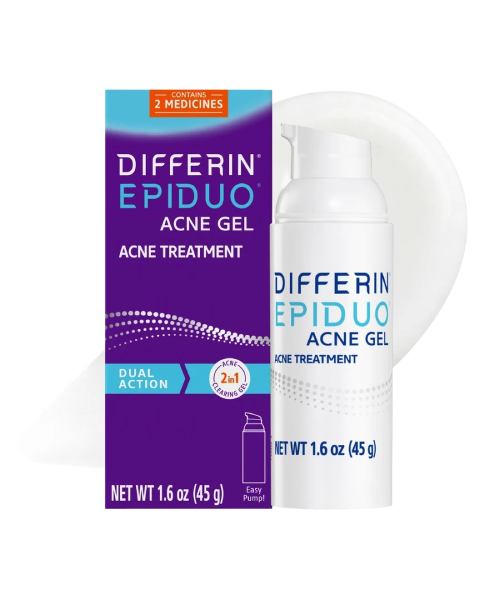
Available at: Amazon, Boots, Walgreens (over the counter)
Best for: Those who want to start a retinoid routine without a prescription and without significant financial investment.
Already covered in the skincare routine blog — the accessible, over-the-counter retinoid that provides the class of ingredient with the most clinical evidence for anti-ageing effects at a price that makes consistent use financially sustainable. Start twice weekly, increase to nightly as tolerated, expect the adjustment period, and assess results at three months.
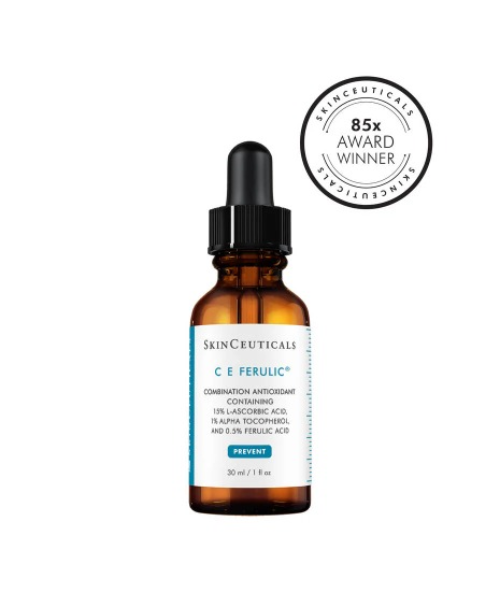
Available at: SkinCeuticals (skinceuticals.com), dermatology clinics, Dermstore
Best for: Those who want the most clinically validated vitamin C serum available and for whom the significant price is manageable.
SkinCeuticals C E Ferulic is the vitamin C serum that appears in academic and clinical references as the formulation benchmark — the 15% L-ascorbic acid, 1% vitamin E, and 0.5% ferulic acid combination that was developed and patented by SkinCeuticals based on their own clinical research. The ferulic acid doubles the antioxidant efficacy of the vitamins C and E combination, and the acidic pH (3.0–3.5) maintains the L-ascorbic acid in the active, reduced form.
The price is genuinely significant. The clinical evidence behind this specific formulation is also genuinely significant — it’s the formulation standard against which other vitamin C serums are compared, often unfavourably. For those for whom the price is manageable, this is the vitamin C serum where the investment is backed by the most substantial evidence.
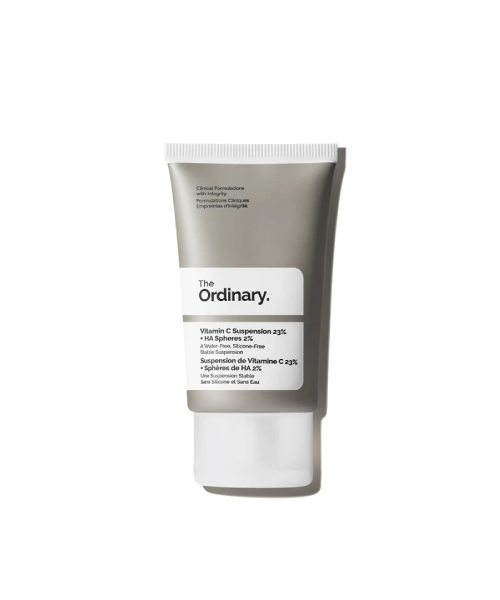
Available at: The Ordinary (theordinary.com), ASOS, Boots, Sephora
Best for: Those who want to incorporate a vitamin C step at a genuinely accessible price.
The Ordinary’s vitamin C suspension is the accessible entry into vitamin C serums — the concentration is high (23%), the price is minimal. The honest limitation: L-ascorbic acid at 23% without the acidic formulation of SkinCeuticals can cause irritation in sensitive skin, and the texture (a gritty suspension rather than a serum) is less pleasant to apply. It provides antioxidant protection and some brightening effect at a price that makes the step financially accessible. For those who can tolerate the texture and want vitamin C without significant investment, it’s an honest option. For those willing to spend more, the Timeless Vitamin C + E Ferulic Serum at $30–35 more closely approximates the SkinCeuticals formulation.
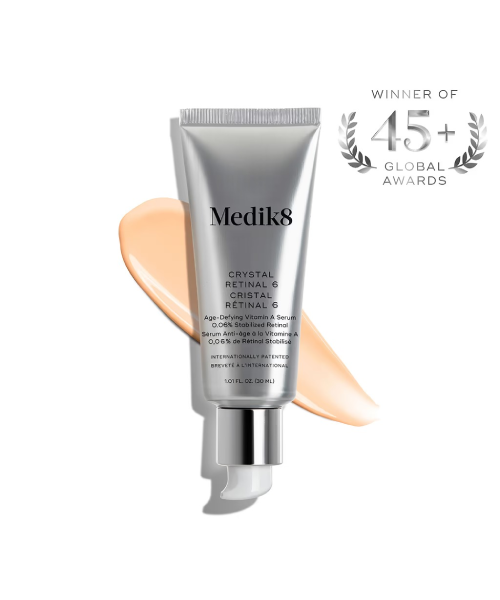
Available at: Medik8 (medik8.com), Space NK, selected dermatologists
Best for: Those who want a retinoid stronger than retinol and more accessible than prescription tretinoin.
Retinaldehyde (retinal) is the retinoid class that sits between over-the-counter retinol and prescription tretinoin in potency — it converts to retinoic acid (the active form used by skin cells) in one step rather than retinol’s two steps, making it faster-acting and more potent than retinol while remaining available without prescription. Medik8’s Crystal Retinal range is the most consistently recommended formulation in this class — the encapsulated retinaldehyde is stable and delivers the active effectively.
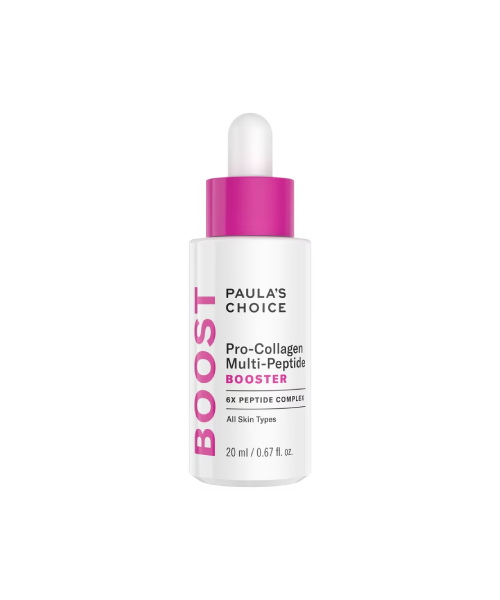
Available at: Paula’s Choice (paulaschoice.com)
Best for: Those who want to incorporate a peptide complex with the strongest-evidenced formulation.
The Paula’s Choice Peptide Booster includes Matrixyl (the peptide with the strongest clinical evidence base in the category) alongside several supporting peptides and antioxidants. Applied after the retinoid step in the evening or alone in the morning, it provides the collagen-synthesis support that the peptide evidence base supports without the irritation potential of the higher-potency retinoid actives.
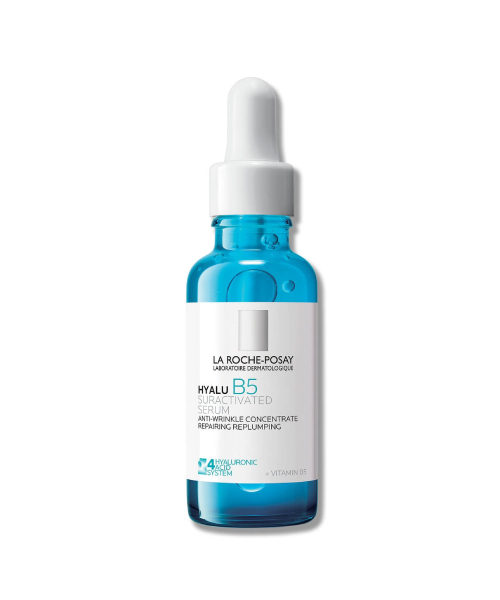
Available at: La Roche-Posay (laroche-posay.co.uk), Boots, Amazon
Best for: Those who want a dermatologically tested hydration and repair serum appropriate for sensitive skin alongside anti-ageing actives.
Hyaluronic acid provides surface hydration that supports the skin’s plumpness, temporarily reducing the appearance of fine lines through hydration rather than structural change. La Roche-Posay’s formulation adds vitamin B5 (panthenol) for skin repair and barrier support — relevant when using retinoids and vitamin C that can be mildly drying. The fragrance-free, dermatologically tested formulation is appropriate for sensitive and reactive skin types that don’t tolerate more complex serums.
Conclusion
Anti-ageing skincare works when it’s built on evidence rather than aspirational marketing. SPF every day is the single most impactful anti-ageing intervention available — nothing else comes close. Retinoids (starting with accessible Differin adapalene) provide the most clinically evidenced active ingredient for cell turnover and collagen stimulation. Vitamin C (SkinCeuticals C E Ferulic for maximum efficacy, The Ordinary for accessible entry) provides antioxidant protection and brightening. Medik8 Crystal Retinal for those ready for a stronger retinoid. And Paula’s Choice Peptide Booster for the collagen-synthesis support with the best evidence base in the peptide class. Build the routine on these ingredients, use them consistently for three months before assessing, and spend less on products making claims beyond what the ingredient evidence supports.

