
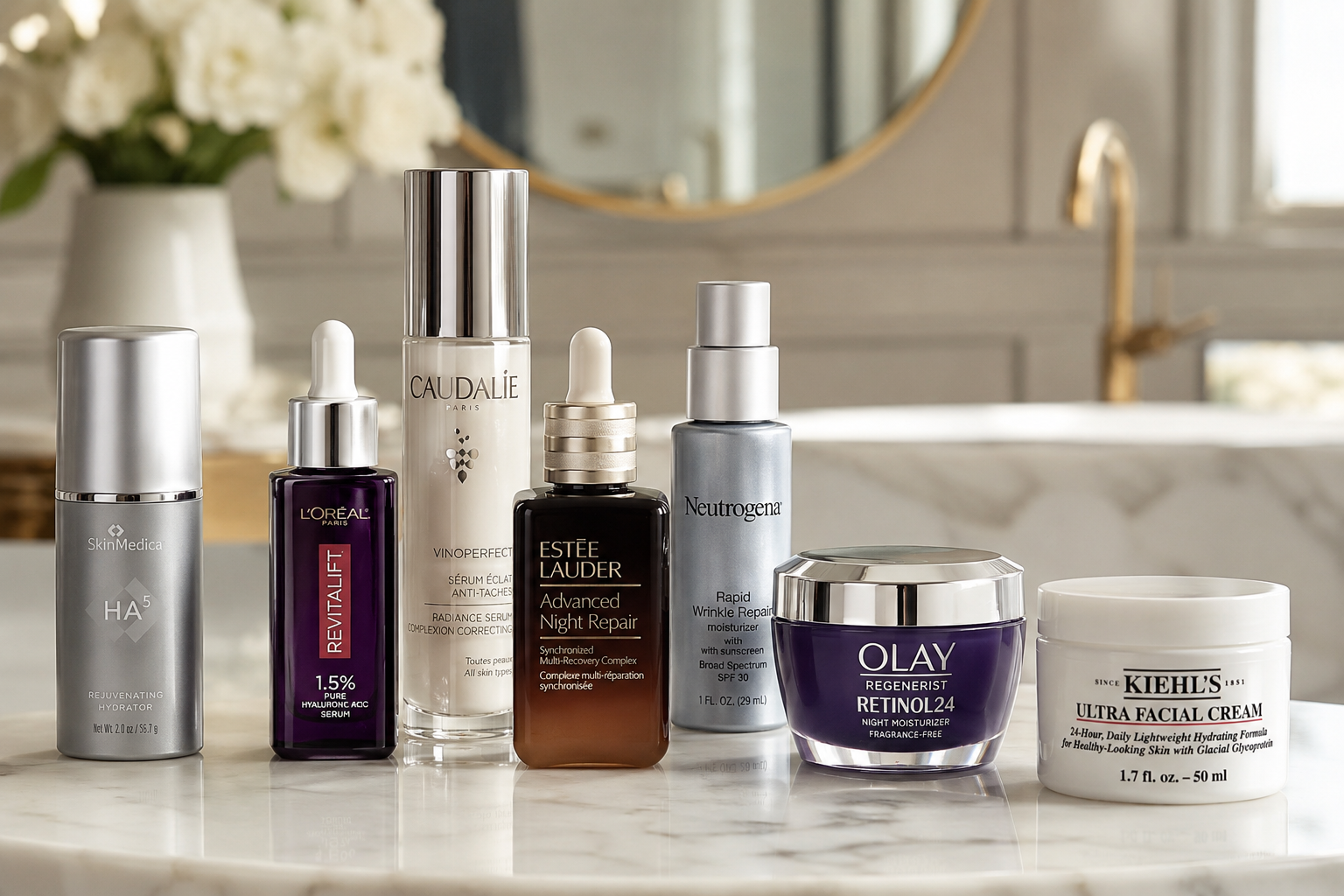
The anti-aging skincare category is where the gap between what’s claimed and what’s proven is widest, and it’s worth being clear about that upfront rather than contributing to the noise. Most products claiming to reverse signs of aging are doing something much more modest — temporarily improving the appearance of the skin through hydration or light-reflecting particles while the marketing implies a structural intervention that isn’t happening. That’s not necessarily bad. Looking better is a reasonable goal. But it’s different from what most of the language suggests.
The products that actually produce measurable changes to skin structure and long-term appearance exist, and the evidence for them is solid. They’re not always the most expensive products on the market — and some of them are among the least expensive. The difference between the products that have genuine evidence behind them and the ones that have compelling before-and-after photos is the thing this post is trying to make clear.
Products
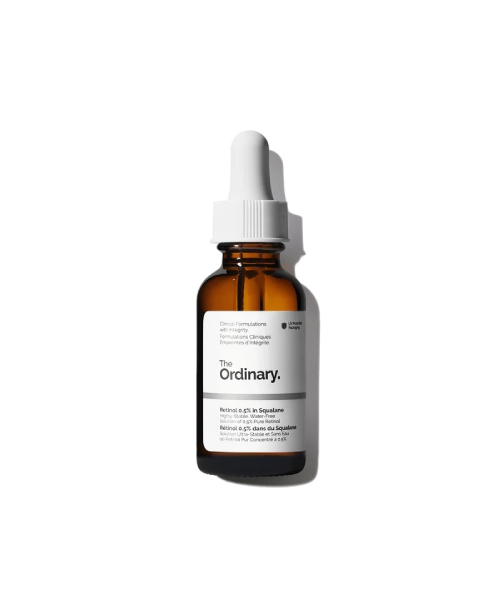
Retinol is the ingredient with the most robust evidence base in topical anti-aging skincare. It increases cell turnover, stimulates collagen production, and visibly improves skin texture and fine lines with consistent use over three to six months. The Ordinary’s version is suspended in squalane — a lightweight oil that minimizes the irritation and dryness that retinol can cause — at a concentration that’s effective without being so strong that it requires a dermatologist prescription.
- Price: $9.90 / £8.50
- Available at: The Ordinary (theordinary.com), Boots, Sephora, ASOS
- Best for: Introduction to retinol at an accessible price — effective, evidence-backed, and well-tolerated compared to higher concentrations
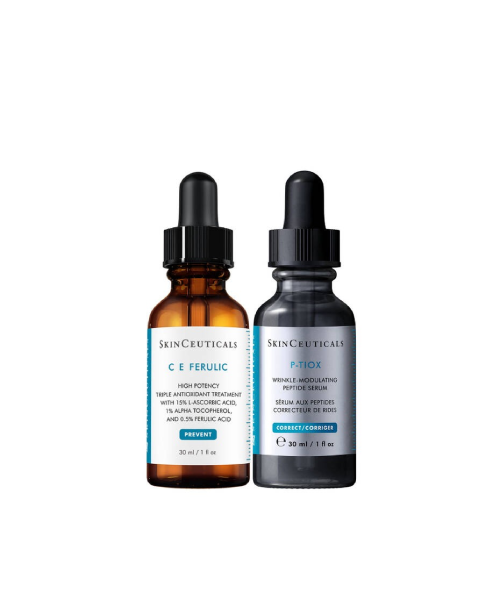
The vitamin C serum with the most evidence behind it in the category. The specific combination of L-ascorbic acid at 15% with vitamin E and ferulic acid produces a synergistic effect where each ingredient enhances the stability and efficacy of the others. The result is genuine photoprotection and brightening that other vitamin C products — including many at higher prices — don’t replicate because they use inferior vitamin C derivatives or unstable formulations.
- Price: $185 / £155
- Available at: SkinCeuticals (skinceuticals.co.uk), dermatology clinics, select retailers
- Best for: The vitamin C investment for those who want genuine antioxidant protection and evidence-backed brightening — worth the price for daily morning use
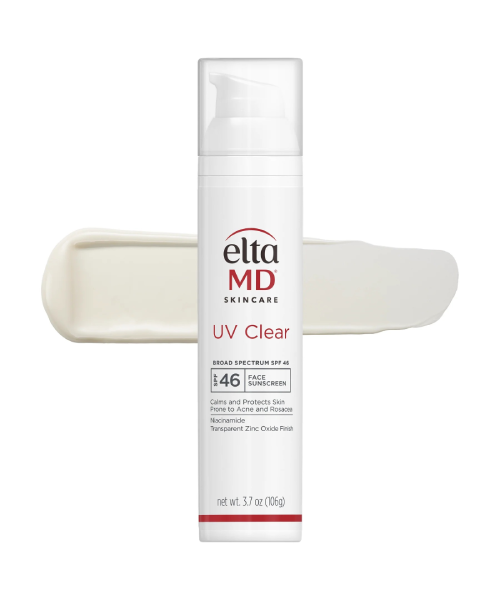
Daily SPF is the anti-aging product with the most unambiguous evidence behind it — not because it reverses existing damage but because it prevents the UV exposure that causes approximately 80% of visible skin aging from accumulating further. EltaMD’s UV Clear formula is specifically formulated for acne-prone and sensitive skin as well as general daily use, and it doesn’t pill under makeup in the way many SPF formulas do.
- Price: $39 / available in US; international via retailer
- Available at: EltaMD (eltamd.com), Dermstore, SpotLyte
- Best for: Daily broad-spectrum SPF that goes on cleanly, works under makeup, and provides the UV protection that is genuinely the most important anti-aging intervention available
The Evidence Hierarchy in Skincare
Understanding which ingredients have genuine evidence and which have compelling marketing but limited proof changes how you approach anti-aging skincare purchasing completely.
Retinoids — the vitamin A family, including retinol, retinaldehyde, and prescription tretinoin — have the most robust evidence base of any topical anti-aging ingredient. Decades of research, including genuine randomized controlled trials, have documented their ability to increase cellular turnover, stimulate collagen production, and produce visible improvement in fine lines, skin texture, and pigmentation with consistent use. The evidence is not disputed.
Vitamin C — specifically L-ascorbic acid in a stable, appropriately concentrated formulation — has solid evidence for antioxidant protection and some evidence for brightening effects on pigmentation. The evidence is less robust than for retinoids but still genuine and reproducible in well-designed studies.
Peptides and growth factors have theoretical mechanisms and some positive study results, but the evidence base is smaller, less rigorous, and often conducted by the brands selling the products. Not no evidence — but not the same weight of evidence as retinoids.
Hyaluronic acid, ceramides, and similar barrier-supporting ingredients are genuinely useful for hydration and barrier repair, but their “anti-aging” effects are primarily cosmetic — temporary improvement in the appearance of fine lines through hydration rather than structural change. Worth using, but for hydration rather than as an anti-aging treatment.
How to Use Retinol Without the Side Effects
Retinol deserves a specific section because it’s the most effective accessible anti-aging ingredient and also the one most frequently abandoned because of side effects — specifically the dryness, peeling, and temporary redness that can occur when introduced too quickly or at too high a concentration.
The approach that avoids most of this: start at the lowest effective concentration (0.1% to 0.3% for most people), use once or twice a week initially rather than nightly, apply only to skin that’s already been cleansed and is fully dry (applying to damp skin increases irritation), and follow with a ceramide-containing moisturizer to buffer the retinol and support the barrier. Over four to six weeks, gradually increase the frequency as your skin builds tolerance.
Most of the negative retinol experiences that cause people to abandon it come from starting at too high a concentration or applying too frequently before the skin has adapted. The slow introduction produces the same eventual results without the disrupted skin period that makes many people give up before they see any benefit.
The SPF Argument — Why It's the Foundation, Not the Add-On
Every dermatologist says daily SPF is the most important anti-aging intervention. This advice is universally given and, based on the rate at which SPF gets used consistently, widely ignored. It’s worth making the case clearly.
UV radiation is responsible for approximately 80% of visible skin aging — not 80% of the aging that happens, but 80% of what you can see. The fine lines, the hyperpigmentation, the loss of elasticity, the change in skin texture that we associate with getting older are largely caused by accumulated UV exposure rather than chronological age itself. This is demonstrated by the dramatic difference in skin quality between sun-protected and sun-exposed areas of the same person’s body — the skin on the upper inner arm of someone who spends a lot of time outdoors looks dramatically younger than their facial skin because it has never been significantly exposed to UV.
Daily SPF 30+ (SPF 50+ for fair skin or significant outdoor time) applied every morning, every day, year-round (UV exposure happens through clouds and glass) is the intervention that slows the accumulation of that damage. Everything else — the retinol, the vitamin C, the expensive serums — is addressing damage that SPF would have prevented or is supplementing protection that SPF is providing. SPF first, everything else after.
Conclusion
Anti-aging skincare that actually works is built on a small number of evidence-backed interventions used consistently rather than a large number of expensive products making claims that exceed what the evidence supports. Daily SPF 50+ is the foundation and prevents the UV damage that causes most visible aging. Retinol or retinaldehyde used consistently produces genuine structural changes to skin over months of use. Vitamin C in a stable, appropriately formulated version provides antioxidant protection and brightening. Everything else is either supportive — barrier repair, hydration — or in the genuinely questionable category where the evidence is thinner than the marketing suggests. Spend the money where the evidence is strongest, use products consistently rather than switching frequently, and give any new ingredient at least three months before evaluating whether it’s working.

