
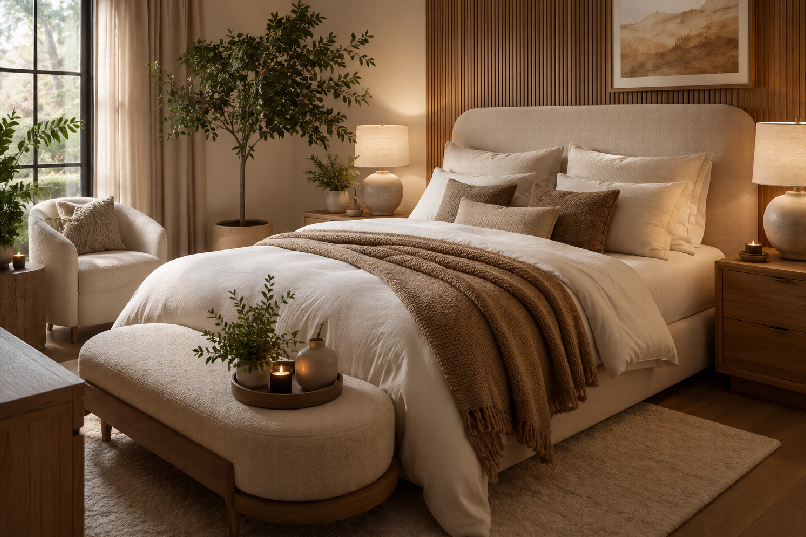
The bedroom should be the room in the house that feels most fully yours. Not the most public, most styled, most photographable — the most genuinely restful and personal. And yet in most homes it’s the room that gets the least design attention, partly because guests rarely see it and partly because the priorities of a home typically focus on the shared spaces first. The result is that bedrooms in most homes are functional rather than restorative — places where sleep happens, not places where you feel genuinely restored by being in them.
The difference between a bedroom that functions and a bedroom that restores comes down to a small number of things. Light. Textile quality. A degree of deliberate simplicity that prevents visual noise from getting in the way of rest. None of this requires a renovation or a significant budget. Most of it requires a few specific decisions and a willingness to take some things out of the room as much as put new things in.
Products
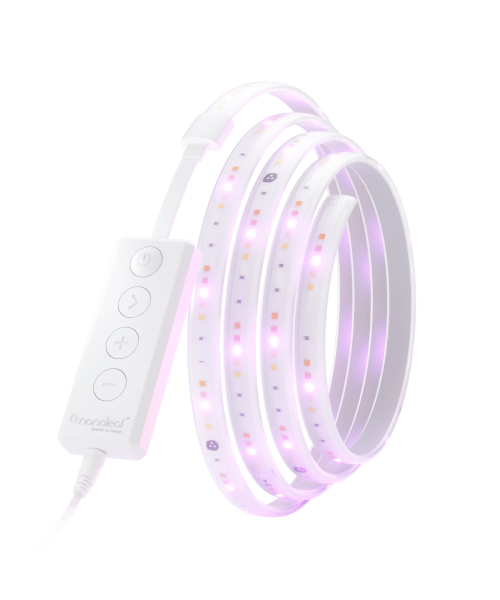
Nanoleaf’s Lines product is the indirect lighting solution for bedrooms — the light strips install behind headboards, under bed frames, or along ceiling edges to create ambient backlighting that makes a bedroom feel atmospheric rather than flatly lit. The warm white setting at low brightness is the evening bedroom lighting that promotes rest. The smart controls allow scheduling the lights to dim automatically at the time you want to start winding down.
- Available at: Nanoleaf (nanoleaf.me), Best Buy, Amazon, Apple Store
- Best for: Ambient bedroom lighting behind the headboard or around the bed frame — the lighting that makes a bedroom feel like a retreat rather than a room with a bed in it
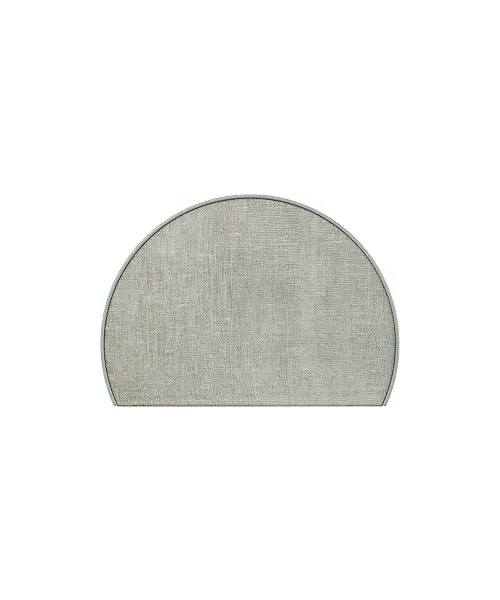
Hatch makes the smart alarm clock for those who find standard alarm sounds a jarring way to start the day. The Restore 2 uses a sunrise simulation that gradually brightens from darkness to a warm daylight simulation over 30 minutes before the set wake time, allowing the body to begin the natural waking process before the alarm sounds. The sound machine feature — with a genuinely good library of sleep sounds including brown noise, rain, and ambient sounds — improves sleep onset without requiring a phone near the bed.
- Available at: Hatch (hatch.co), Target, Amazon, Best Buy
- Best for: Those who want to improve sleep onset and morning waking quality — specifically useful for light sleepers, parents with young children, and anyone whose alarm start is genuinely unpleasant
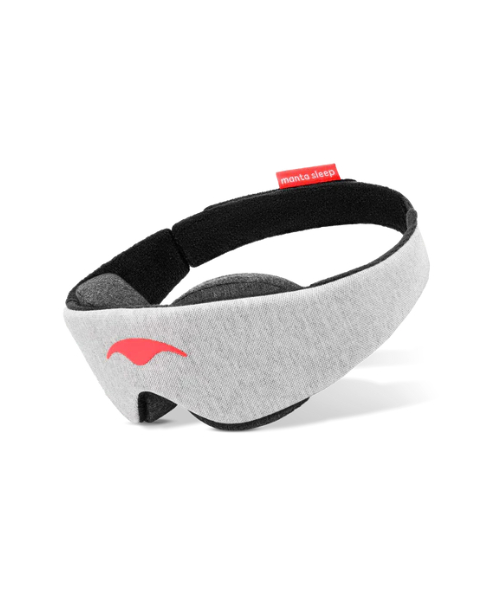
Manta produces sleep masks specifically designed around two problems that most sleep masks have: they press against the eyelids, which is uncomfortable and disrupts REM eye movement, and they let in light around the edges rather than providing genuine blackout. Manta’s modular eye cup design creates a dome over each eye that blocks light completely without touching the eyelid, providing the total darkness that genuinely improves sleep quality in any light-affected bedroom.
- Available at: Manta Sleep (mantasleep.com), Amazon
- Best for: Those who sleep in any bedroom with light intrusion — street lights, early morning sunlight, or a partner’s reading light — who want complete darkness without the discomfort of standard sleep masks
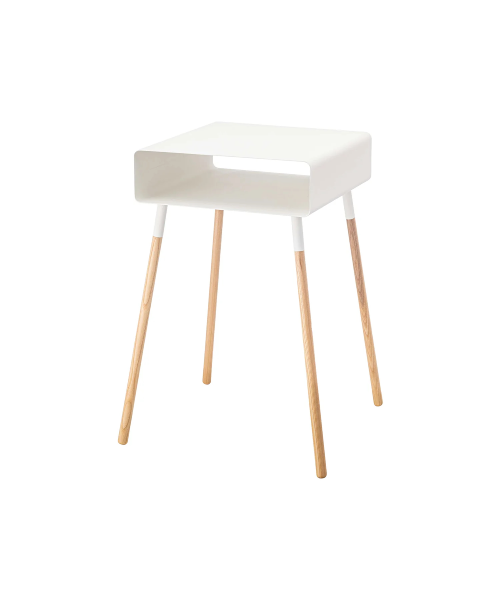
Yamazaki’s bedside storage solutions — specifically their minimalist bedside shelf with integrated phone charging or their over-bed storage system — solve the specific problem of nightstand space that’s always insufficient for what actually accumulates there. The steel and wood design is clean enough for a bedroom aesthetic and functional enough to genuinely address the charging, reading material, and incidental items that every bedside accumulates.
- Available at: Yamazaki Home (yamazakihome.com), Target, Amazon
- Best for: Organizing the bedside area without adding bulk — the storage that creates a tidy, functional bedside without requiring a large nightstand
The Bedroom Light Situation
Bedroom lighting is the variable with the most direct impact on both sleep quality and how the room feels at different times of day, and it’s the variable most consistently handled wrong in most bedrooms. The issue is almost always the overhead light — a single fixture that provides uniform, flat illumination from directly above, which is the specific light environment that inhibits melatonin production and makes falling asleep harder, while also making the room feel institutional rather than restful.
The bedroom that promotes rest has layered lighting rather than a single overhead source. The overhead light is for getting dressed and finding things — it’s needed occasionally and should be controllable through a dimmer. The primary evening light comes from lamps at beside level and from ambient sources like behind-headboard light strips or floor lamps in corners — warm, low-intensity, pointed away from the bed rather than at it.
The Nanoleaf Lines installed behind a headboard provide exactly this. The backlight creates a warm glow that defines the bed as the focal point of the room while providing the ambient light level that supports wind-down without the direct overhead light that works against it. Combined with a warm-bulb bedside lamp, this creates the bedroom lighting environment that most people are describing when they say a bedroom feels cozy.
The Sleep Quality Case for a Proper Sleep Mask
The evidence for total darkness during sleep is actually fairly robust. The specific mechanism is that even low-level light entering the visual system during sleep suppresses melatonin production and reduces the proportion of deep sleep in the sleep cycle. Light from streetlamps outside, from phone chargers, from the early morning sun in summer — these have measurable effects on sleep quality even when the eyes are closed, because light detection occurs through the eyelids.
Standard sleep masks address this inadequately. The flat-against-the-eyes design is uncomfortable enough that many people find themselves adjusting or removing it during the night, defeating the purpose. The fabric-against-eyelid contact also restricts REM eye movement in ways that aren’t comfortable for extended sleep.
The Manta’s dome design solves both of these problems simultaneously. The cup structure over each eye creates complete darkness without touching the eyelid, allowing natural REM movement and eliminating the discomfort that causes most people to discard sleep masks within a week of buying them.
The Textile Foundation of a Cozy Bedroom
The bedding is the single most visible element of a bedroom after the furniture itself, and the quality of what you sleep in affects daily experience in a way that most other bedroom decisions don’t. The specific qualities that make bedding genuinely cozy: fabric weight that’s appropriate for the season (too light means cold, too heavy means overheating, both disrupt sleep), texture that feels soft against skin without being slippery or synthetic-feeling, and enough quality in the construction that it holds up through the regular washing that bedroom textiles require.
The simplest version of a cozy bedroom textile situation: white or near-white bedding in cotton or linen, a throw at the foot of the bed for visual texture and additional warmth, and curtains that are long enough (floor-length, hung high) and heavy enough (lined linen or velvet) to block light and add visual warmth to the space. This is not expensive to achieve with the right sources and the patience to find good pieces rather than buying everything from one convenient source.
What to Take Out of the Bedroom
The cozy bedroom is as much about what’s removed as what’s added. The television — the most significant single barrier to the bedroom functioning as a restful space. Work materials — the specific signal to the brain that this space is for productivity rather than rest. Exercise equipment — the guilt object that reads as obligation rather than invitation. Excessive surface clutter — the accumulated items that create visual noise without adding anything to how the room feels.
The bedroom that’s used only for sleep, reading, and rest behaves differently from the bedroom that also serves as an office, a gym, and an entertainment room. The brain associates spaces with activities through repeated use, and a bedroom used for multiple active purposes develops weaker sleep-association signals than one that’s kept consistently as a rest space.
Conclusion
A cozy, restful bedroom comes from a small number of right decisions consistently applied rather than from significant investment in renovation or expensive furnishing. Nanoleaf’s Lines provide the ambient backlighting that makes a bedroom feel atmospheric rather than clinical. Hatch Restore 2 transforms the morning waking experience and provides the sleep sounds that improve onset for those who need them. Manta’s sleep mask delivers the total darkness that supports deep sleep without the discomfort that causes most sleep masks to end up in a drawer. And Yamazaki’s bedside storage solves the specific clutter problem that undermines the calm bedroom aesthetic. Add warm lighting, quality bedding in natural fibers, curtains that hang floor-to-ceiling, and a disciplined approach to what gets to live in the bedroom, and the space genuinely becomes the retreat it’s supposed to be.

