Reading recommendations are one of those things that should feel personal but often feel generic. The “books every woman should read” lists that appear everywhere tend to include either the same canonical titles that have appeared on these lists for decades or whatever has been most aggressively publicized in the past six months. Neither approach is particularly useful if you’re someone who actually reads and wants to find the next thing that’s going to stay with you.
What follows is a mix — fiction that does something more than plot, nonfiction that changes how you think about something specific, wellness and health reading that’s evidence-based rather than aspirational, and memoir that earns its intimacy through quality of observation rather than just disclosure. The thread connecting all of them is that they’re worth the time they take, which is the only honest recommendation criterion.
Products
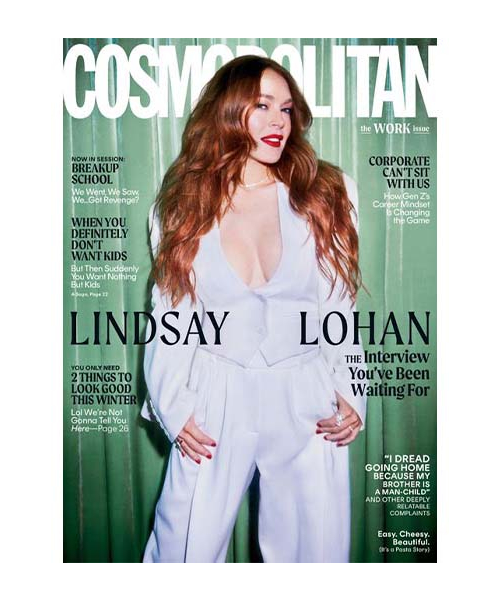
Cosmo’s digital subscription provides access to the full Cosmo archive alongside current issues, features, and the specific Cosmo Health and Wellness content that has expanded significantly in the past few years toward genuine evidence-based health journalism rather than purely trend-driven content. The digital format means access across devices and the ability to save and annotate content in a way that a physical magazine doesn’t allow.
- Available at: Cosmo (cosmopolitan.com)
- Best for: Those who want a broad range of women’s lifestyle content — fashion, health, culture, relationships — in a curated format with both current and archived content
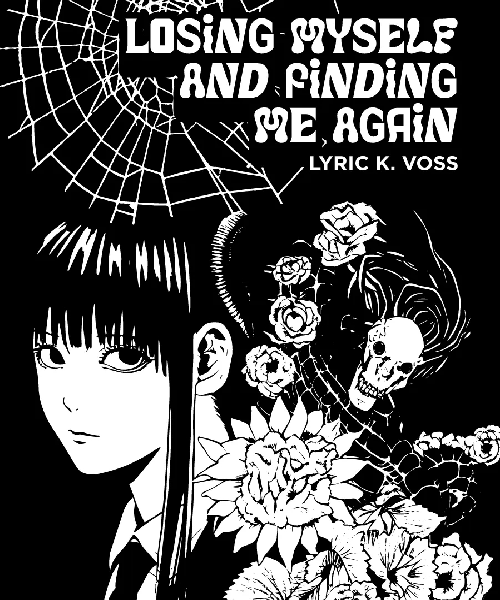
Kittl’s design templates include reading journal formats — the specific tool for those who want to keep track of books read, notes on what mattered, quotes worth returning to, and the kind of organized reading record that transforms reading from a passive activity into something more active and retentive. A well-designed reading journal makes re-finding specific insights from books read months ago straightforward rather than requiring re-reading.
- Available at: Kittl (kittl.com)
- Best for: Building a personal reading record that makes the books you read more useful over time — the organizational tool for those who read with intention
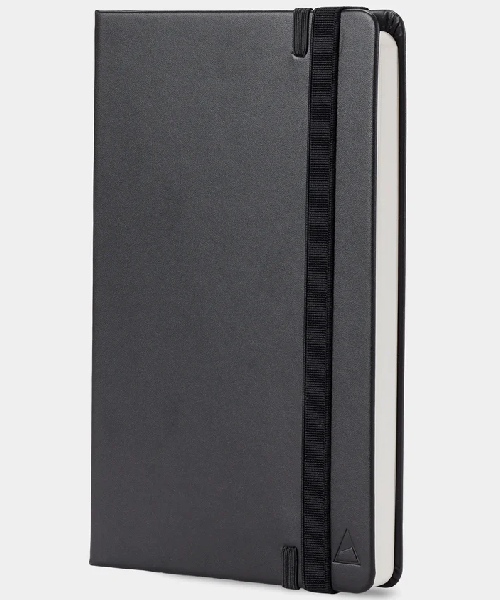
Nomatic applies their minimalist, functional design to stationery with a slim notebook that’s genuinely designed for use rather than for display — the cover is durable, the binding lays flat when open, the paper weight is right for most writing instruments without bleed-through, and the format is slim enough to travel easily in any bag. For readers who annotate, take notes, or maintain reading journals by hand, the quality of the notebook matters more than it seems like it should.
- Available at: Nomatic (nomatic.com)
- Best for: Note-taking, reading journals, and any handwritten record-keeping for those who want a functional, durable notebook that’s designed to be used rather than displayed
Fiction Worth Reading in 2026
The fiction that earns the most consistent recommendation in 2026 shares certain qualities. It takes the experiences of women seriously as literary material rather than treating them as context for other things. It doesn’t resolve into easy comfort at the expense of honesty. It uses language with enough precision and care that the prose itself is worth reading rather than just the story. And it offers a perspective that isn’t the one you already have — that makes you understand a different way of being in the world through the specific intimacy that good fiction allows.
Several authors whose recent or current work deserves attention: Sigrid Nunez, whose novels about grief, art, friendship, and aging are among the most psychologically precise being written in English. Rachel Cusk’s Outline trilogy, which has redefined what a novel can do with interiority and observation. Percival Everett, whose work has finally received mainstream recognition after decades of brilliant, formally adventurous novels. And for those who want plot alongside literary quality, Hernan Diaz’s work operates at both levels simultaneously.
The specific reading recommendation if you want one book: anything by Marilynne Robinson, starting with Gilead, whose prose and moral seriousness produces an experience that most other contemporary fiction doesn’t come close to.
Nonfiction Worth Reading in 2026
The nonfiction category where the most genuinely useful reading for women exists right now is the intersection of health science and behavioral change — books that synthesize what’s actually known about how sleep, exercise, nutrition, and the specific female physiology interact, written by people with genuine scientific credentials rather than wellness influencer credentials.
Matthew Walker’s Why We Sleep remains the clearest lay explanation of why sleep quality matters more than most people act like it does. Mary Claire Haver’s The New Menopause addresses the medical information gap around perimenopause and menopause with genuine clinical expertise and useful specificity. And Stacy Sims’ Roar is the best resource currently available for women who want evidence-based guidance on nutrition and exercise specifically designed for female physiology rather than scaled-down male physiology research.
For nonfiction that’s less health-focused and more broadly engaging: Lessons in Chemistry by Bonnie Garmus deserves its popularity for reasons that go beyond the plot description. Caleb’s Crossing by Geraldine Brooks is the historical fiction that reads as the best nonfiction you’ve read in years.
The Reading Habit Question
The books worth recommending don’t matter much if the reading habit isn’t there to read them. The reading habit question is worth addressing specifically because many people who describe themselves as readers who have stopped reading consistently are not people who lost the desire but people who lost the time and the specific conditions that reading requires.
Reading needs a particular kind of attention — not the fragmented, interruptible attention that most of daily life operates on, but a sustained, non-multitasking attention that screens actively compete against. The specific competitor for reading time that has displaced it most significantly is the phone — the same device that could be used to read is the device being used for everything else instead.
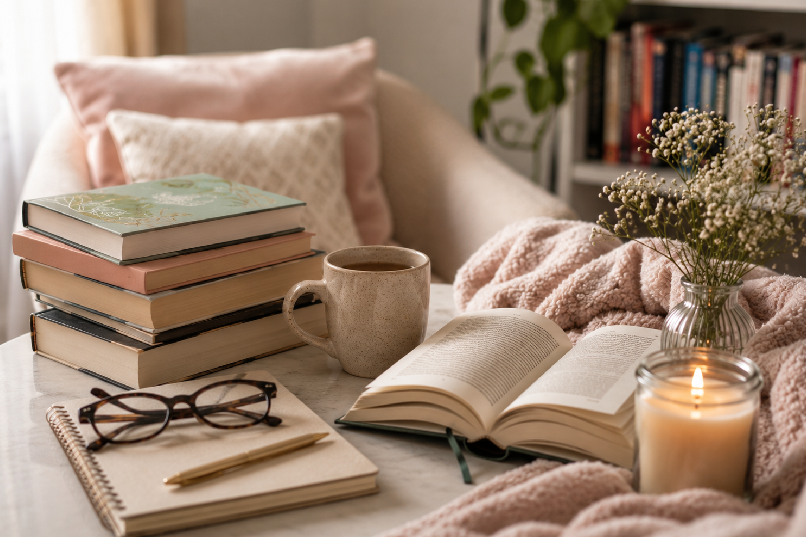
The change that produces the most consistent recovery of the reading habit is not a productivity strategy. It’s a sensory ritual — the specific combination of comfortable environment, appropriate light, absence of phone, and the candle or tea or whatever marks this as a different kind of time. The Lineage Provisions reading candle is in that category — the specific sensory signal that says this time is different from other time.
Books as Gifts
Books are the gift that most consistently underperforms as a gift when chosen generically and most consistently moves the recipient when chosen specifically. The book given because you loved it and thought specifically of this person when reading it — that’s a gift. The book given because it appeared on a bestseller list and seemed appropriate — that rarely is.
The most generous book gift is usually accompanied by a note about why this book, for this person, at this time. The specificity of the recommendation is what makes it feel personal rather than like a default.
Conclusion
Books worth reading are worth reading for reasons specific to each book, not because they appear on a list. The Cosmo digital subscription brings broad women’s lifestyle content in an accessible, searchable format. Kittl’s reading journal template makes the reading record that transforms consumed books into retained knowledge. The Lineage Provisions reading candle creates the sensory ritual that marks reading time as distinct from scrolling time. And Nomatic’s notebook is the functional, travel-ready tool for those who think and process through writing rather than purely through reading. The books themselves — the ones that stay with you, that change how you see something, that you press into the hands of people you care about — are the point. Everything else supports the practice of finding and spending time with them.

