
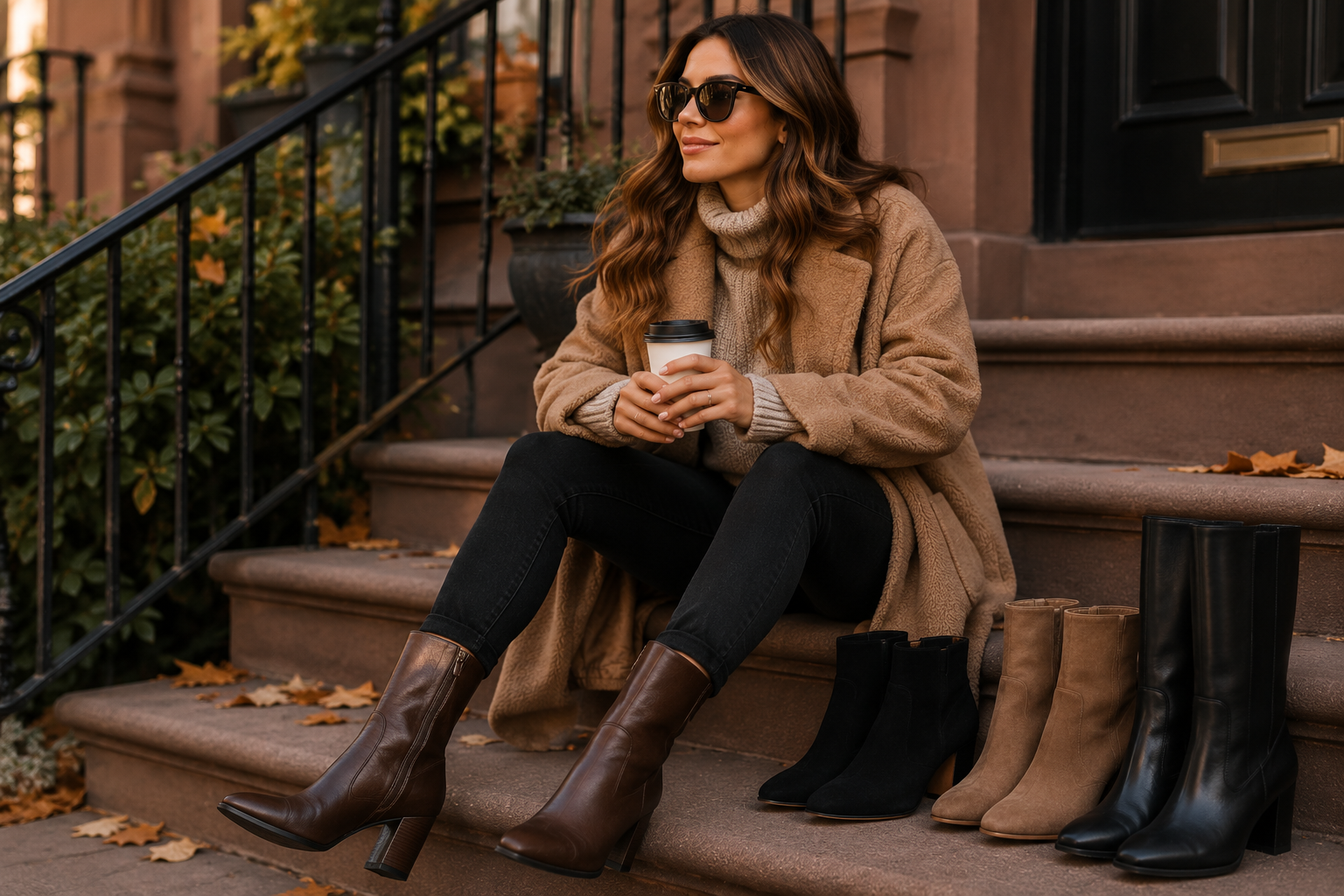
Boots are the footwear category where the quality gap between good and mediocre is most immediately felt in daily use. A shoe that’s slightly wrong is uncomfortable. A boot that’s slightly wrong is uncomfortable every day for six months, which compounds in a way that’s genuinely worth thinking carefully about before spending money. The leather that cracks by February. The heel that starts clicking and loose by November. The sole that loses its grip on wet surfaces the first time it rains. These are not abstract concerns — they’re what happens when boots are chosen on aesthetics alone without thinking about construction.
The boots below are the ones that have earned their place in the rotation through actual use across actual seasons, not just through looking right in a product photo.
Products
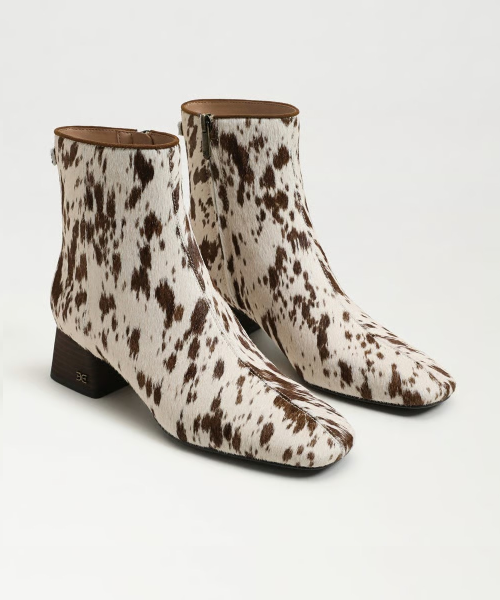
Sam Edelman produces the most consistently excellent accessible-priced ankle boot available. The leather quality is above the price point, the block heel is the right height to be comfortable for all-day wear, and the fit through the ankle is true to size in a way that makes online purchasing reliable. These hold up through a full season with basic care.
- Price: $99–$129
- Available at: Sam Edelman (samedelman.com), ASOS, Nordstrom, in stores
- Best for: The everyday ankle boot that looks polished without being precious — genuinely comfortable for a full day on your feet
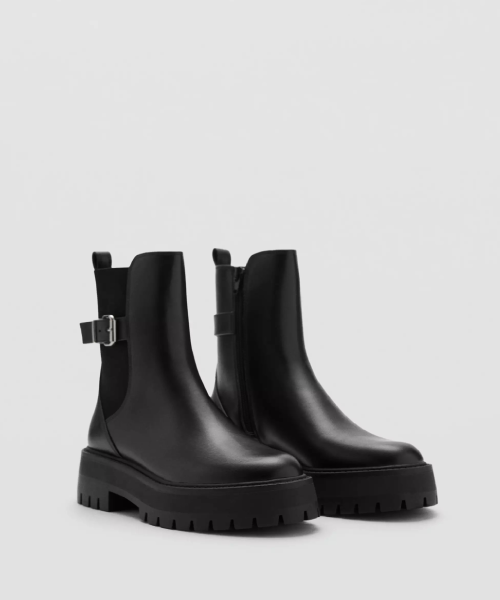
Chelsea boots are the boot silhouette with the longest staying power because the design is so elemental — no lacing, no zipping, just the elastic gusset and the pull tab. Mango’s leather version does this correctly at a price point that removes the anxiety of daily use in actual weather.
- Price: $149
- Available at: Mango (mango.com), in stores
- Best for: The casual to smart-casual boot that works with jeans, midi dresses, wide leg trousers, and most autumn and winter outfit combinations
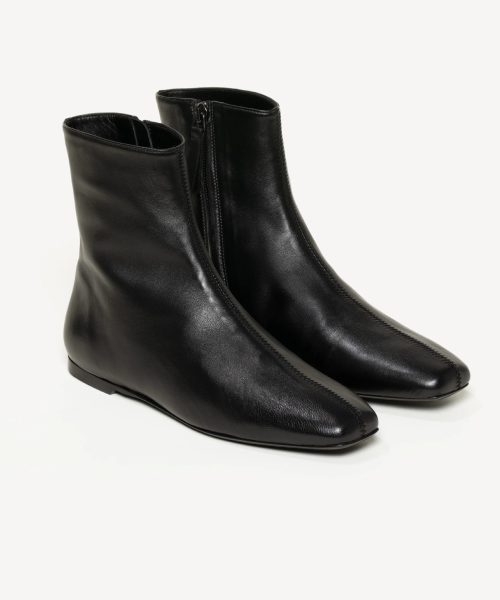
M.Gemi produces Italian-made leather boots through a direct-to-consumer model that removes the markup, resulting in genuinely quality Italian leather boots at prices that would be impossible through traditional retail. The Lustro is the knee-high that’s proportioned correctly for most leg lengths.
- Price: $298
- Available at: M.Gemi (mgemi.com), in stores in New York and Los Angeles
- Best for: Those who want a genuine leather knee-high boot made in Italy at an accessible luxury price point
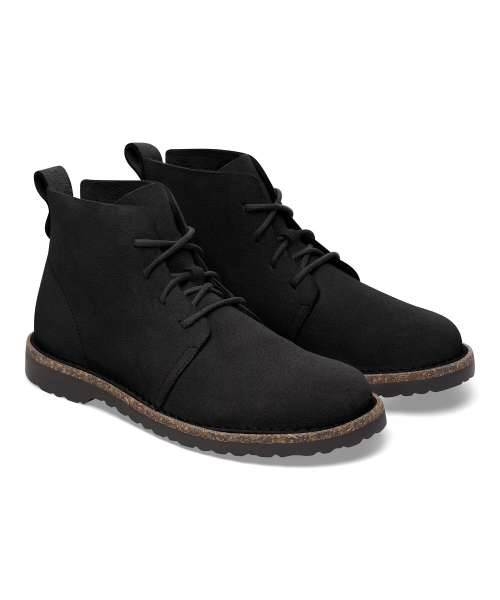
Birkenstock has expanded into boots and brought the same footbed technology that makes their sandals genuinely comfortable into a closed-toe, cold-weather format. The grip sole handles wet surfaces in a way that most fashion boots don’t, and the footbed provides the support that most boots don’t.
- Price: $230
- Available at: Birkenstock (birkenstock.com), ASOS, Nordstrom
- Best for: Those who prioritize foot health and all-day comfort in a boot that also looks good — the fashion boot that doesn’t sacrifice the body for aesthetics
Why Boots Are Worth Spending More On
The math on boots is even more compelling than the math on coats. A boot worn from October through March — six months, roughly twenty-six weeks — in daily rotation with two or three other pairs gets worn approximately 50-70 times per season. Over five seasons, that’s 250-350 individual wearings from a single pair. At that frequency, a $300 boot that lasts five seasons costs about $0.86-$1.20 per wearing. A $90 boot that falls apart in two seasons costs about $0.26-$0.45 per wearing — but also requires replacement, with all the shopping and adjustment time that involves, and probably looks visibly worse through most of its life than the quality alternative.
The other factor that makes boots worth spending on: the construction quality that produces a well-made boot also tends to produce one that can be resoled, reheeled, and maintained as it ages rather than simply wearing out and becoming unwearable. A leather boot with a leather sole can visit a cobbler when the heel starts to wear and come back as good as new. A synthetic boot with a glued-on sole cannot. The resoleable boot is a fundamentally different purchase proposition — it’s something you buy once and maintain, rather than something you buy, wear out, and replace.
Ankle Boot, Chelsea Boot, or Knee-High
These three are the primary boot formats in a functional cold-weather wardrobe and they serve slightly different purposes.
The ankle boot is the most versatile — it works with jeans, with midi skirts, with wide leg trousers, with casual dresses, with most things in an everyday wardrobe. The specific cut that works best for most outfits is a pointed or almond toe rather than a square or round toe, because the pointed toe creates a visual line that works with more trouser and skirt lengths. A block heel of two to three inches is the comfort sweet spot — enough height to be interesting and to work with more outfit proportions than a completely flat boot, not so much height that all-day wear becomes uncomfortable.
The Chelsea boot is the ankle boot’s simpler sibling — no heel variation, no toe shape variation, just the elastic gusset and pull tab in different leather qualities and slightly different proportions. The flat Chelsea is the practical everyday boot. A low block heel Chelsea reads as slightly more considered. Both are worth knowing.
The knee-high is the boot that most dramatically changes the feel of an autumn or winter outfit — a midi skirt with knee-high boots is a completely different visual than the same skirt with ankle boots or flats. The limitation is fit: knee-high boots need to fit through the calf as well as the foot, which is where most knee-high boot purchasing goes wrong. Brands like Duo Boots and others that offer variable calf widths solve this problem that most standard knee-high boots create.
Leather Quality and What to Look For
The leather quality of a boot determines primarily how it ages and how it responds to weather. Full-grain leather — the top layer of the hide with the grain structure intact — is the highest quality and the most durable. It develops a patina with wear that makes it more beautiful over time. Corrected-grain leather has had the surface sanded and covered with a coating — it looks more uniform when new but doesn’t develop patina the same way and tends to crack rather than age. Bonded leather is reconstituted leather scraps pressed together and is essentially indistinguishable from pleather in terms of durability and behavior.
Reading the label tells you which you’re buying. “Leather upper” without specification usually means corrected grain. “Full grain leather upper” tells you you’re getting the real thing. “Leather” on anything under $80 usually means bonded leather regardless of what the label says.
Caring for Boots So They Last
Leather boots need minimal but consistent care: a waterproofing spray applied before the first wear and at the start of each season, conditioning treatment two or three times per season to maintain the leather’s flexibility, cedar shoe trees to maintain the shape when not being worn, and genuine leather cleaner rather than water or household cleaners for any stains.
The waterproofing step is the most important one that most people skip. A leather boot that’s been waterproofed repels water rather than absorbing it, which means it dries quickly, doesn’t develop water stains, and maintains the leather’s integrity through wet weather. A boot that hasn’t been waterproofed absorbs water, takes days to dry properly, and develops the cracking and staining that makes leather boots look old before their time.
Conclusion
Boots are the cold-weather footwear purchase that rewards the most thought and the most investment because they’re worn the most frequently and do the most work in defining how an autumn and winter wardrobe reads. Sam Edelman produces the most reliable accessible ankle boot available at the price — consistent leather quality, comfortable block heel, true sizing. Mango’s leather Chelsea is the simple everyday boot done correctly at an accessible price. M.Gemi brings genuine Italian leather quality to knee-high boots at prices that the direct-to-consumer model makes possible. And Birkenstock’s expansion into boots brings the footbed comfort that the brand is known for into cold-weather footwear for those who won’t sacrifice comfort for aesthetics. Buy the ones that match what you actually wear in autumn and winter, care for them properly, and they’ll carry you through multiple seasons without needing to be replaced.

