
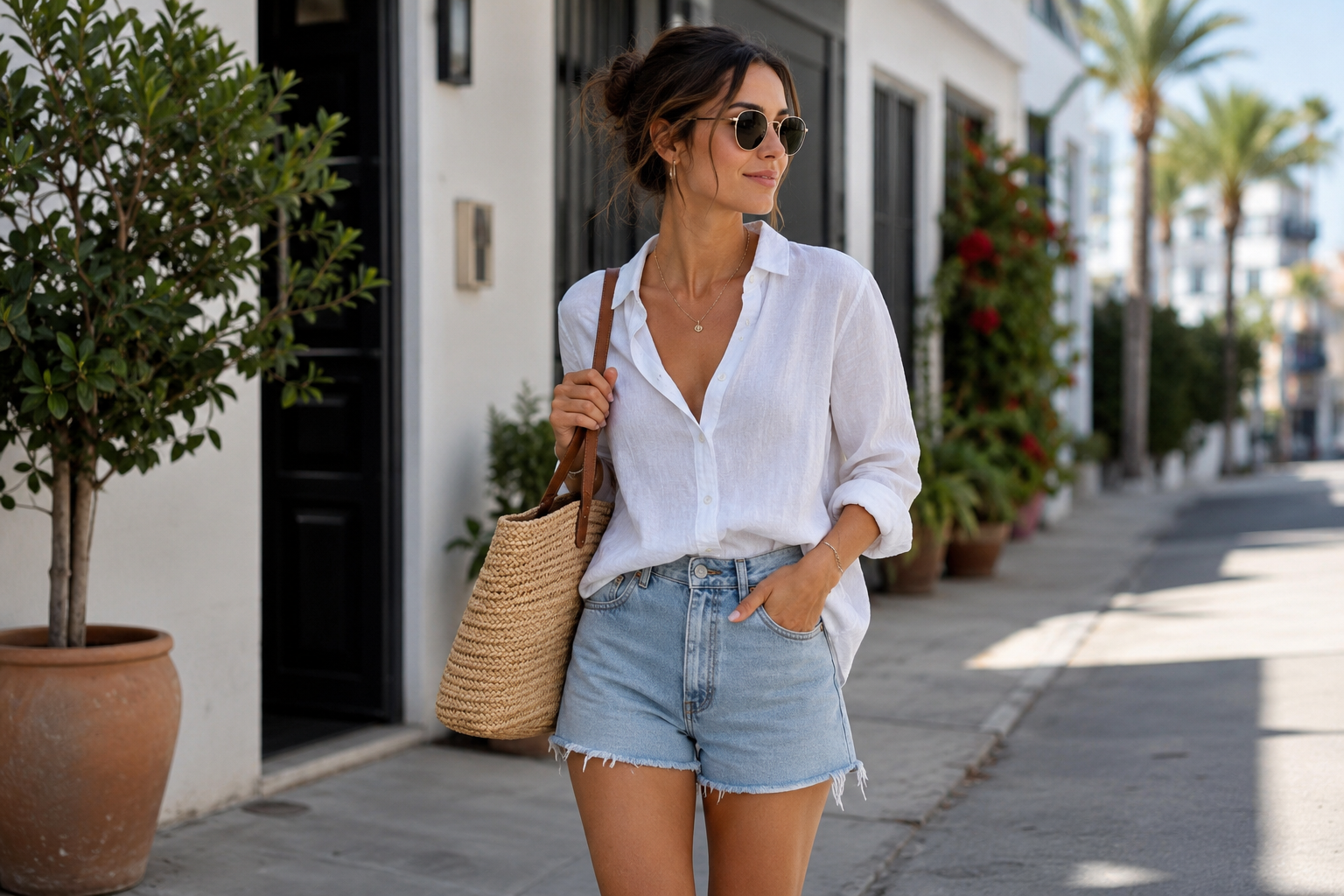
Summer dressing should be the easiest thing in the world. Warm weather, fewer layers, simpler decisions. But somehow every June I find myself standing in front of my wardrobe at 8am with a full day ahead — dogs waiting by the door, a list of errands already forming — and nothing feels right. Too heavy. Too formal. Too much fabric for the kind of heat that’s been rolling through lately.
I’ve finally figured out what actually works. Not what looks good on someone with perfect lighting and nowhere to be, but what holds up on a real day when you’re at the park before 8, grabbing coffee at 9, running around until noon, and you want to feel like yourself through all of it without changing in the middle. These are the combinations I actually reach for. The pieces I come back to. The outfits that have survived contact with real summer life and come out looking like I tried.
Products
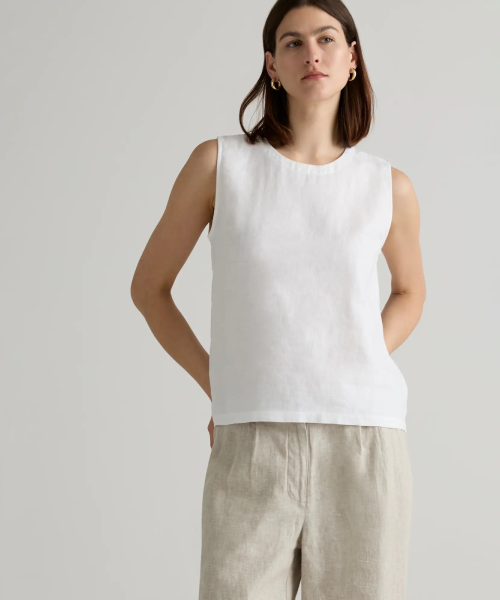
Quince goes directly to the manufacturer which is how they sell a genuine pima cotton ribbed tank at a price that feels wrong. The weight is right for summer — real enough to look like a garment, light enough to wear all day. I have four of them and they’re in constant rotation from June through September.
- Price: $14.90
- Available at: Quince (onequince.com)
- Best for: The base layer of almost every casual summer outfit — worth buying in at least three colors
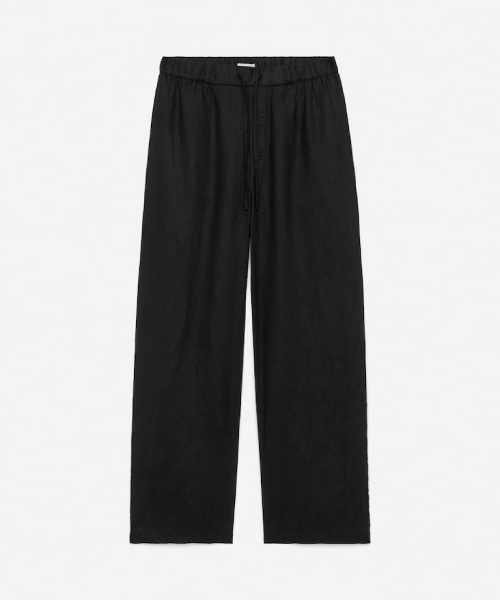
High-waisted, medium-weight linen that creases without collapsing. The fit through the seat is what makes these work — not tight, not loose, just intentional. I bought a second pair after wearing the first ones three times a week all summer.
- Price: $89
- Available at: Arket (arket.com), in stores
- Best for: The effortless summer trouser that does most of the visual work so the rest of the outfit can stay simple
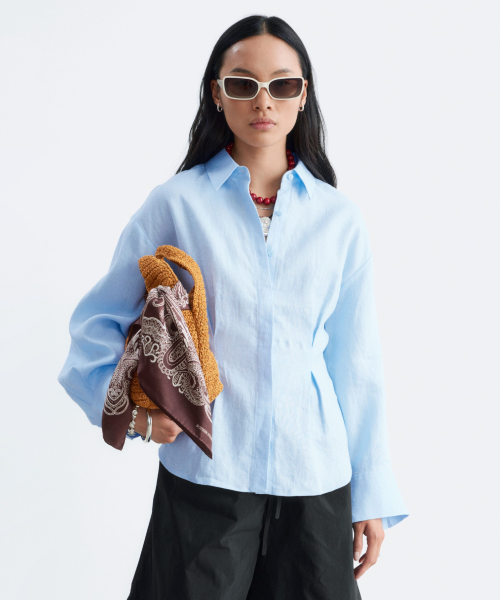
Construction is genuinely above most things at this price — seams finished properly, real buttons that sit flat, fabric weight that drapes rather than hangs. The one piece that handles every casual summer situation without requiring any decisions.
- Price: $109
- Available at: & Other Stories (stories.com), in stores
- Best for: Any hot day when you want to look intentional without actually making any decisions
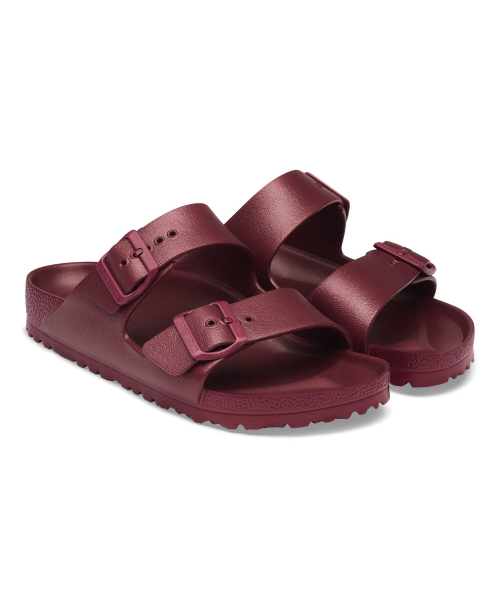
The cork footbed molds to your foot over time so these actually get more comfortable the longer you own them. The tan leather version goes with every casual summer outfit without competing with anything.
- Price: $120–$145
- Available at: Birkenstock (birkenstock.com), ASOS, Nordstrom
- Best for: Genuinely all-day flat sandal comfort that works across every casual summer outfit
Fabric First, Everything Else After
Before I talk about specific outfits I want to say something about fabric because I think it’s the most important summer dressing decision most people make without realizing they’re making it. The wrong material on a genuinely hot day ruins every other quality an outfit has. You can be wearing the most flattering silhouette you’ve ever tried and if the fabric is wrong you’ll be uncomfortable and irritated before noon.
What works in real heat: linen, cotton voile, lightweight cotton jersey, viscose with good movement. What doesn’t: polyester in anything that sits close to the skin, heavyweight denim with no give, synthetic blends that breathe beautifully in an air-conditioned shop and suffocate you the moment you step into actual sunlight.
I’d rather wear an imperfectly cut linen shirt dress than a perfectly tailored polyester one on a 35-degree day. I’ve tested this. The material is the foundation and everything else builds on top of it. Once that’s right, putting together a summer outfit stops feeling like work and starts feeling like the easy thing it’s supposed to be.
The Combination That Gets Me Through Most of Summer
The outfit I reach for more than any other across the warmer months is embarrassingly simple. A ribbed tank tucked into high-waisted wide leg linen trousers, flat leather sandals, a raffia tote or small leather crossbody. That’s the whole thing.
It works because the proportions are right and the fabrics feel good in actual heat. The ribbed texture of the tank reads as intentional rather than accidental — it’s the difference between looking like you put on an undershirt and looking like you chose what you’re wearing. Tucked into a high waist it creates a natural break in the silhouette that lengthens everything regardless of your actual proportions. The wide leg trouser then creates a relaxed, slightly elegant line from hip to floor that works across different body types in a way that fitted options often don’t.
The one thing that makes or breaks this combination is the trouser fit through the seat and hips. Loose everywhere looks shapeless. Fitted through the top half and genuinely wide through the leg looks exactly the way it should. The high waist is not optional — the whole thing depends on it. Get that right and this outfit handles more occasions than a single combination has any right to.
What I love about it most is that it doesn’t require anything extra. No third layer, no accessories beyond the bag and shoes, no jewelry that’s going to feel like too much in the heat. The outfit exists completely on its own terms and that’s what makes it so easy to reach for when you’re in a hurry.
The Linen Shirt Dress for When You Want Zero Decisions
On the days when I genuinely cannot think about getting dressed, I put on a linen shirt dress. One piece, sandals, bag, out the door. I’ve worn mine to the park, to lunch, to a friend’s garden, to a Saturday market, to a casual outdoor dinner, and it’s worked every single time without requiring me to think about whether it was appropriate.
The shirt dress format is specifically useful because it reads differently depending on very small choices you make in thirty seconds. Buttoned up with a thin belt at the waist and flat sandals — polished daytime look. Half unbuttoned over a swimsuit on the way to the water — completely fine. Unbelted and slightly open at the top with slides — casual and relaxed in the best way. The garment doesn’t change. A detail does. And the whole feeling of the outfit shifts with it.
Color matters more in a shirt dress than in a trouser or a tank because it’s a much larger expanse of fabric setting the tone for everything else. The shades that survive a whole summer of wearing and washing without looking tired: natural undyed linen, pale chambray blue, washed sage green, white. All of them pair with tan sandals and most bags without competing with anything.
Length is worth thinking about too. Mid-thigh to knee works best for genuinely casual summer days — long enough to feel comfortable, short enough to not tip into formal. Midi lengths are beautiful but they start to feel like a statement rather than a casual outfit, which isn’t always what you want when you’re just trying to get through a Tuesday.
What to Do About Denim
There’s a version of summer style advice that has written denim off entirely as too hot and I understand where that comes from but I disagree with it. The right denim piece in warm weather is one of the most useful things in your wardrobe. It just needs to be the right cut.
The casual summer denim piece worth owning is a Bermuda short. High-waisted, inseam around five to seven inches, hitting at mid-thigh or slightly above. It solves most summer casual dressing problems at once. Cool enough for real heat. Long enough to be comfortable all day without the friction that shorter inseams create. Versatile enough to work with tanks, cropped linen shirts, open button-downs, and sandals across multiple occasions without the outfit needing to change at all.
The base combination is a ribbed tank tucked in and flat sandals, which works perfectly on its own. Add an open linen shirt over the tank if the morning starts cool or you’re going somewhere with aggressive air conditioning. The Bermuda short is one of those pieces where the top half combinations are almost infinite, which is exactly what makes it worth including in a summer wardrobe that’s built around getting dressed quickly without thinking too hard.
Light wash is generally more versatile than dark wash in summer — it reads as season-appropriate in a way that dark denim sometimes doesn’t in high heat, and it photographs better in natural light which matters if you’re ever documenting a day.
The Summer Maxi — More Fabric, Actually Cooler
This took me embarrassingly long to figure out: sometimes more fabric is cooler than less. The instinct in hot weather is to cover as little skin as possible. But a lightweight summer maxi dress in a fabric that genuinely moves — cotton voile, viscose, linen blend — keeps you cooler on a very hot day than shorts and a tank because it shields your legs from direct sun exposure while the loose silhouette allows air to circulate against the skin rather than trapping heat between fabric and body.
The version that works for this is relaxed and unfitted rather than structured. Adjustable straps or a smocked elasticated top rather than a fixed rigid neckline. A skirt with enough volume that it moves away from your legs when you walk rather than dragging against them. In this format a summer maxi is genuinely the most comfortable thing you can wear on the hottest days, which is not a sentence I expected to say when I was younger and defaulting to the shortest possible option in every heat wave.
One thing to always check before buying: the fiber content label. If it says polyester as the primary material, leave it regardless of how good the silhouette looks in the product photo. It will not behave the way you want it to in actual summer heat. No amount of good design makes up for the wrong fabric on a very hot day.
The Bag That Finishes Everything
A raffia or woven straw tote changes how a casual summer outfit reads more than almost any other single accessory decision. The same tank-and-linen-trouser combination reads as purely practical with a nylon backpack. It reads as considered and intentional with a straw tote. The bag is doing more work than people give it credit for.
You don’t need to spend much on this. Mango, H&M, and Zara produce good raffia totes every summer at prices that make the decision genuinely easy. Natural material, structured enough to hold itself when you’re carrying things, big enough to fit everything you’d actually take through a full day without looking like you’re about to board a plane. That’s all it needs to be.
Building the Wardrobe
The casual summer wardrobe that actually works is not a large one. A few ribbed tanks in white and neutral shades. One good pair of wide leg linen trousers. A linen shirt dress. Bermuda denim shorts. A summer maxi for the really hot days. Flat leather sandals in tan and cream — between those two colorways you can pair with everything. A raffia tote.
Between those pieces there are enough outfit combinations for an entire summer. None of them require styling knowledge or getting dressed feeling like you’re solving a puzzle. You know what pairs with what before you open the wardrobe. You reach for things confidently. That ease of getting dressed is what a good casual summer wardrobe is actually supposed to deliver, and it comes from having the right pieces in the right fabrics rather than from having more options.
Conclusion
Casual summer dressing doesn’t have to be complicated or expensive to work. The women whose summer style I most consistently admire aren’t wearing more things than I am or more expensive things. They’re wearing fewer pieces that fit well, in fabrics that behave in real weather, in combinations they’ve worked out over time. The ribbed tank and wide leg linen trouser combination handles more occasions than any single outfit should. The linen shirt dress makes any summer day easier. The Bermuda short brings denim back into the rotation without discomfort. The summer maxi is better on the hottest days than anything with less fabric. None of it requires a fashion background or a large budget. It just requires the right pieces in the right materials, put together with a little intention. That’s genuinely all summer dressing needs to be.

