
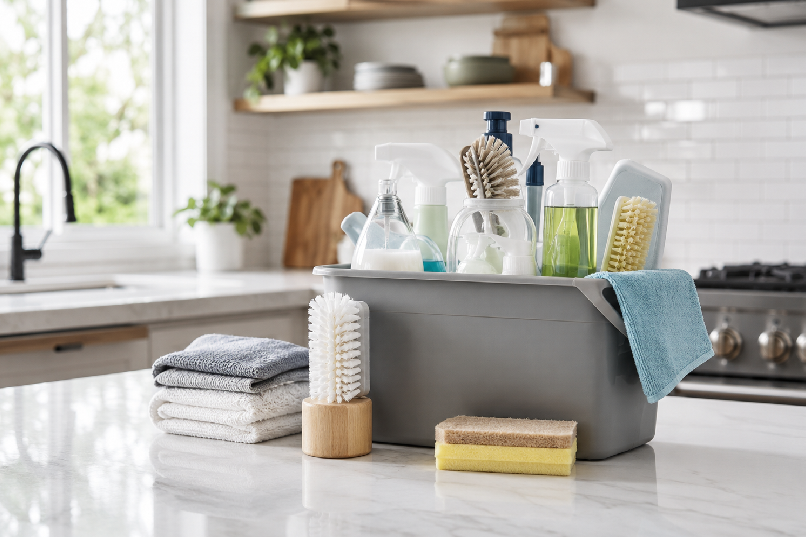
Cleaning products are the category where marketing has done the most work of separating effective from ineffective and people often can’t tell the difference until they’ve been using something for weeks and realizing the results aren’t what the product promised. The specific surface cleaner that leaves streaks on every glass surface. The grout cleaner that requires more scrubbing than a generic bathroom cleaner. The laundry detergent that claims to get things white and produces a greying that accumulates wash by wash.
The products that actually work have one thing in common: the active ingredients are present at meaningful concentrations and the delivery format allows those ingredients to contact the soiled surface long enough to work. Everything else in a cleaning product — fragrance, color, thickener, packaging — is either neutral or, in some cases, working against the cleaning performance.
Products
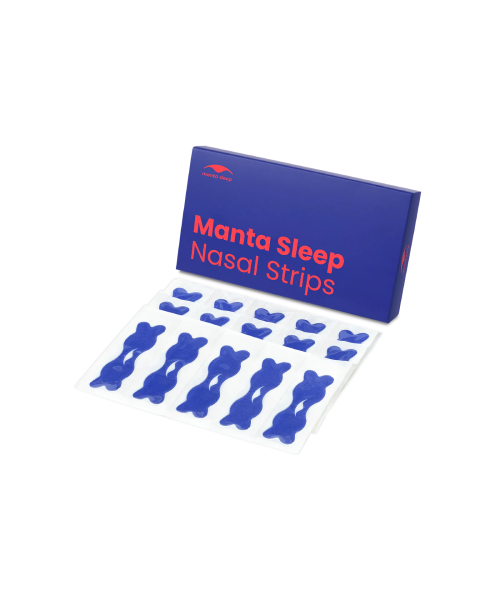
Manta, primarily known for sleep products, produces concentrated laundry strips that dissolve in water and deliver detergent without the plastic jugs that liquid detergent typically requires. The cleaning performance is comparable to standard liquid detergent and the format produces zero plastic packaging waste. The strips pack flat, which makes storage and travel significantly more practical than jugs.
- Available at: Manta Sleep (mantasleep.com), Amazon
- Best for: Those who want laundry cleaning performance without the plastic jug waste and with a more convenient storage and travel format
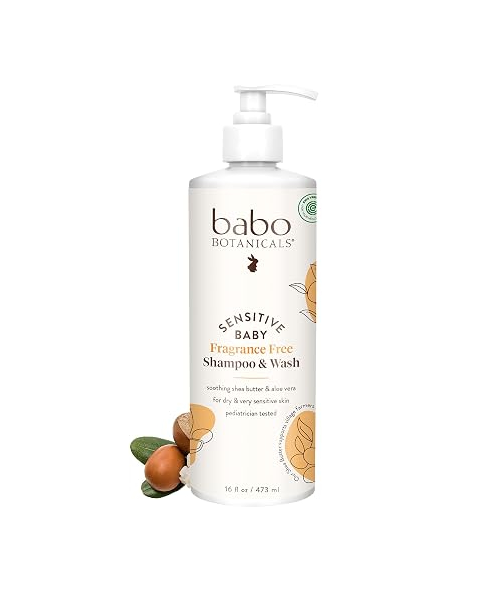
Babo Botanicals extends their clean formulation philosophy to dish soap — free from synthetic fragrance, dyes, and the common sensitizers that cause contact dermatitis in those with hand sensitivity. The cleaning performance is genuine: the surfactant system cuts grease effectively without the synthetic fragrance that many people find irritating during extended dishwashing.
- Available at: Babo Botanicals (babobotanicals.com), Target, Amazon
- Best for: Those with hand sensitivity or fragrance sensitivity who need effective dish cleaning without common irritants
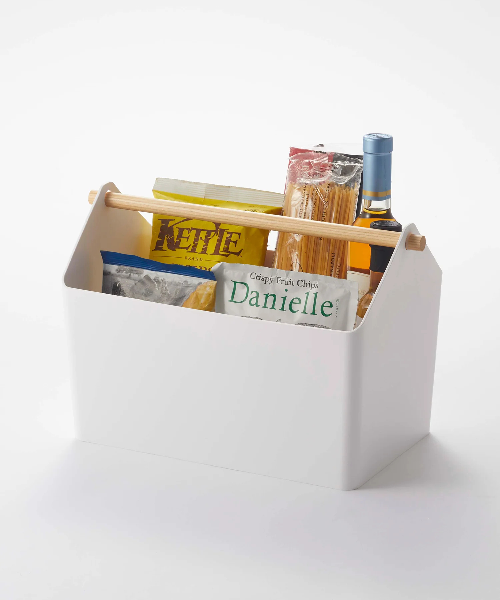
Yamazaki’s minimalist approach extends to cleaning storage in a way that makes the cleaning tools themselves something you might actually display rather than hide. The Tower series cleaning tool organizer uses the same steel-and-wood aesthetic across the rest of their range to hold brooms, mops, and dustpans in a wall-mounted or freestanding format that keeps tools accessible and the floor beneath them clear.
- Available at: Yamazaki Home (yamazakihome.com), Target, Amazon
- Best for: Organizing cleaning tools in a format that reads as intentional rather than utility storage — particularly good for entryways and utility spaces visible from living areas
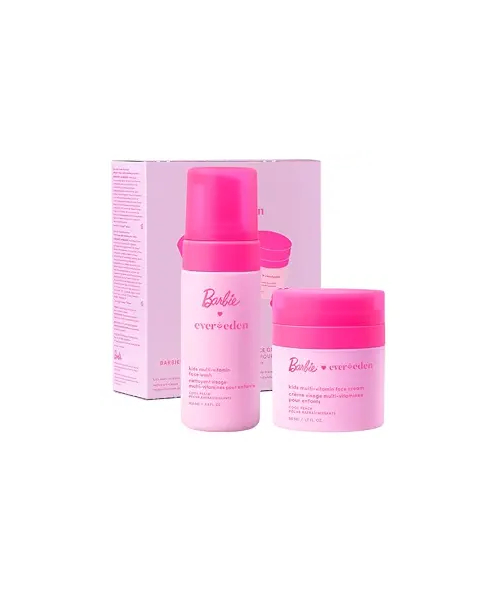
Evereden’s plant-based multi-surface cleaner applies the same clean formulation philosophy to home cleaning products that they use in skincare — free from ammonia, bleach, and synthetic fragrance in a formula that works on most household surfaces. The full ingredient disclosure that Evereden maintains in their personal care line extends to the cleaning product range, which is unusual in household cleaning.
- Available at: Evereden (evereden.com), Target
- Best for: A genuinely clean household cleaner for surfaces that comes in contact with food prep areas, children’s spaces, and anywhere chemical cleaner residue is a concern
The Cleaning Product Effectiveness Principle
Most cleaning products work through one of a small number of chemical mechanisms: surfactant action (surrounding and lifting grease and soil), alkaline chemistry (breaking down organic compounds), acid chemistry (dissolving mineral deposits and rust), or abrasive action (physical removal through friction). Understanding which mechanism addresses which cleaning problem takes most of the confusion out of choosing cleaning products.
Grease, cooking oil, and most food soils respond to surfactant cleaners — dish soap, general kitchen cleaner. These are the situations where surfactant concentration matters and where products that smell like lemon don’t perform better just because of the lemon.
Mineral deposits — limescale, calcium buildup, rust rings in toilets, hard water stains on showers — respond to acid. White vinegar, citric acid, or commercial acid cleaners. They don’t respond well to surfactant cleaners, which is why many bathroom cleaners that use only surfactants produce disappointing results on hard water buildup.
Soap scum is a combination of mineral deposits from hard water and soap residue, which is why it requires acid rather than just surfactant. Most “bathroom cleaner” products aren’t formulated specifically for this, which is why soap scum is one of the most complained-about cleaning challenges despite the existence of dozens of products claiming to address it.
Grout and tile blackening is usually mold or mildew — which responds to bleach or hydrogen peroxide, not to general cleaners. Applying general cleaner to mildewed grout makes it look temporarily cleaner and does nothing to the mold itself.
The Laundry Detergent Question
Laundry detergent is the cleaning product where the sustainable innovation of the past five years has been most significant. Concentrated formats — strips, pods, and concentrated liquids that require less water per wash — provide comparable cleaning performance to standard liquid detergent with dramatically less packaging and less product weight to ship and store.
The specific innovation of laundry strips is that they dissolve completely in both cold and warm water, which addresses one of the limitations of pods (which can leave residue in cold water) and of powder (which can clump in cold water). The concentrated formula provides the right amount of detergent per load without the measuring that liquid requires or the guessing about how full the pod is relative to load size.
Natural vs Effective — The Cleaning Product Trade-Off
The cleaning product category has its own version of the clean beauty debate — brands using natural and plant-based language while the product either doesn’t clean effectively or uses “natural” ingredients at concentrations that couldn’t actually clean anything. The genuinely effective natural cleaners exist and the Evereden multi-surface cleaner is an example, but the category requires the same scrutiny as natural beauty.
The test for any cleaning product: does it produce the result you need on the specific surface or soil you’re using it for? The natural or plant-based claim is secondary to whether it works, and a product that claims to be natural but requires twice the effort and twice the product to achieve the same result as a conventional cleaner isn’t delivering on the value proposition that makes the natural choice worthwhile.
Conclusion
Cleaning products worth buying are those that deliver performance through appropriate chemistry for the specific soil type, in formats that make use convenient and sustainable where possible. Manta’s laundry strips provide equivalent washing performance with zero plastic jug waste in a convenient storage format. Babo Botanicals’ dish soap handles sensitive hands without sacrificing cleaning effectiveness. Yamazaki’s cleaning tool organizer makes the tools themselves worth displaying rather than hiding. And Evereden’s multi-surface cleaner provides clean-formulation household cleaning with full ingredient transparency. The underlying principle is understanding what chemistry addresses what soil type and choosing the simplest, most sustainably formatted version that delivers the needed result.

