
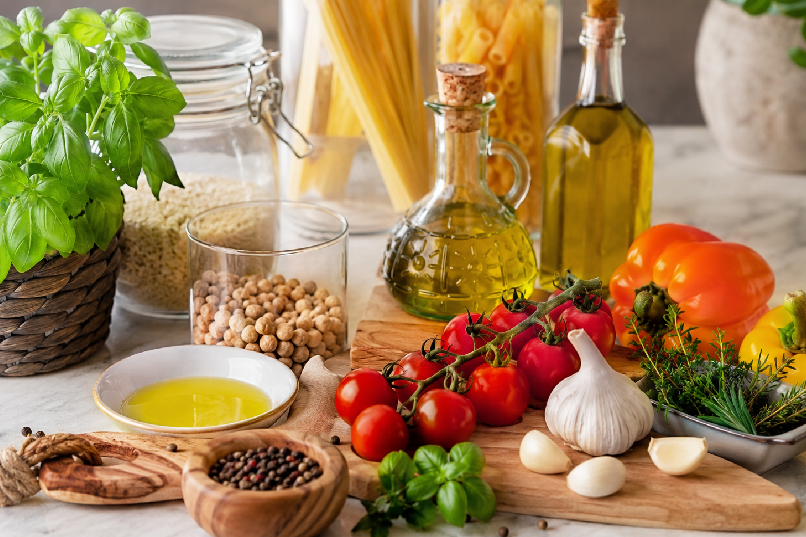
Cooking skill is the variable most discussed in the home cooking conversation and ingredient quality is the variable most ignored. The technically proficient cook who uses mediocre ingredients produces mediocre results. The cook with modest technique who uses excellent ingredients produces results that taste above their skill level because the raw material is doing the most important work before the cooking begins.
The pantry investment that most improves daily cooking is not a new appliance or a new technique — it’s upgrading the specific ingredients used most frequently.
The Ingredients That Make The Most Difference
Olive oil. The olive oil used for dressings, finishing, and any application where it won’t be heated above its smoke point is the single ingredient upgrade that most immediately changes the flavour of what it’s added to. The difference between a genuine extra virgin olive oil with a recent harvest date and a standard supermarket olive oil used for everything is immediately apparent in any application where the oil’s flavour matters.
Salt. Maldon sea salt flakes for finishing and Kosher salt for cooking — the specific salt difference that professional kitchens universally apply. Maldon’s flat crystal structure dissolves on contact with food and provides the specific burst of seasoning that fine salt provides unevenly. The hand-pinch application of Maldon on a finished dish produces a different eating experience from the same dish seasoned with fine salt.
Vinegar. Quality aged balsamic and quality red wine vinegar are the acidic elements that most improve simple cooking — the acid that balances a sauce, dresses a salad without sugar, and finishes a braise. The difference between a reduced, aged balsamic from Modena and the cheap balsamic-style condiment sold in most UK supermarkets is the difference between an ingredient and an approximation.
The Best Cooking Ingredients Worth Buying
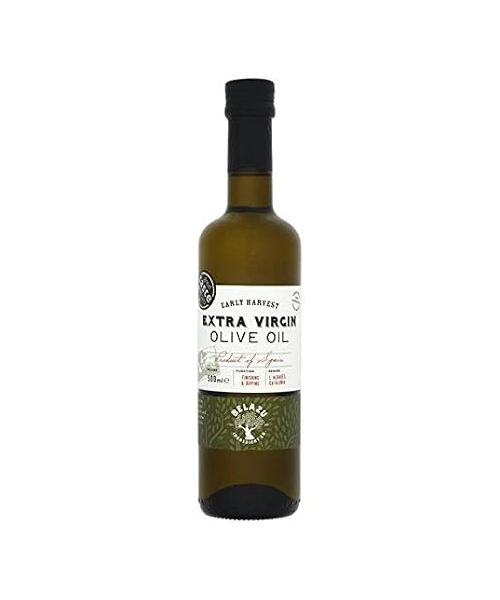
Available at: Waitrose, Ocado, Amazon, specialist food retailers
Best for: Daily cooking use — dressings, finishing, bread dipping, and any application where olive oil flavour is a significant component.
Belazu produces olive oil at prices accessible enough for daily use with the quality that makes the flavour contribution worthwhile. The specific Belazu advantage over cheaper alternatives: the harvest date is printed on the bottle (olive oil should ideally be consumed within two years of pressing, and within one year of opening) and the flavour profile is consistently above supermarket own-brand alternatives at comparable prices.
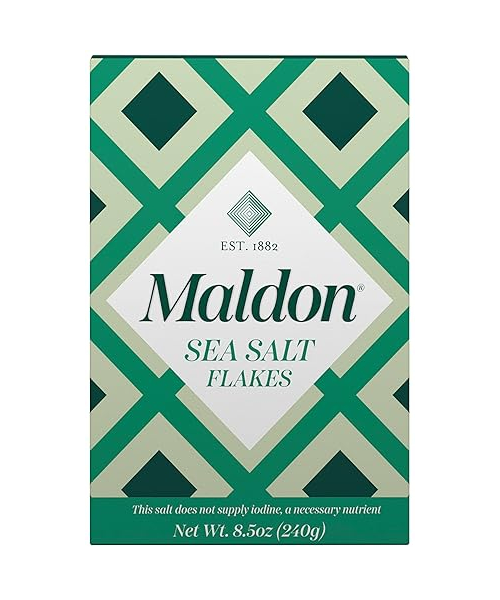
Available at: Widely available — Waitrose, Tesco, Amazon, any supermarket with a specialty food section
Best for: Finishing salt for all applications where salt is added at the table or just before serving.
Maldon is the finishing salt that appears in professional and home kitchens with equal frequency because the flat crystal structure is both functional (distributes evenly, dissolves on contact) and sensory (the light crunch between the teeth that provides the salt burst that fine salt delivers without texture). A pinch of Maldon on a fried egg, a steak, roasted vegetables, or chocolate dessert provides the specific seasoning completion that transforms adequately seasoned food into properly seasoned food.
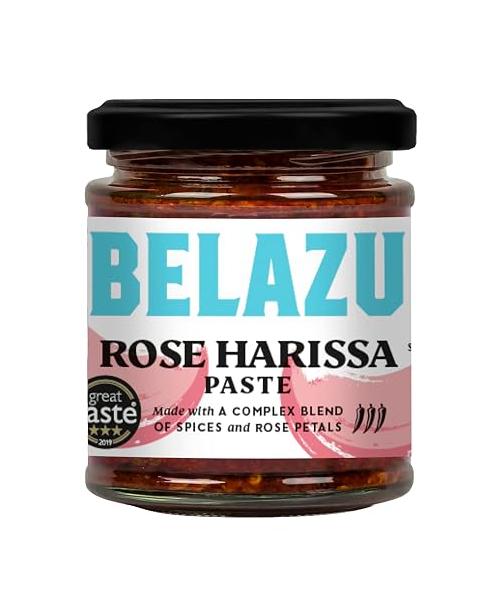
Available at: Waitrose, Ocado, Sainsbury’s (some branches), specialist food shops
Best for: Adding depth, heat, and complexity to stews, marinades, dressings, and roasted vegetables.
Belazu’s Rose Harissa is the jarred ingredient that produces a disproportionate flavour improvement in the dishes it’s added to. The combination of roasted red peppers, dried chillies, rose petals, cumin, and coriander produces a flavour depth that the constituent parts added individually wouldn’t achieve. Added to a lamb stew, to a marinade for chicken, stirred into yoghurt for a dipping sauce, or used as a base for roasted vegetable seasoning — the flavour contribution is immediately apparent and complex.
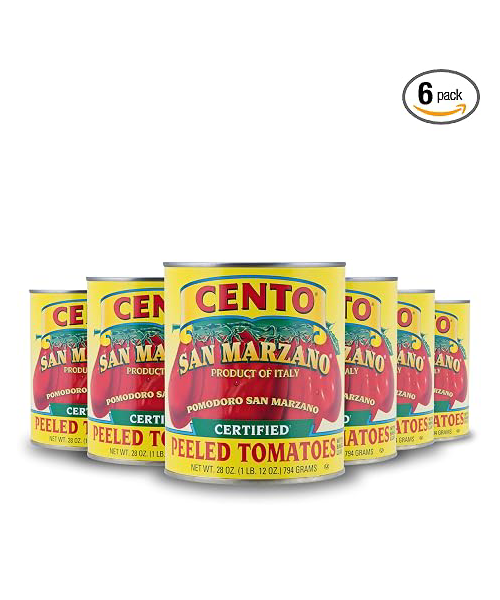
Available at: Waitrose, Ocado, Amazon, Italian delis
Best for: Pasta sauces, pizza sauces, braises, and any dish where tinned tomatoes are the primary flavour component.
San Marzano tomatoes — grown in the volcanic soil near Mount Vesuvius, DOP certified — have a specific combination of lower acidity, higher sweetness, and more concentrated tomato flavour than standard tinned tomatoes. In a simple pasta sauce where tinned tomatoes are the primary ingredient, the difference between San Marzano and standard supermarket tinned tomatoes is the difference between a sauce that needs considerable additional seasoning and one that tastes complete with olive oil, garlic, and salt.
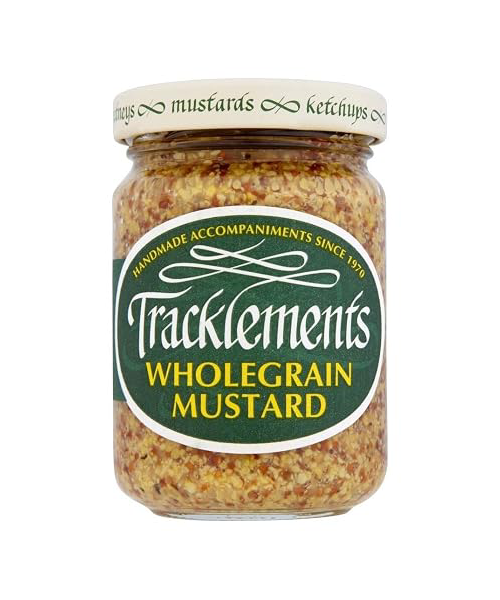
Available at: Waitrose, Marks & Spencer, farm shops, specialist food retailers
Best for: Salad dressings, serving alongside roast meats and charcuterie, stirring into sauces for depth.
Tracklements produces condiments and pickles at the accessible quality level above supermarket own-brand without the premium of specialist artisan producers. The whole grain mustard specifically is the pantry ingredient that improves every salad dressing — the emulsification it provides when mixed with vinegar and oil produces a stable dressing that coats salad leaves rather than pooling at the bottom of the bowl.
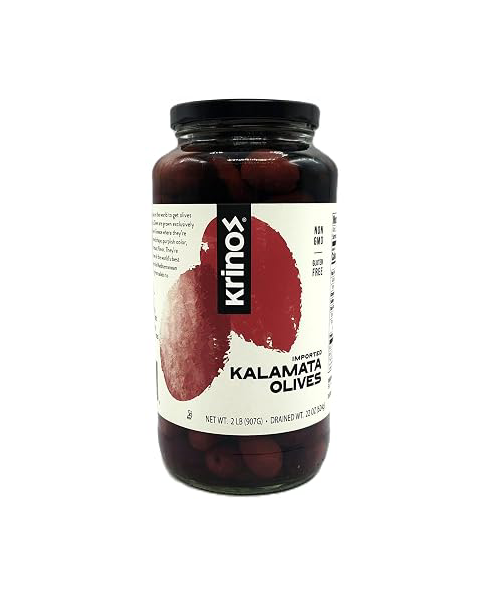
Available at: Lidl (surprisingly excellent), Waitrose, Ocado, delis
Best for: Antipasti, chopped into pasta, tapenade, or eaten alongside cheese.
Quality Kalamata olives in brine rather than oil (which is often a low-quality filler oil) are the antipasti ingredient most worth upgrading. Lidl’s Kalamata olives are a widely acknowledged quality-for-price example — the olives sourced from the Kalamata region of Greece with the specific flavour intensity that the variety and region produce, at a price significantly below specialist retailers.
Conclusion
The pantry investment that most improves daily cooking is ingredient quality in the things used most frequently. Belazu olive oil for the daily finishing oil and dressing base. Maldon sea salt for the finishing salt that transforms adequately seasoned to properly seasoned. Belazu Rose Harissa for the jarred flavour amplifier that adds complexity without effort. San Marzano tinned tomatoes for the pasta sauce foundation that tastes complete without work. Tracklements whole grain mustard for the dressing emulsifier that produces stable, flavourful salads. And quality Kalamata olives for the antipasti ingredient most worth upgrading. Buy quality in the ingredients used most often — the upgrade in the thing used daily produces more cumulative improvement than the occasional special ingredient used for specific occasions.

