
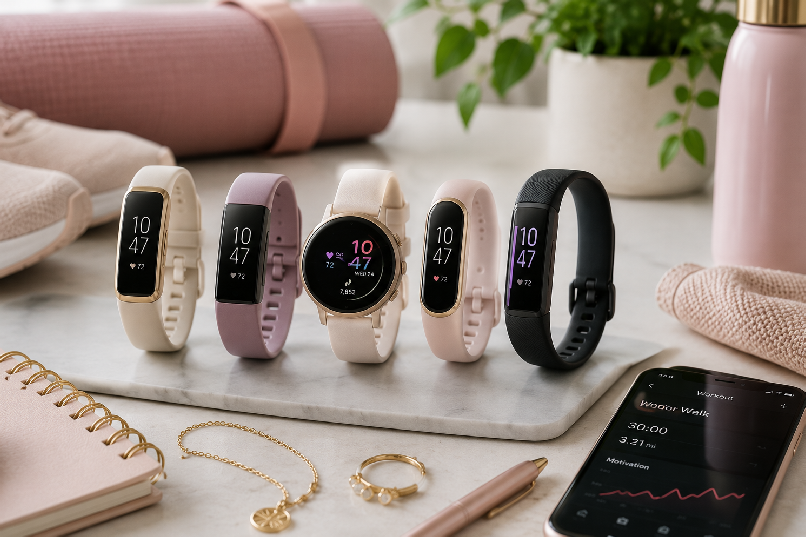
The fitness tracker category has matured in the past few years from devices that primarily counted steps to devices that monitor a genuinely comprehensive set of health metrics — sleep quality, heart rate variability, blood oxygen, menstrual cycle tracking, stress indicators, and training readiness. Whether all of this data is useful depends enormously on what you actually do with it, which is the question the tracker conversation rarely asks honestly enough.
The trackers below earn their recommendations not because they have the most features or the most sophisticated technology, but because the data they provide is accurate enough and presented simply enough to actually change behavior rather than just providing interesting numbers. The wearable that produces a daily readiness score and genuinely changes how you approach a training day, versus the one that logs all the same data and never influences a decision — those are different products with the same feature list.
Products

The Hatch Restore 2 includes health tracking features alongside its primary sleep function — specifically sleep stage tracking, heart rate monitoring through the night, and the specific integration of health data with the sleep coaching that the Restore 2 provides. For those who already use the Hatch for sleep, the integrated health tracking provides data in the context where it’s most meaningful.
- Available at: Hatch (hatch.co), Target, Amazon
- Best for: Those who want sleep health tracking without a wearable on the wrist — the bedside device that monitors sleep without the discomfort of a wrist tracker during sleep
Balance of Nature Health Supplement Tracker Integration
Balance of Nature’s whole food supplement line has developed a health tracking integration that allows monitoring the correlation between supplement consistency and health indicators — the specific bridge between nutritional supplementation and measurable health data that most supplement brands don’t offer. The tracker provides visibility into whether the supplement consistency is producing the expected health metric improvements.
Balance of Nature’s whole food supplement line has developed a health tracking integration that allows monitoring the correlation between supplement consistency and health indicators — the specific bridge between nutritional supplementation and measurable health data that most supplement brands don’t offer. The tracker provides visibility into whether the supplement consistency is producing the expected health metric improvements.
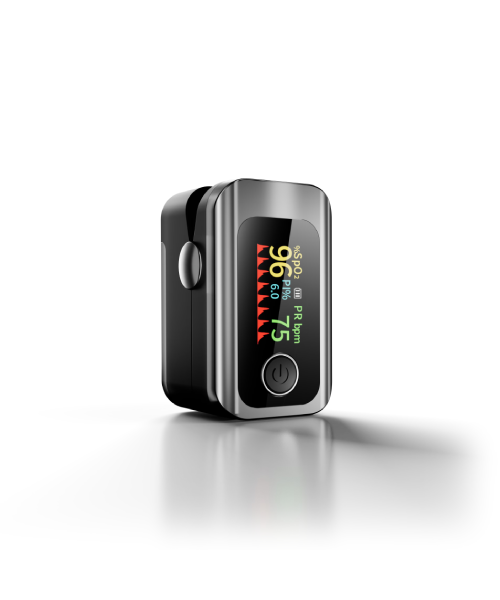
Already mentioned in the home tech section, the Oxiline Pulse X Pro bears inclusion in the fitness tracking context for those whose health monitoring needs are specifically cardiovascular — the clinical-grade accuracy of this device for blood pressure monitoring provides the specific health data most relevant to cardiovascular fitness tracking in a format that complements rather than duplicates what wrist-worn fitness trackers provide.
- Available at: Oxiline (oxiline.com)
- Best for: Those who need clinically accurate cardiovascular monitoring alongside general fitness tracking — the device that fills the specific gap that wrist trackers don’t reliably cover
What Fitness Tracking Data Is Actually Useful For
The fitness tracker generates data. What changes behavior is understanding what specific data points to pay attention to and what to do differently based on them. This is the gap between a tracker that improves fitness outcomes and one that produces interesting numbers that eventually get ignored.
The data points with the most consistent evidence for changing behavior usefully: resting heart rate (a gradually lowering resting heart rate over weeks is evidence of improving cardiovascular fitness), Heart Rate Variability (HRV — higher HRV indicates better autonomic nervous system balance and recovery readiness; lower HRV suggests incomplete recovery), sleep duration and consistency (the single most important recovery metric), and step count as a proxy for daily activity level in those with sedentary work.
The data points that most fitness trackers emphasize that are less behaviorally useful: calorie burn estimates (notoriously inaccurate and often produce counterproductive behavior when used to justify eating more), specific activity recognition that’s often inaccurate, and stress scores that are proxies for heart rate variability with less specific meaning.
Sleep Tracking — The Fitness Metric Most People Overlook
Sleep is the most impactful fitness metric available and the one most consistently overlooked in the fitness tracking conversation, which focuses on activity and training rather than recovery. The specific reason sleep matters for fitness: the adaptations from training — the muscle protein synthesis, the neural pattern consolidation, the cardiovascular adaptations — happen during sleep. Training provides the stimulus for adaptation. Sleep is where the adaptation actually occurs.
Sleep tracking data is most useful for revealing patterns rather than individual nights — the consistent insight that you’re waking between 3–4am more than you realized, or that sleep efficiency is consistently lower than expected, or that HRV is consistently low on the mornings after late meals or alcohol. These patterns are the actionable finding that changes behavior. Individual sleep scores from individual nights are less useful.
The Recovery Question
The concept of training readiness — whether today is a day to push hard, train at a moderate pace, or prioritize recovery — is the specific question that the most useful fitness tracking data answers. Whoop’s daily strain and recovery scoring, Heart Rate Variability morning measurements, and resting heart rate trends all contribute to this question.
The behavior change that produces the most consistent improvement in fitness outcomes over time: training hard on high-readiness days, genuinely recovering on low-readiness days rather than pushing through, and paying attention to the recovery indicators rather than only the training indicators. Most people’s intuitive sense of whether they’re ready to train hard correlates only loosely with their actual physiological readiness, and the tracker provides the data that calibrates that intuition over time.
Conclusion
Fitness trackers worth buying are those that produce accurate data on the metrics that actually matter and present it in a way that genuinely influences daily decisions. The Alphalete x Whoop collaboration brings serious recovery and training readiness tracking to a wearable that’s genuinely considered enough to wear daily. The Hatch Restore 2 provides sleep tracking in the context of sleep improvement without a wrist tracker. Balance of Nature’s tracker integration connects supplement consistency with health indicators for those using their system. And Oxiline’s blood pressure monitor fills the cardiovascular monitoring gap that wrist trackers don’t reliably cover. The common thread is tracking the data that changes behavior rather than the data that’s impressive to collect.

