
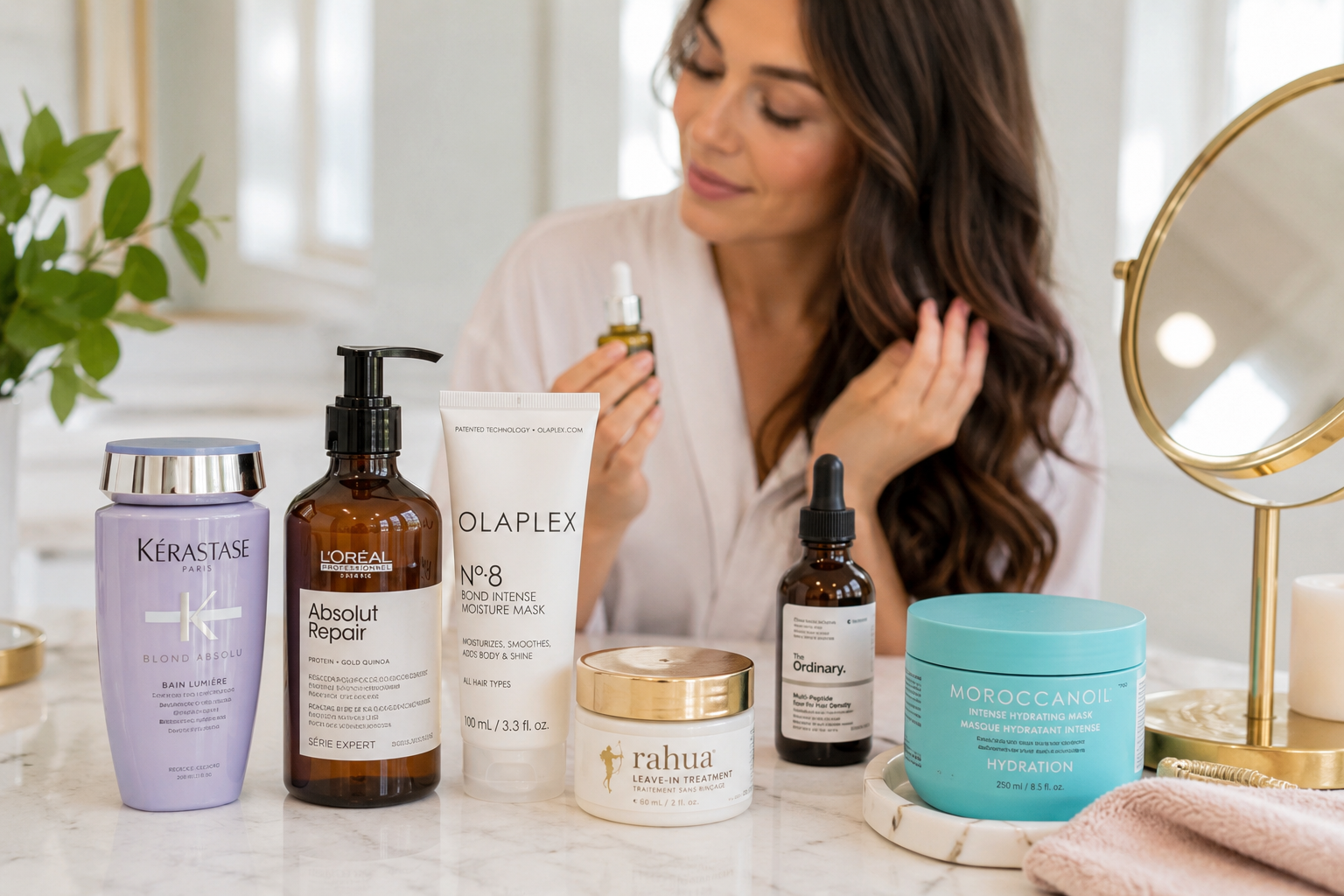
Hair care is the category where people most consistently overspend on product and underspend on understanding what their hair actually needs. The relationship between most people and their hair involves decades of products chosen based on what smells nice in the shower, what’s on sale, or what someone with a different hair type recommended — followed by confusion about why the results are inconsistent.
Hair needs are determined by a combination of factors: the texture and density of the hair, whether it’s been chemically processed, what the scalp environment is like, and what the hair has been through in terms of heat and mechanical damage. A clarifying shampoo that’s excellent for oily, fine hair is actively harmful to dry, coarse hair. A deeply conditioning mask that transforms damaged curls does nothing useful for healthy fine hair and weighs it down. Getting the right products requires understanding which category your hair falls into first, then choosing products for that category.
Products
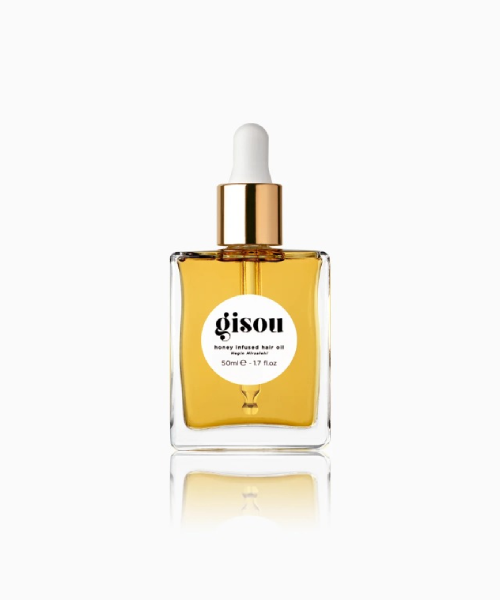
Gisou is the brand built around Mirsalehi honey from the founder’s family’s bee garden in Iran, and the honey infusion in their hair oil is genuinely functional rather than just a marketing story. Honey is a natural humectant that draws and retains moisture, and the combination with other nourishing oils produces a hair oil that adds shine and softness without the heaviness that many hair oils bring. The scent is subtle and genuinely beautiful.
- Price: $49
- Available at: Gisou (gisou.com), Sephora, ASOS, Space NK
- Best for: Finishing and nourishing dry or medium-texture hair — adds shine and softness without weighing hair down, works well on the mid-lengths and ends
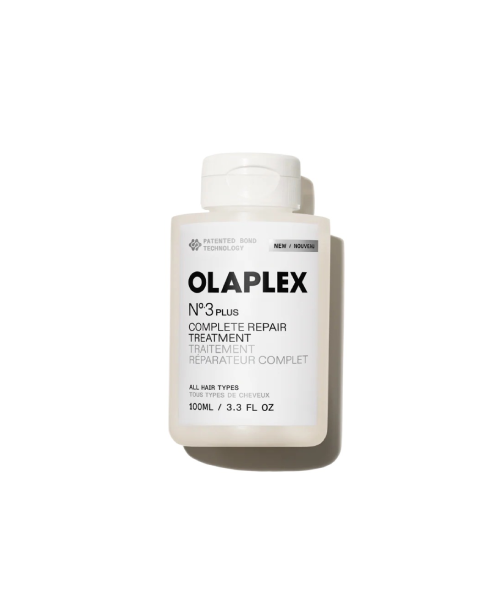
The bond-building treatment that genuinely repairs the disulfide bonds in hair protein that chemical processing and heat styling break. Not a conditioner and not a mask — a specific type of treatment that works through a different mechanism. Applied before shampooing, left on for at least ten minutes, and the results are cumulative rather than immediate. Hair becomes noticeably more resilient to breakage and styling damage with consistent weekly use.
- Price: $30 / £26
- Available at: Olaplex (olaplex.com), Sephora, Space NK, Boots
- Best for: Chemically processed, heat-damaged, or breakage-prone hair — the treatment that addresses structural damage rather than just surface conditioning
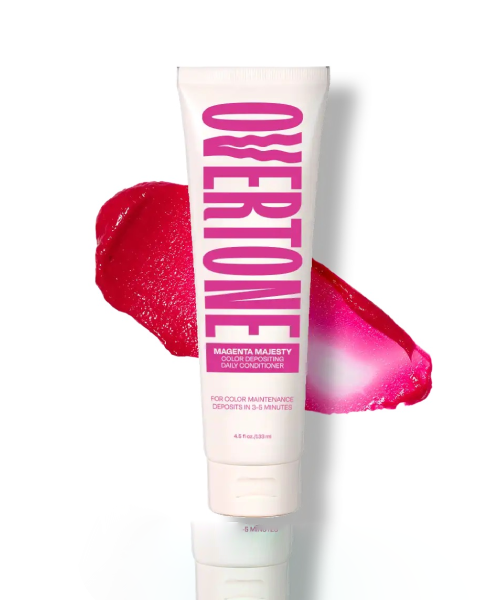
Overtone produces color-depositing conditioners that maintain and refresh hair color — particularly vivid colors and pastel shades — between salon visits. The products are genuinely conditioning as well as color-depositing, which means they’re doing two jobs simultaneously, and the color payoff is strong enough to be visible without requiring processing. For those with colored hair who want to extend the life of their color, this is the most effective accessible option.
- Price: $29–$38 depending on the product
- Available at: Overtone (overtone.co), Target, Amazon
- Best for: Colored hair that needs color refreshing between salon visits — particularly vivid and fashion colors that fade quickly
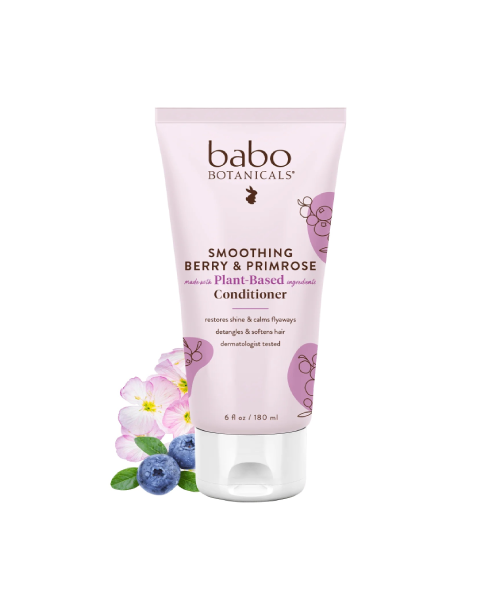
Babo Botanicals produces hair care with the same clean formulation philosophy as their skincare — free of sulfates, silicones, parabens, and the other commonly excluded ingredients. The smoothing detangler works genuinely well on fine to medium hair and on children’s hair, making it versatile enough for a family product.
- Price: $15.99
- Available at: Babo Botanicals (babobotanicals.com), Target, Amazon
- Best for: Detangling and light conditioning for all hair types including children — clean formulation, genuinely functional
Understanding What Your Hair Actually Needs
The single most useful thing anyone can do for their hair care routine is to correctly identify their hair’s primary needs, because the products that help one hair type actively harm another.
Fine hair needs volume and lightweight moisture without anything that adds weight or coats the hair shaft too heavily. Conditioners that are too rich make fine hair look flat and greasy immediately after washing. Styling products with silicones build up quickly on fine hair and reduce volume over time. What fine hair needs: a gentle clarifying shampoo used regularly, a lightweight conditioner applied only to the mid-lengths and ends, and protein treatments used occasionally to strengthen the hair shaft without adding heaviness.
Thick, coarse, or curly hair needs moisture above almost everything else. The hair shaft in coarse and curly hair is shaped in a way that makes it harder for the scalp’s natural oils to travel down the hair — which is why coarse and curly hair tends to be dry at the ends even when the scalp is normal or oily. What this hair type needs: moisturizing shampoos that don’t strip, rich conditioners used generously, and leave-in products that help retain moisture throughout the day.
Chemically processed hair — whether colored, bleached, permed, or relaxed — has had its internal protein bonds altered through chemistry and is inherently more fragile than unprocessed hair. What it needs: bond-building treatments like Olaplex alongside gentle, protein-supporting cleansing and conditioning.
The Scalp Question
Most hair care content focuses on the lengths of the hair and largely ignores the scalp, which is where the health of the hair actually starts. A healthy scalp environment — properly cleansed, not stripped of all its natural moisture, not congested with product buildup — grows healthier hair. An unhealthy scalp environment produces hair that’s struggling from the root regardless of what you apply to the lengths.
Signs of scalp imbalance that are worth addressing: persistent itching or flaking (which can be dandruff, dry scalp, or a fungal imbalance requiring different treatments), excessive oiliness that returns within a day or two of washing (often caused by over-washing, which strips the scalp and triggers more oil production in response), or the specific tight, uncomfortable feeling that comes from product buildup that a regular shampoo isn’t removing.
Clarifying shampoos — used once or twice a month for most hair types — remove the buildup that regular shampoos leave behind and reset the scalp environment. They’re not for every wash because they strip too aggressively, but periodic clarifying is worth building into any hair care routine.
Heat Protection — The Step Most People Skip
If you use heat on your hair regularly — whether a blow dryer, straightener, or curling iron — and you’re not using heat protection before every heat styling session, you’re causing cumulative damage that will show up eventually as breakage, split ends, and reduction in the hair’s natural texture and shine.
Heat damage works by denaturing the keratin proteins in the hair shaft through thermal degradation. Once a protein bond is broken through heat, it can be helped by bond-building treatments like Olaplex but it can’t be fully reversed — the hair that’s been heat damaged needs to grow out before it’s back to full structural integrity. Prevention through heat protection is dramatically more effective than any repair treatment.
Heat protection doesn’t need to be expensive. Any product that creates a barrier between the heat source and the hair shaft — whether a spray, a cream, or an oil — provides meaningful protection as long as it’s applied to completely dry hair before heat styling.
Conclusion
Hair care that actually works starts with correctly identifying what your hair needs — which varies significantly based on texture, chemical history, and scalp environment — and choosing products for those specific needs rather than based on what smells good or what’s trending. Gisou’s honey oil is the finishing and nourishing product that works across multiple hair types without adding heaviness. Olaplex No. 3 addresses structural damage in processed or heat-damaged hair through genuine bond-building chemistry. Overtone maintains and refreshes color between appointments. And Babo Botanicals delivers clean detangling and leave-in conditioning for families and sensitive scalps. Add heat protection every time heat is used, clarify periodically, and keep the routine simpler than the marketing for hair care products suggests it needs to be.

