
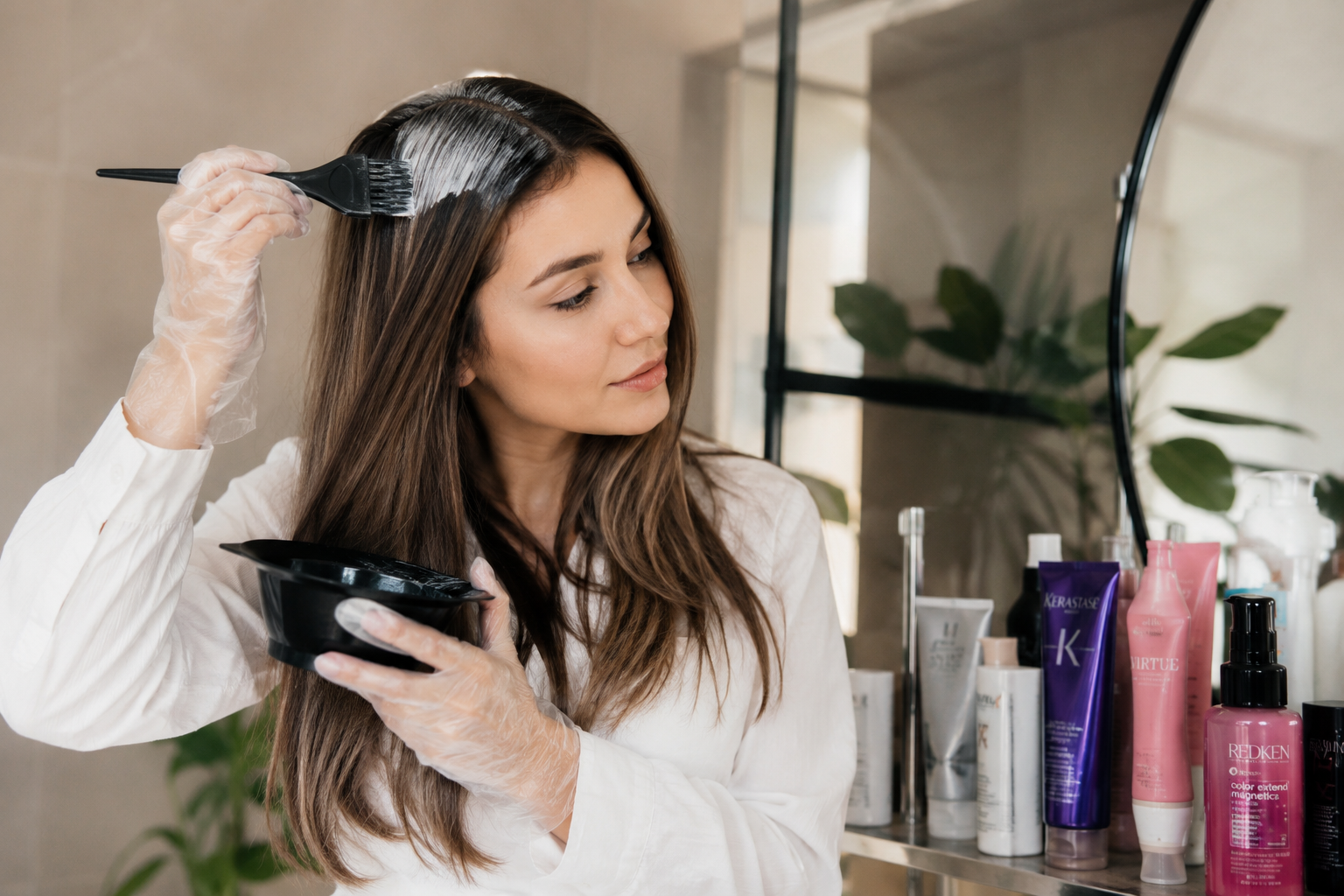
Hair color and hair health exist in a specific tension that most hair color content doesn’t address honestly. Chemical coloring — whether permanent color, highlights, balayage, or bleach — alters the hair’s protein structure to achieve the color result. The lighter and more dramatic the color change, the more significant that alteration is. This isn’t a reason not to color your hair. It’s a reason to understand what the hair needs after coloring and to choose products that maintain the color result while supporting the hair health that coloring compromises.
The products below address both sides of that equation — the color maintenance that keeps salon results looking fresh for longer, and the hair health support that prevents colored hair from becoming the dry, brittle version of itself that eventually forces a cut.
Products
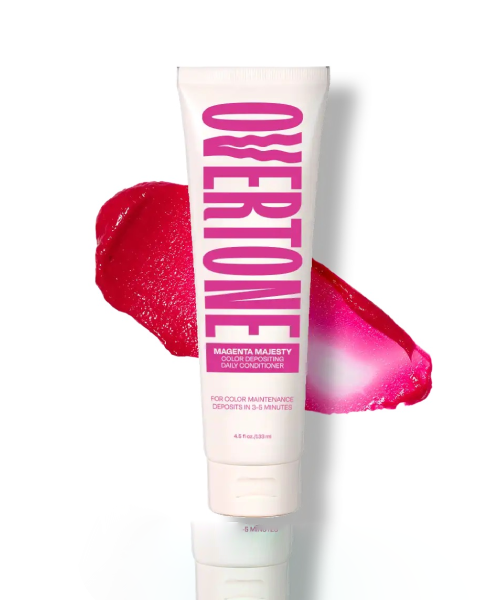
Overtone makes color-depositing conditioners that are genuinely conditioning as well as genuinely color-depositing — the two functions are both present and both meaningful rather than one being a secondary marketing claim. For vivid hair colors — the blues, pinks, purples, and pastels that fade most quickly — Overtone is the product that most effectively extends the life of salon color between appointments. The weekly color treatment takes five minutes in the shower and replaces color that washing and UV exposure has removed.
- Price: $29–$38
- Available at: Overtone (overtone.co), Target, Amazon
- Best for: Vivid and fashion hair colors that fade quickly — the conditioning treatment that keeps color looking fresh between appointments
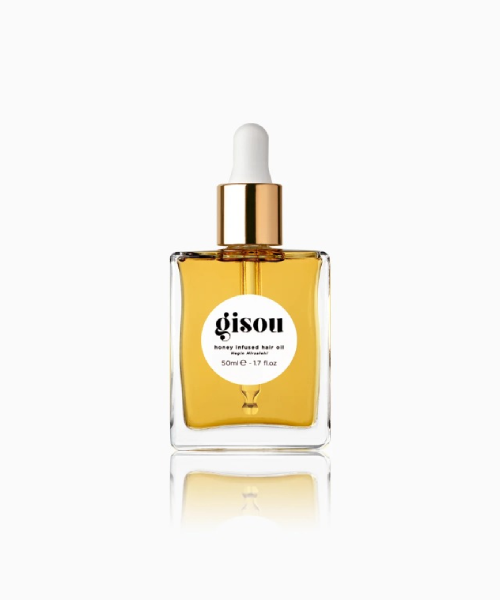
For colored hair specifically, the honey in Gisou’s hair oil acts as a humectant that helps the hair shaft retain the moisture that chemical coloring removes. Colored hair loses moisture more readily than uncolored hair because the cuticle has been altered by the coloring process, and regular use of a nourishing oil on the mid-lengths and ends addresses this specific loss. The oil also adds the shine that colored hair frequently lacks as it ages between salon visits.
- Price: $49
- Available at: Gisou (gisou.com), Sephora, Space NK
- Best for: Maintaining moisture and shine in colored hair between treatments — particularly effective on the mid-lengths and ends that are most prone to dryness post-coloring
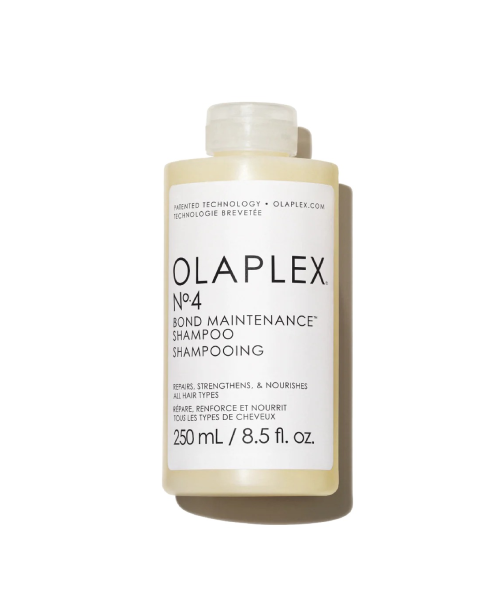
The Olaplex shampoo extends the bond-building benefits of No. 3 treatment into the washing routine. The shampoo contains the active bis-aminopropyl diglycol dimaleate at a maintenance concentration — not the treatment dose of No. 3, but enough to continue supporting the bond structure in colored hair during regular cleansing. Color-safe, sulfate-free in the damaging sense, and gentle enough for daily use on processed hair.
- Price: $30 / £26
- Available at: Olaplex (olaplex.com), Sephora, Space NK, Boots
- Best for: Colored and chemically processed hair that needs a shampoo supporting bond maintenance as well as cleansing
Why Colored Hair Fades and What Actually Slows It
Hair color fades through three primary mechanisms, and understanding which is most relevant to your specific color situation helps determine which products to prioritize.
Mechanical fade happens through the physical friction of washing, styling, and environmental exposure. Every time you wash your hair, some color molecules are physically removed along with everything else the shampoo is lifting. This is why sulfate-free shampoos are recommended for colored hair — sulfates are more efficient at lifting things from the hair shaft, which is useful for removing buildup but counterproductive for color retention.
UV fade happens through sun exposure oxidizing the color molecules in the hair. This is particularly damaging to vivid colors and to the warmth in brunette tones, both of which shift from their original shade to faded, brassy, or washed-out versions through UV exposure. UV-protecting sprays and products — or simply wearing a hat in significant sun — address this.
Washing frequency affects fade significantly. Every wash removes some color, so the less frequently colored hair is washed, the longer the color maintains. Dry shampoo between washes extends color life simply by reducing the number of washes the hair goes through per week.
The At-Home Color Question
At-home hair color has improved significantly from where it was even five years ago, and for some color goals — particularly root touch-ups in natural shades, or maintaining a fairly close-to-natural color — the at-home options are genuinely viable. The specific area where at-home color remains less suitable: any significant lightening, highlights, balayage, or dramatic color changes from a significantly different base. These require the professional assessment of how the hair will lift, toning after the lightening process, and color correction expertise that at-home kits don’t provide.
For maintenance of existing color — refreshing roots between appointments, maintaining a one-dimensional all-over color that’s close to your natural shade — at-home color in the right brand and the right shade is a reasonable approach. The technique matters more than the brand: applying first to the roots, developing for the correct time for your hair porosity and the shade change involved, and toning after if any unwanted warmth develops.
Protecting Color Through Heat Styling
Heat styling is one of the primary accelerators of color fade, particularly for vivid colors and for the specific tone of blonde that shifts warmth through heat exposure. The protein bonds that hold color molecules in the hair shaft are disrupted by heat at styling temperatures, which is the same mechanism that causes heat damage generally.
Heat protection applied before every heat styling session addresses this. A heat protection spray or cream that creates a thermal barrier between the heat tool and the hair reduces both the structural damage and the color fade that high temperatures cause. For colored hair specifically, products that combine heat protection with UV protection address two of the three primary fade mechanisms in one product.
Conclusion
Colored hair that maintains its result between salon visits requires understanding the specific mechanisms through which color fades and addressing them consistently. Overtone’s color-depositing conditioner is the most effective product for vivid and fashion color maintenance at home. Gisou’s honey oil addresses the moisture loss that characterizes colored hair. Olaplex No. 4 extends bond maintenance into the daily washing routine. And Luhxe’s color gloss treatment provides the professional-level color protection that most at-home products don’t offer. Together these four products address mechanical fade through washing, moisture loss through color processing, and the bond structure that coloring compromises — which covers most of what colored hair actually needs between salon visits.

