
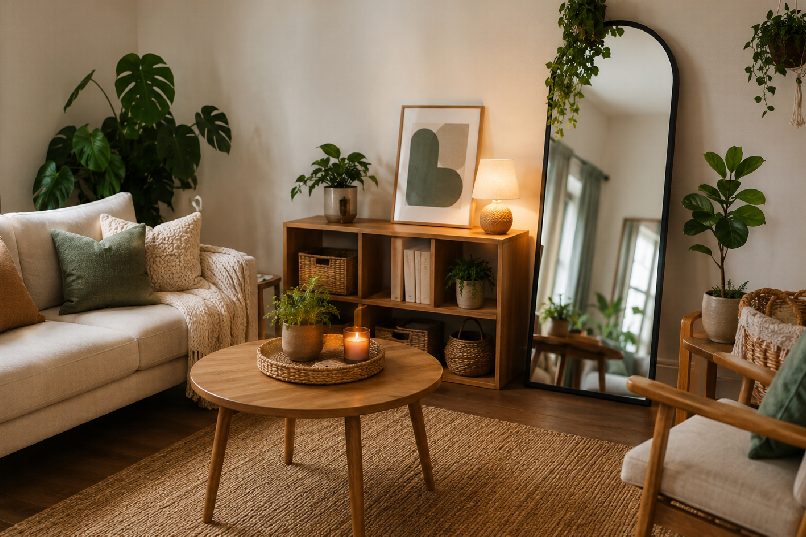
The most impactful home improvements I’ve made over the years have almost never been the most expensive ones. The sofa I saved for and deliberated over for months. The rug I researched across a dozen websites before buying. The kitchen renovation that cost more than a car. None of these made me feel as immediately satisfied as the afternoon I replaced all the cabinet hardware in the kitchen for $40 and the room looked completely different before dinner. Or the day I moved three plants from the bedroom to the living room and the living room felt like somewhere I actually wanted to spend time.
This is not an argument against investing in good furniture or finishing a room properly. It’s an observation that the gap between a space that feels intentional and one that doesn’t is often smaller and cheaper to cross than people assume. What follows are the changes that have made the most difference in spaces I’ve lived in and spaces I’ve helped other people think about, at price points that don’t require a home renovation budget.
Products
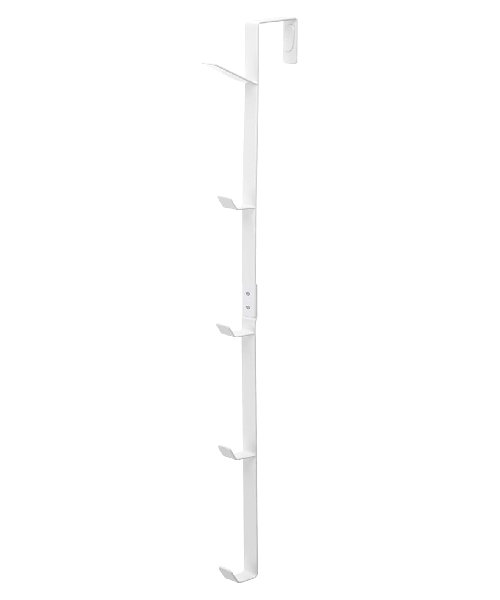
Yamazaki Home produces minimalist Japanese home goods with a design sensibility that makes functional objects genuinely beautiful to look at. The over-door organizer turns the unused space behind any door into organized, accessible storage — hooks, shelves, or a combination depending on the model — in a design that reads as a considered addition rather than a functional intrusion. The steel and wood combination that Yamazaki uses across their range gives the pieces a warmth that pure metal alternatives don’t have.
- Available at: Yamazaki Home (yamazakihome.com), Target, Amazon, The Container Store
- Best for: Creating organized storage in spaces where adding furniture isn’t possible — particularly useful in small bedrooms, bathrooms, and entryways
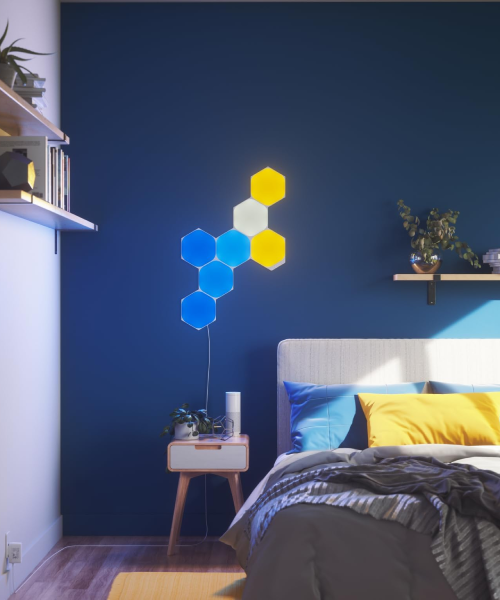
Nanoleaf produces modular LED light panels that attach to walls and can be configured in any pattern, connecting to form larger installations. The light quality is genuine — tunable from warm to cool white for different times of day — and the app control means the lighting changes automatically from daylight-temperature morning light to warm evening light without manual adjustment. The visual impact of a Nanoleaf installation on a bedroom or living room wall is significant.
- Available at: Nanoleaf (nanoleaf.me), Best Buy, Amazon, Apple Store
- Best for: Those who want smart, modular lighting that functions as wall art as well as light source — particularly effective in bedrooms and home offices
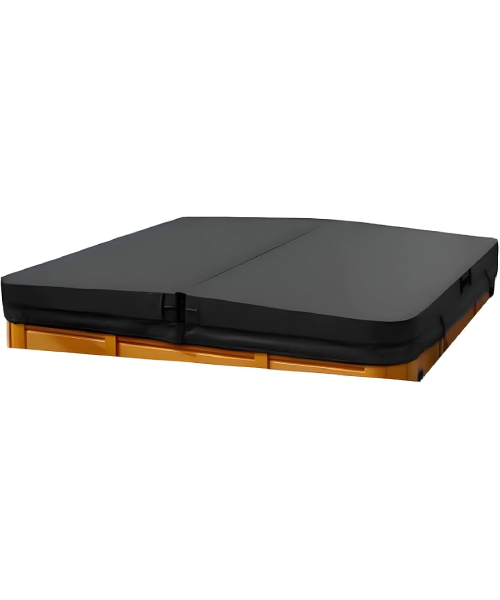
The Cover Guy produces custom-sized cushion covers for outdoor and indoor furniture, solving the specific problem of sofas and chairs where the standard cushion size doesn’t correspond to any standard cover size available in shops. Custom cushion covers in a new fabric can transform furniture that’s structurally sound but visually tired without the cost of replacement or reupholstering.
- Available at: The Cover Guy (thecoverguy.ca)
- Best for: Refreshing existing furniture with new fabric — particularly useful for outdoor cushions that have faded, or indoor furniture where the cushion covers have worn before the structure has

Kittl is a design platform that allows creating and customizing printable art — the specific use case for home decor being the creation of custom wall art prints that can be printed at home or at a local print shop at minimal cost. The template quality is genuinely above what most people produce without design experience, and the ability to customize color, typography, and layout means the result can be specific to a home rather than a generic print.
- Available at: Kittl (kittl.com)
- Best for: Creating custom, personalized wall art affordably — particularly for gallery walls where several pieces are needed or where the art needs to match specific dimensions or color schemes
The Cheapest Changes With the Biggest Visual Impact
There’s a specific list of low-cost home changes that consistently produce results disproportionate to their price. These are the ones I’d do before buying anything new for a space.
New hardware on any furniture with handles or knobs. The handles and drawer pulls on a dresser, sideboard, or kitchen cabinet are the first thing the eye goes to on any furniture piece. Replacing the standard factory hardware with something considered — brushed brass, matte black, textured ceramic — takes about an hour and costs between $2 and $8 per piece. The resulting furniture looks noticeably more intentional without anything else changing.
Large mirrors in small spaces. A full-length mirror leaning against a wall or a large framed mirror above a console creates the specific impression of more space and more light in any room. The reflection multiplies the visible light in a space, makes rooms feel larger, and adds a visual element that blank wall doesn’t have. Secondhand mirrors in good frames from Facebook Marketplace, thrift stores, or charity shops cost a fraction of new equivalents and often have more character.
Plants as the first layer of styling. Before buying any decorative accessories, introducing plants changes how a room feels in a way that’s immediately visible. Not necessarily in expensive pots or elaborate arrangements — a pothos in a simple terracotta pot, a monstera in a corner that needs height, a cluster of small succulents on a windowsill. The green and the life that plants introduce shifts a room from staged to inhabited.
Lighting changes that cost almost nothing. Replacing standard daylight bulbs with warm white (2700K) bulbs in any lamp or light fixture changes the entire atmosphere of a room in the evening. The warm light reads as domestic and comfortable where cool daylight bulbs read as functional and neutral. A dimmer switch on a ceiling light costs about $20 to buy and fifteen minutes to install and allows transitioning between task light during the day and atmospheric light in the evening. The impact is immediate and transforms how the room feels after dark.
What a Gallery Wall Does for a Room
A well-executed gallery wall is one of the highest-impact visual changes available for any room, and the cost depends entirely on how it’s assembled. Professional art from galleries and design shops can make a gallery wall expensive. Art printed at home from Kittl templates, postcards from places that matter, family photographs printed at a local photo service, and secondhand framed pieces from thrift stores can assemble the same visual impact for very little.
The execution is what makes a gallery wall work or not. What determines whether it reads as deliberately composed or randomly assembled: a consistent element across the pieces (the same frame color, the same mat color, similar overall aesthetic), sizes that vary enough to be interesting but don’t create extreme disproportion between adjacent pieces, and arrangement planned on the floor before any hanging happens. The floor arrangement prevents the filled holes that come from adjusting a gallery wall by trial and error.
Kittl’s specific usefulness here is in the gap-filling function. When a gallery wall arrangement needs a piece in a specific size and color palette that doesn’t exist as a ready-made print, Kittl allows creating exactly what the arrangement needs in the right size and color at the cost of paper and printer ink.
Textiles as the Easiest Room Refresh
Of all the no-demolition home changes available, new textiles have the highest visual impact for the investment. New cushion covers on the sofa change the feel of the living room more quickly than almost anything else in the room could change. A new throw in a complementary color or texture makes a bedroom or sofa look styled. A rug under a dining table or seating area grounds the furniture in a space and makes the arrangement feel intentional.
The key is coordinating rather than matching. Cushions in two or three colors that complement each other without all being the same color reads as styled. An exact match across every textile reads as the furniture set came as a package. The contrast is between a room that was put together and one that was purchased.
Conclusion
Home decor that transforms a space doesn’t have to be expensive — it has to be intentional. Yamazaki Home’s functional-beautiful storage pieces add organization and visual consideration simultaneously. Nanoleaf’s modular lighting changes how a room feels at different times of day while adding visual interest that standard fixtures don’t. The Cover Guy solves the specific problem of furniture with the right bones but the wrong cushion covers. And Kittl enables custom wall art at the cost of printing. Beyond products, the changes that matter most — hardware, mirrors, plants, warm lighting, gallery walls assembled from affordable pieces, coordinated textiles — are available at prices that don’t require a design budget. Most rooms need more intention, not more money.

