

Home decor is the category where the distinction between what makes a room look good and what makes a room feel good is most apparent. The room that photographs beautifully with perfectly curated objects on every surface and the room that feels like somewhere you actually want to spend time are not always the same room. The best home decor for actual living is specific, personal, and serves the room’s function as much as its appearance.
Home decor is the category where the distinction between what makes a room look good and what makes a room feel good is most apparent. The room that photographs beautifully with perfectly curated objects on every surface and the room that feels like somewhere you actually want to spend time are not always the same room. The best home decor for actual living is specific, personal, and serves the room’s function as much as its appearance.
What Makes Home Decor Worth Buying
Scale is the most common mistake. Objects that are too small for the space they’re in read as incidental rather than intentional. A small print on a large wall. A small vase on a large table. A rug too small for the seating arrangement it’s placed under. The objects that make rooms look considered are almost always larger than the instinctive choice — a fact that the physical assessment of a space makes clear and that online shopping, where scale is difficult to assess, obscures.
Quality over quantity. One genuinely beautiful, considered object makes a room feel more intentional than three objects at a third of the quality. The editing instinct — removing things rather than adding them — produces the specific considered quality that most rooms benefit from most.
Personal over aspirational. The home decor that produces a room that feels like yours is the home decor that reflects genuine personal preference rather than the decor trends currently filling design content. Objects with meaning — bought on a trip, inherited, chosen for love rather than trend — produce the specific warmth that styled, curated, but impersonal objects don’t.
The Best Home Decor Worth Buying
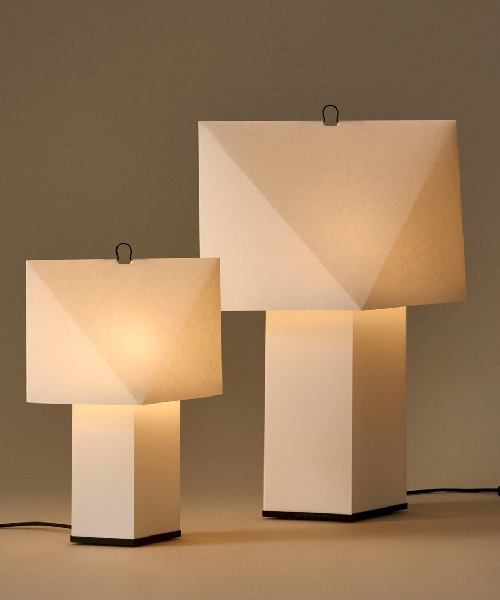
Available at: Hay (hay.dk), Utility, Heal’s, design retailers
Best for: Those who want a genuinely designed table lamp that functions as a design object as much as a light source.
Hay is the Danish design brand whose home objects consistently achieve the specific quality of looking both beautiful and right without effort. The Room lamp — a simple glass globe shade on a coloured base — provides warm, diffused light and reads as a design object that chose itself rather than one that was chosen. In the specific Hay colour palette (terracotta, sage, dusty pink, deep blue), the lamp suits contemporary interiors without being trend-dependent.
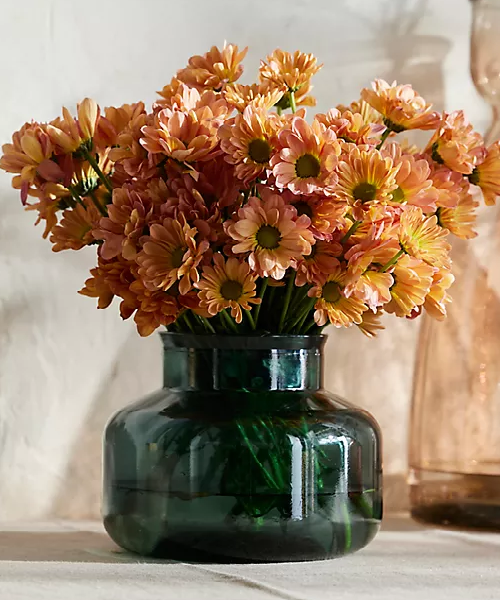
Available at: Anthropologie (anthropologie.com), in stores
Best for: Those who want a genuinely beautiful vessel that works with flowers and equally well without them.
Anthropologie’s glass hurricane vases and decorative vessels are the home decor recommendation for those who want objects that look right on surfaces with or without the flowers that most vases require to justify their presence. The glass quality, the subtle colour variations in the hand-blown ranges, and the proportions produce vessels that read as considered design objects even when empty.
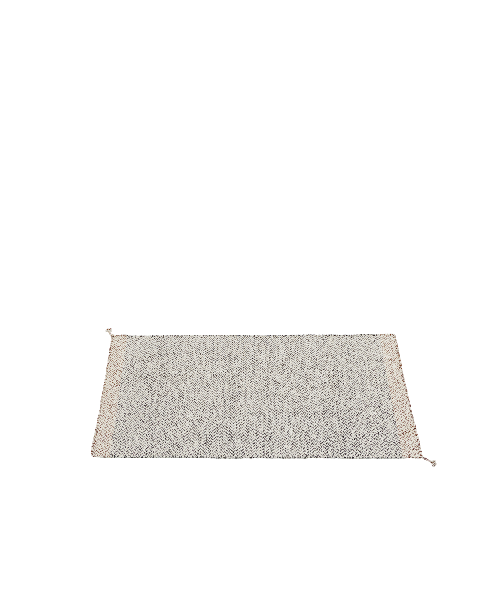
Available at: Muuto (muuto.com), Utility, design retailers
Best for: Those who want a quality rug that anchors a living room seating arrangement with a distinctive, considered design.
The rug is the single purchase that most changes a living room — it defines the seating area, adds warmth and texture to hard floors, and reduces the echo quality of unfurnished rooms. The Muuto Restore rug uses recycled materials in colour combinations that are neither neutral nor aggressively coloured — the specific palette that reads as considered without demanding the room adapt around it.
The size guidance for living room rugs: the front legs of all seating in the arrangement should sit on the rug. A rug that only partially covers the seating arrangement or that doesn’t reach all pieces reads as too small, which is the most common rug mistake.

Available at: Hay (hay.dk), Utility, Monoqi
Best for: Those who want genuinely designed art prints at accessible prices for a gallery wall or standalone placement.
Hay’s botanical and typographic poster range produces quality art prints at prices that make building a gallery wall financially accessible. The specific quality is the printing precision and paper weight — these are not standard photographic prints, they’re properly produced art prints with the colour depth and paper quality that make the difference between a print that looks like a poster and one that looks like art.
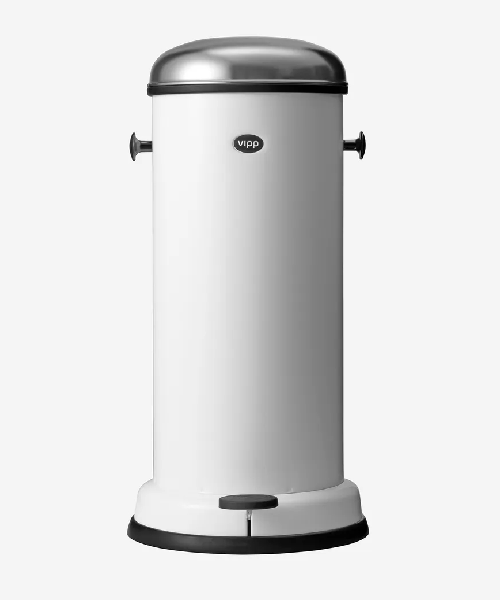
Available at: Vipp (vipp.com), Utility, design retailers
Best for: Those who want the best-designed, best-constructed waste bin available as a deliberate home design choice.
The Vipp pedal bin has been produced in Denmark to the same standard since 1939 and is genuinely the most beautiful and most functional waste bin available at any price. The steel construction, the smooth pedal action, the rubber ring that prevents closing noise — every design decision has been considered and maintained for over eighty years without needing revision.
A bin in a kitchen or bathroom is not a neutral object — it’s present in daily view and daily use. The Vipp makes it something worth having rather than something to hide, which is the specific home decor intervention that the category rarely receives.
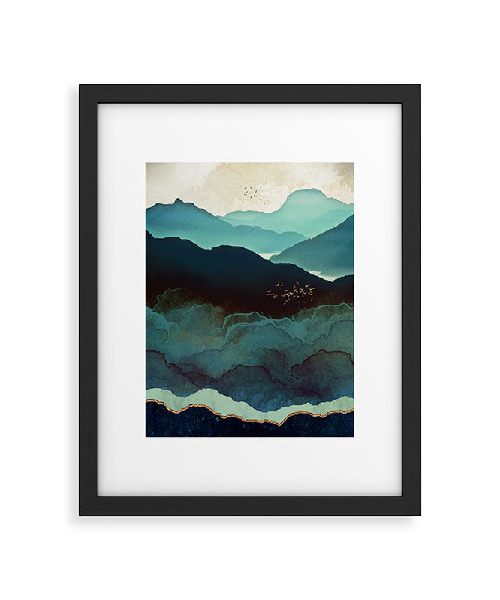
Available at: Society6 (society6.com)
Best for: Those who want to build a gallery wall from independent artists’ work at accessible prices with a wide range of styles.
Society6 hosts thousands of independent artists’ work in print form, with a search function that allows filtering by colour family, style, and subject. The print quality is consistent because Society6 controls the printing process — the paper weight and colour accuracy are appropriate for residential display regardless of which artist’s work is being printed.
The specific approach for a cohesive gallery wall: filter by colour family rather than subject, and look for prints that share something — a tone, a style, a subject relationship — without being identical. The arrangement that reads as a collection rather than a random gathering has internal coherence while maintaining visual interest.
Conclusion
The best home decor is specific, personal, and correctly scaled for the space it’s in. Hay Room lamp for the design object that illuminates. Anthropologie hurricane vases for vessels that look right with and without flowers. Muuto rug for the living room anchor that defines the seating area. Hay posters for quality art prints at accessible prices. Vipp pedal bin for the home object that makes daily use a design experience. And Society6 for building a personal gallery wall from independent artists at accessible prices. Whatever you buy — buy larger than the instinct suggests, edit before adding, and buy what you genuinely love rather than what currently appears on design mood boards.

