

Finding jeans that fit is one of the more genuinely frustrating exercises in women’s fashion. The problem isn’t just that different brands size differently — though they do, wildly, in ways that make buying online feel like gambling. The problem is that women’s bodies are variable in ways that standard denim sizing consistently fails to account for. Waist-to-hip ratios vary. Inseam length varies. Thigh circumference varies. The leg silhouette that looks incredible on one body type can look completely wrong on another with the same numerical measurements. And yet denim is sold in numerical sizes that pretend none of this complexity exists.
What I know after years of trying and discarding jeans is that fit depends more on which brand’s specific cut matches your specific proportions than on any general styling advice about what “works for your body type.” The brands below have all found their way into permanent rotation because their cuts happened to be the ones that worked. Your experience will depend on your proportions. But these are the brands worth trying first.
Products
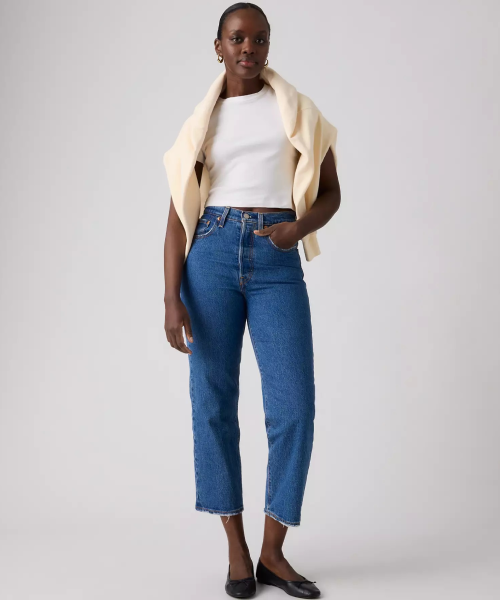
A high-rise that actually sits at the natural waist, a straight leg with enough room through the thigh to be genuinely comfortable, a cropped length that works with most shoes without requiring a specific heel height. The Levi’s Ribcage is the jean that showed a lot of people what a high-rise straight leg was supposed to feel like.
- Price: $98–$118
- Available at: Levi’s (levi.com), ASOS, Nordstrom, in stores
- Best for: Those who want a high-rise straight leg that fits through the waist without gaping and is genuinely comfortable to wear all day
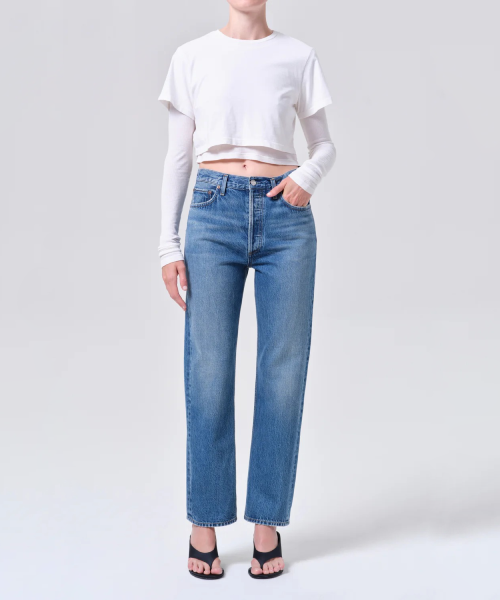
The mid-rise version of the vintage-inspired straight leg that photographs so well and wears even better. The denim weight is above most contemporary denim — substantial enough to hold its shape through a full day rather than relaxing into a formless state by afternoon.
- Price: $218
- Available at: Agolde (agolde.com), Net-a-Porter, ASOS, Revolve
- Best for: A genuine investment denim that fits correctly, holds its shape, and lasts several years of regular wear
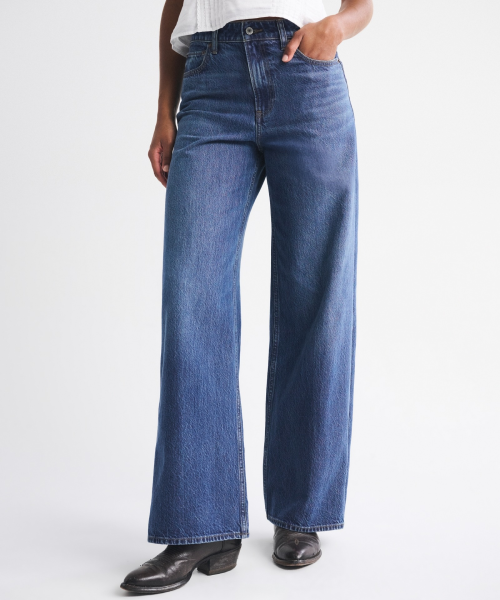
Specifically cut with a larger seat and hip measurement relative to the waist — solving the gap-at-the-back-waistband problem that standard denim sizing creates for women with significant waist-to-hip ratio. This is the jean that changed a lot of people’s relationship with denim.
- Price: $88–$98
- Available at: Abercrombie & Fitch (abercrombie.com), in stores
- Best for: Those who consistently experience waistband gapping in standard denim sizing — this cut was specifically designed to solve that problem
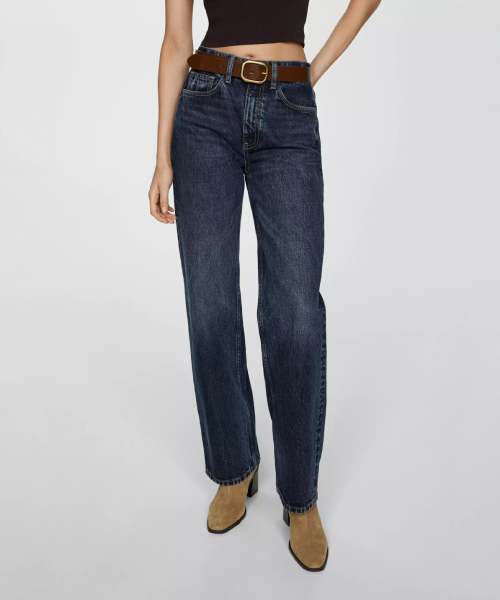
Mango’s denim quality is consistently above their price point, and the straight high-waist cut in the light or mid wash is one of the most versatile casual denim options available at a genuinely accessible price. Washes well and holds its shape better than most comparable price-point denim.
- Price: $59
- Available at: Mango (mango.com), in stores
- Best for: An accessible, well-fitting high-waisted straight leg for everyday casual wear
Why Denim Fit Is So Personal
The reason finding jeans feels harder than finding any other piece of clothing is that denim as a material has very little give compared to most other fabrics women wear. A knit or a woven with stretch forgives a lot of fitting issues — it adjusts to the body, accommodates variation, drapes around rather than constraining. Denim, especially raw or rigid denim, does not. It sits against the body exactly the way it’s cut and if the cut doesn’t match your proportions, there’s nothing the fabric does to help.
The variables that matter most in denim fit are: the rise (how high the waistband sits relative to your natural waist, which determines whether there’s a gap at the back, whether the seat fits, and how the overall silhouette reads from the side), the thigh opening (whether there’s enough room to be comfortable sitting, walking, and getting in and out of cars without strain), and the hem length and width relative to the shoes you’ll be wearing most. All of these vary between brands and between cuts within the same brand, which is why size isn’t a reliable guide to whether something will fit.
The only reliable way to find denim that works is to try several cuts and pay attention to which variables are causing problems, then use that information to narrow down which cuts and which brands are solving those problems. That process is annoying and time-consuming. But it’s the process that ends in jeans you actually want to wear, which is what makes it worth doing.
High Rise vs Mid Rise — Which One Actually Works
The high-rise versus mid-rise conversation in denim is one that generates a lot of opinions and I’ll give you mine: for most women most of the time, a high rise is the more flattering and more comfortable option. The natural waist is the narrowest point of most women’s torsos, and a waistband that sits there — rather than across the mid-section or lower hip — creates the most flattering silhouette regardless of body type. It also means the denim isn’t cutting across the widest part of the hip, which is the fitting issue that makes mid-rise and low-rise denim uncomfortable to wear all day for most women.
The caveat to this is that “high rise” covers a range of actual rise measurements. The Levi’s Ribcage, which was named for its extremely high rise that genuinely reaches the ribcage, is on the extreme end. A more standard high rise — sitting at or just below the natural waist — is less extreme and works better as an all-day comfortable option for most people. The Abercrombie and Mango options on this list are in this more moderate high-rise category, which makes them easier to wear across different activities and situations.
The Straight Leg — Why It's the Right Starting Point
The straight leg is the denim silhouette that requires the least styling knowledge to wear well, which makes it the right starting point for anyone trying to build a denim wardrobe that actually functions. It’s wide enough through the leg to be comfortable and flattering across different body types, structured enough to look intentional rather than casual-by-default, and versatile enough to work with flat shoes, low-heeled boots, and most other footwear without requiring a specific heel height to make the proportions work.
Wide leg denim looks beautiful and requires more thought about proportions — specifically that the top half needs to be more fitted for the wide leg to work as intended. Skinny jeans are extremely unforgiving of fit issues and require either very comfortable in your skin confidence or a very specific body type to feel genuinely good in them. The straight leg is in between in all these ways, which is exactly why it’s the reliable starting point.
The Question of Wash
Denim wash is one of the easier decisions within the complexity of buying jeans. Light wash reads as casual and summery and works well with earth tones, warm colors, and relaxed casual aesthetics. Medium wash is the most versatile — it reads as casual without being specifically seasonal, pairs with most things, and doesn’t require as careful maintenance as white or very light wash denim. Dark wash reads as more dressed up, photographs well, and works in smarter casual contexts where light wash would feel too relaxed.
For a first or second pair of jeans, medium wash is almost always the right call. It’s the wash that requires the least styling thought to work across different outfit contexts, which is what most people actually want from an everyday denim choice.
How Often Jeans Actually Need to Be Washed
Less often than you think. This is the advice that most people don’t follow and that makes a meaningful difference to how long denim lasts and how well it holds its shape over time. Denim doesn’t need to be washed after every wearing unless something has actually been spilled or the fabric is genuinely dirty. Air them out between wearings rather than throwing them in the wash. Wash inside out on a cold cycle when they do need washing. Never put them in a tumble dryer — the heat causes shrinkage and breakdown of the fiber that dramatically shortens the lifespan of any denim.
The Levi’s Ribcage, the Agolde, and the Abercrombie jeans on this list are all substantial enough in their denim weight to hold their shape well between washes. The Mango option is lighter weight and benefits even more from the less frequent washing approach.
Conclusion
Finding jeans that fit is a genuinely personal process that requires trying things and paying attention to which variables are causing the fitting problems, then finding the cuts that solve those problems rather than working around them. The Levi’s Ribcage is the high-rise straight leg that showed many women what properly fitting denim was supposed to feel like. The Agolde 90s Pinch Waist is the investment option that holds its shape and fit across years of wearing. The Abercrombie Curve Love was specifically designed to solve the waistband-gapping problem that standard sizing creates for women with significant waist-to-hip ratios, and it does that job better than almost anything else at the price. And Mango delivers a well-fitting, well-washing everyday high-rise straight at the most accessible price on the list. Between these four there’s a starting point for almost any denim fitting challenge — the work is in figuring out which one matches your specific proportions.

