
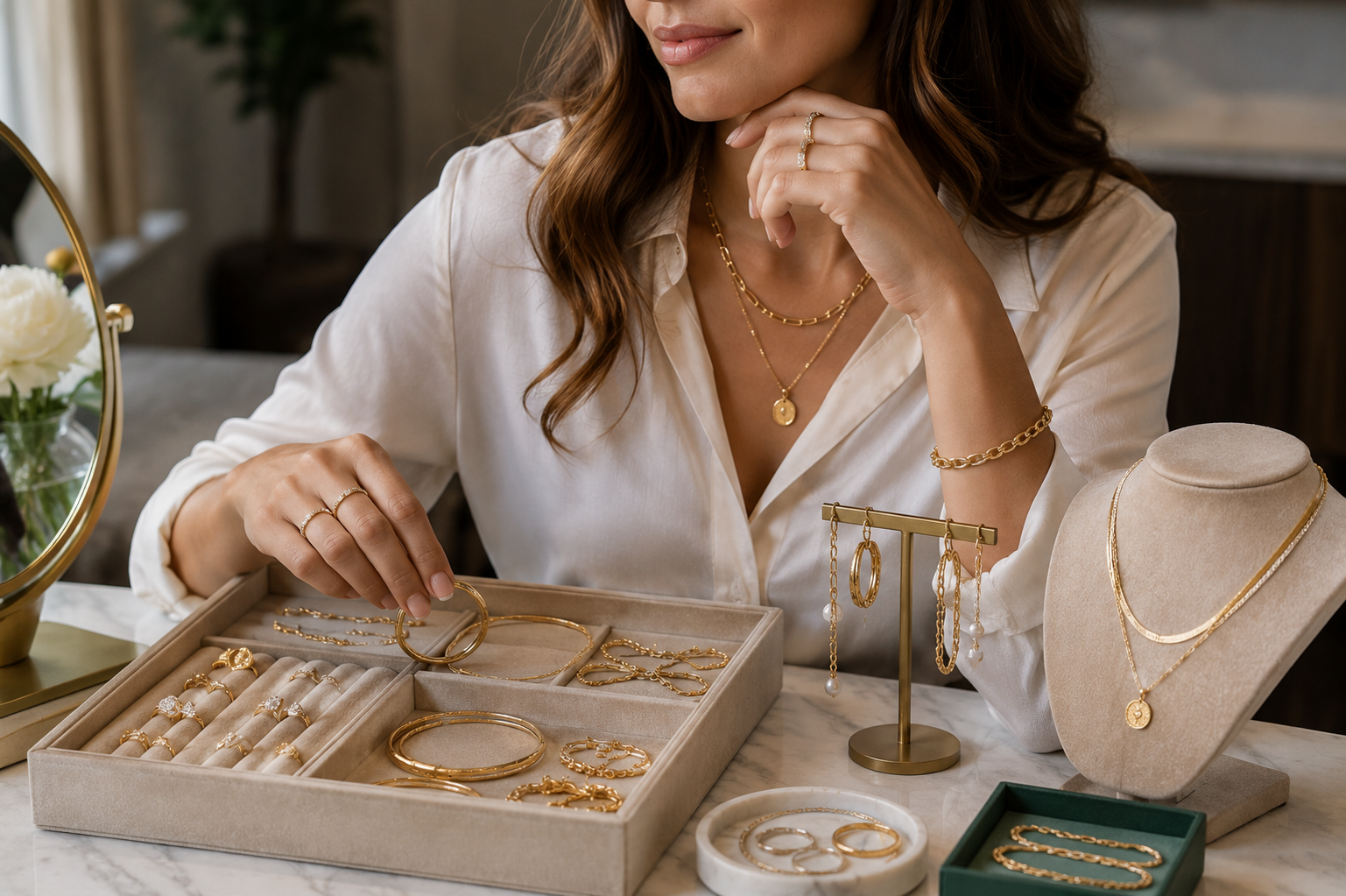
Jewelry is the category where the quality gap between expensive and cheap is most immediately visible in daily wear, and also the category where people most consistently overpay for branding rather than quality. The piece that’s plated in thin gold over cheap brass turns green on your wrist within a week. The piece that’s solid 14k gold looks exactly the same in ten years as it did the day you bought it. Between those two extremes there’s a range of options that perform better than the price suggests — and the knowing where to find them is most of the work.
What I look for in jewelry that’s worth buying: material quality that holds up through daily wear including showering and exercise (or at minimum, easy removal that you’ll actually maintain), design that reads as considered rather than trend-specific, and construction quality at clasps and connections that doesn’t fail within the first year. The pieces below have all passed those tests.
Products
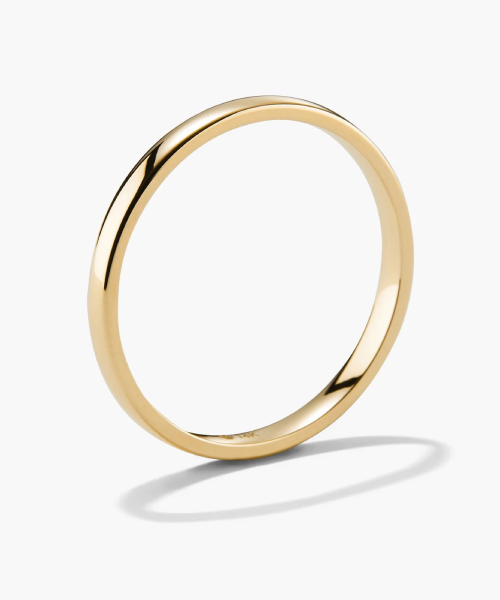
Mejuri produces 14k solid gold jewelry at prices that are significantly below traditional jewelry retailers because they sell direct and design in-house. The thin band ring is the most universally wearable piece in their collection — works on any finger, stacks beautifully, reads as considered without demanding attention.
- Price: $98–$148
- Available at: Mejuri (mejuri.com), in stores
- Best for: The everyday gold ring that looks right with everything and holds up through daily wear because it’s solid gold rather than plated
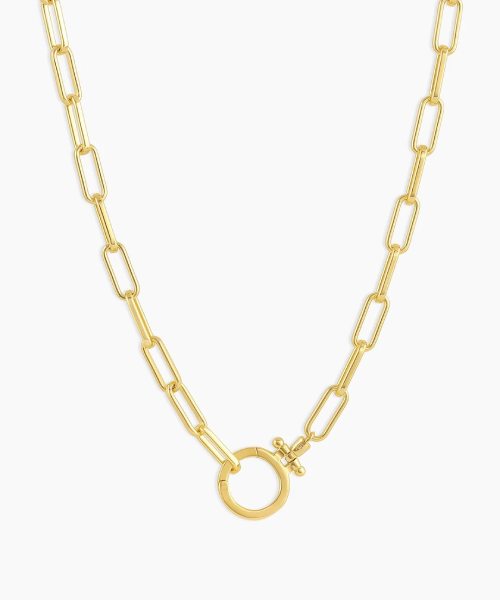
Gorjana makes 18k gold-plated jewelry with a real commitment to the plating thickness and quality of the base metal, which makes their pieces significantly more durable than standard fashion jewelry at a similar price. The Parker pendant is the piece that works with most necklines and most outfit aesthetics.
- Price: $68
- Available at: Gorjana (gorjana.com), Nordstrom
- Best for: A delicate everyday gold necklace that holds up to daily wear better than most fashion jewelry at this price point
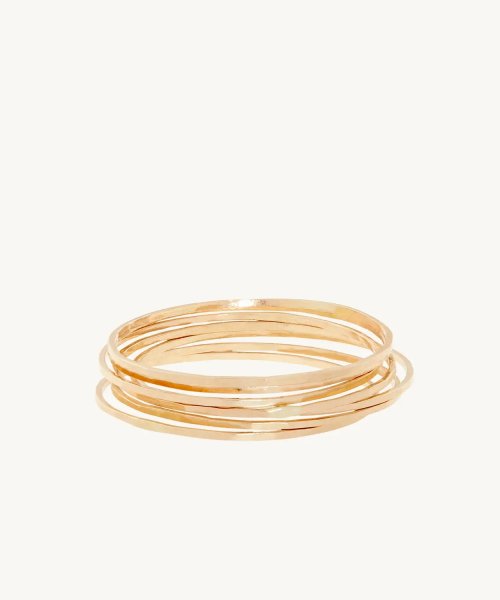
Catbird produces delicate jewelry in solid 14k gold with a very specific aesthetic — minimal, modern, slightly imperfect in a deliberate way that reads as artisanal rather than mass-produced. The Threadbare ring is one of their most worn pieces for good reason.
- Price: $148
- Available at: Catbird (catbirdnyc.com), in stores in New York
- Best for: Stackable 14k gold rings for those who want genuine fine jewelry at an accessible price with a distinctive aesthetic
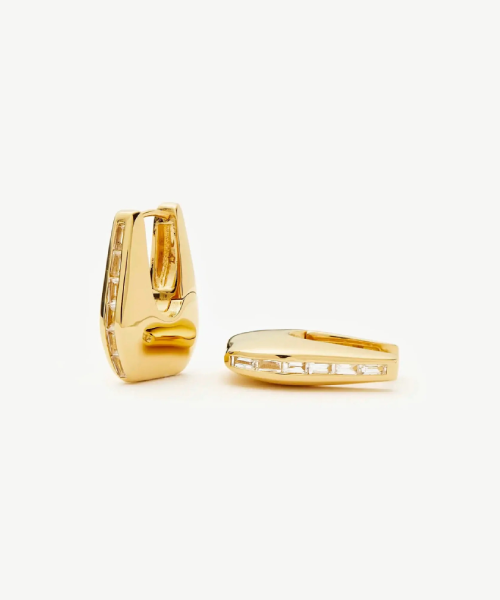
Missoma occupies the fine jewelry-adjacent price point with gold-vermeil construction that’s among the most durable in the category. Their classic hoops are the earrings that work with everything — every hair length, every outfit formality, every occasion from casual to dressed up.
- Price: $89–$119
- Available at: Missoma (missoma.com), in stores
- Best for: The everyday gold hoop that pairs with any outfit and holds up significantly better than standard fashion jewelry
Understanding Material Quality in Jewelry
The jewelry material hierarchy matters more than almost any other quality decision in the category because it determines directly how long a piece will look good and how much maintenance it requires.
Solid gold — 14k or 18k — is the material that doesn’t tarnish, doesn’t turn skin green, doesn’t lose its color with wear or water exposure. It’s also the most expensive option. 14k is the sweet spot for everyday jewelry because it has enough gold content to look genuinely beautiful while being hard enough for daily wear without the softness that makes 18k and 24k gold more vulnerable to scratching.
Gold vermeil is a thick layer of gold — at least 2.5 microns by legal standard — over sterling silver. Quality vermeil from brands like Gorjana and Missoma is considerably more durable than standard gold-plating and holds up to daily wear well with reasonable care. The limitation is that it will eventually wear through at friction points with very regular wear, particularly at clasps and any place where the piece constantly contacts skin or clothing.
Standard gold-plating over brass is the bottom of the range. It looks the same as the other options in product photography. It behaves completely differently in daily wear — turning skin green as the brass reacts with sweat, losing its gold color at friction points within weeks to months rather than years. Pieces in this category are not worth buying regardless of how good the design is, because the material will fail before the design becomes tired.
The Case for Investing in Solid Gold Basics
The cost-per-wearing math works unusually well for solid gold jewelry, particularly for the pieces you wear every day. A solid 14k gold ring that costs $150 and you wear every day for ten years has a cost-per-wearing of about $0.04. A plated ring at $25 that needs replacing every six months costs more over the same period and never looks as good. The solid gold piece also has residual material value — it can be melted down and remade, sold, or kept across generations in a way that plated costume jewelry cannot.
This doesn’t mean every piece of jewelry needs to be solid gold. The raffia earrings from a market that cost $12 and are perfect for summer have their place. But for the everyday pieces that are on your body every day, every hour, going through washing, exercise, sleep — the material quality is worth the investment because the alternative costs more over time while delivering less.
Building a Jewelry Collection
The jewelry collection that actually works is not a large one. It’s a small number of pieces in good materials that work together and with the range of outfits you wear, supplemented by occasional seasonal or trend pieces that can be replaced without heartbreak.
The foundation: a pair of everyday earrings (a small hoop or a simple stud that works with everything), a delicate everyday necklace (pendant or chain at a length that suits your neckline preference), and a simple ring or ring stack. All of these in solid gold if the budget allows, or high-quality vermeil if it doesn’t.
On top of the foundation: occasional statement pieces for specific occasions, seasonal pieces that are low-cost and high-fun, and any inherited or meaningful pieces that have a history beyond the aesthetic. The foundation is permanent. Everything else orbits it.
How to Take Care of Jewelry So It Lasts
The most important thing: remove gold vermeil and plated jewelry before showering, swimming, and exercising. The combination of water, sweat, and chlorine accelerates plating wear dramatically. Solid gold can handle all of these without issue, which is one of the reasons it’s worth the investment for truly everyday pieces.
Store pieces individually or on a jewelry stand rather than in a pile where they scratch each other. Clean gold jewelry with a very soft brush and warm soapy water every few weeks to remove the skin oil and product buildup that makes gold look dull rather than bright. For vermeil, be gentler — a soft cloth to buff rather than water-cleaning.
Conclusion
Jewelry worth buying is jewelry made from materials that hold up — solid gold for the pieces you wear every day without thinking, quality vermeil from brands that care about plating thickness for the pieces you’re more careful with, and low-cost seasonal pieces for the moments when fun matters more than longevity. Mejuri’s 14k solid gold pieces represent the best value in genuinely fine everyday jewelry at an accessible price. Gorjana and Missoma both deliver above-average plating quality in their price tier. And Catbird produces delicate fine jewelry with a specific aesthetic that’s worth knowing about for those who want something with a bit more character than the classic minimalist pieces. Between these options, the foundation of a jewelry collection that looks good, holds up, and works with real daily life is completely achievable without the price tags that used to be required.

