

The journaling and mindfulness category has a specific problem with products: the product can’t produce the practice. The beautiful notebook sits empty. The meditation app subscription runs for six months with the habit lasting six weeks. The mindfulness journal with prompts gets filled in for two weeks and then becomes a record of the gap between intention and consistency.
The products that support a journaling or mindfulness practice don’t create it — they lower the friction of a practice that the person already has some genuine motivation for. Understanding this changes which products are worth buying. The one that reduces the starting friction. The one that makes the practice more enjoyable in the moment. The one that helps with the retrieval and review of what was written, not just the writing itself. Those are the products that earn their place.
Products
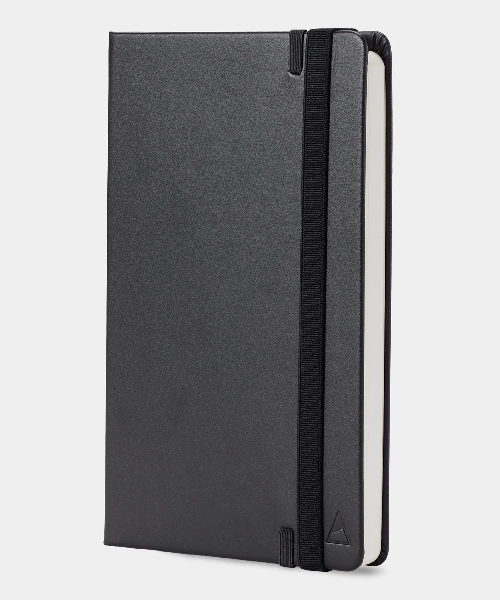
Nomatic’s leather journal applies their functional design philosophy to a classic format — the slim, durable, properly bound journal that travels easily, lays flat when open for writing, and uses paper weight that handles most pens and markers without bleed-through. The leather cover ages well rather than looking worn, which means the journal looks better over its use period rather than worse. For those who journal by hand, the quality of the journal affects the quality of the practice in small but real ways.
- Available at: Nomatic (nomatic.com)
- Best for: The journaling practice that happens by hand — the well-made, properly bound journal that makes the physical act of writing feel like a deliberate choice

Kittl’s design platform allows creating custom journaling templates — the specific prompts, the habit tracking layouts, the gratitude formats, the reflection structures that make journaling more directed and useful than a blank page. For those who find the blank journal page more paralyzing than inviting, custom templates that guide the session toward specific types of reflection produce more consistent practice than starting from nothing.
- Available at: Kittl (kittl.com)
- Best for: Creating structured journaling templates that make the practice more consistent and more directed — particularly useful for those who want journaling to serve specific reflection goals
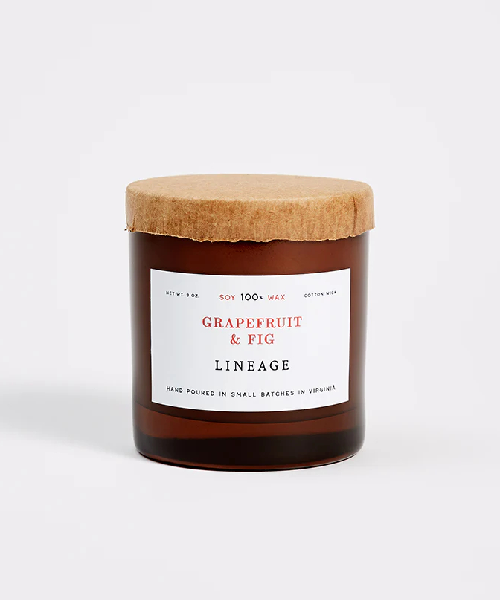
Lineage Provisions produces candles specifically designed around contemplative practices — the scent profile chosen for the specific effect of calming the nervous system through aromatherapy rather than simply producing a pleasant smell. Lavender, frankincense, and cedarwood at genuine therapeutic concentrations rather than trace amounts in a fragrance blend. The ritual of lighting the candle — the specific sensory signal that this is meditation or journaling time — is what makes it useful rather than just pleasant.
- Available at: Lineage Provisions (lineageprovisions.com)
- Best for: Creating a consistent sensory environment for journaling or meditation practice — the candle that signals contemplative time through repeated association
What Journaling Actually Does
The evidence base for journaling is more specific and more interesting than the general wellness context around it suggests. The research most consistently supports expressive writing — writing about thoughts and feelings regarding difficult events or ongoing stressors — for specific outcomes: reduced anxiety, improved mood, and in some studies improved immune function. The mechanism appears to be the transformation of overwhelming experience into structured narrative, which reduces the cognitive and emotional load of unprocessed experience.
This is different from the gratitude journaling that most mindfulness content recommends, which has its own evidence base around mood — positive affect increases with consistent gratitude practice — but operates through a different mechanism. Both have evidence. They serve different functions. Knowing which you’re trying to achieve helps clarify what type of journaling practice is worth establishing.
The specific practical finding: journaling done consistently three to four times per week produces the outcomes the research documents better than daily journaling, which creates obligation that undermines consistency. The practice that happens consistently matters more than the one that’s intended to happen daily.
The Meditation Practice Distinction
Meditation and journaling are often discussed together in wellness contexts but serve different functions and have different evidence bases.
Meditation — specifically mindfulness meditation, which trains present-moment attention rather than relaxation — has the strongest evidence base of any mind practice for specific outcomes: reduced anxiety and depressive symptoms, improved attentional control, reduced inflammatory markers in some research. The effect sizes are modest but consistent across many studies and populations. The practice that produces these outcomes is daily, 15–30 minutes, sustained over at least eight weeks — not the occasional meditation that the wellness market implies is sufficient.
The products that support meditation are primarily the ones that reduce friction and create the environmental conditions that make the practice easier to start. The candle that signals meditation time. The specific space that becomes associated with the practice. The time in the schedule that becomes protected.
Building the Practice Before Buying Products
The sequence that works for establishing any mindfulness or journaling practice: start with the minimum viable version before investing in products. Five minutes of writing in any notebook before a beautiful journal. Ten minutes of silent sitting before a meditation app subscription. The practice established at minimum viable scale reveals whether the interest is genuine and what the actual barriers are, which makes subsequent product decisions more useful.
The person who has journaled in a spiral notebook for a month and found the practice genuinely valuable is the person for whom a Nomatic journal is worth buying. The person who hasn’t started yet is better served by whatever pen and paper are immediately available — the product investment follows the practice rather than preceding it.
Conclusion
Journaling and mindfulness products worth buying are those that support an established or genuinely intended practice rather than those that represent an aspiration to practice. Nomatic’s leather journal makes the physical experience of journaling more deliberate and pleasurable for those who already journal by hand. Kittl’s templates reduce the blank page paralysis that prevents some people from starting. Lineage Provisions’ candle creates the sensory signal that marks mindfulness time as distinct from other time. And Balance of Nature’s tracker adds the data layer for those who want to track the relationships between daily habits and mood and energy. The practice itself — the consistent returning to a page or a cushion — is what produces the outcomes. The products just make it easier to keep returning.

