
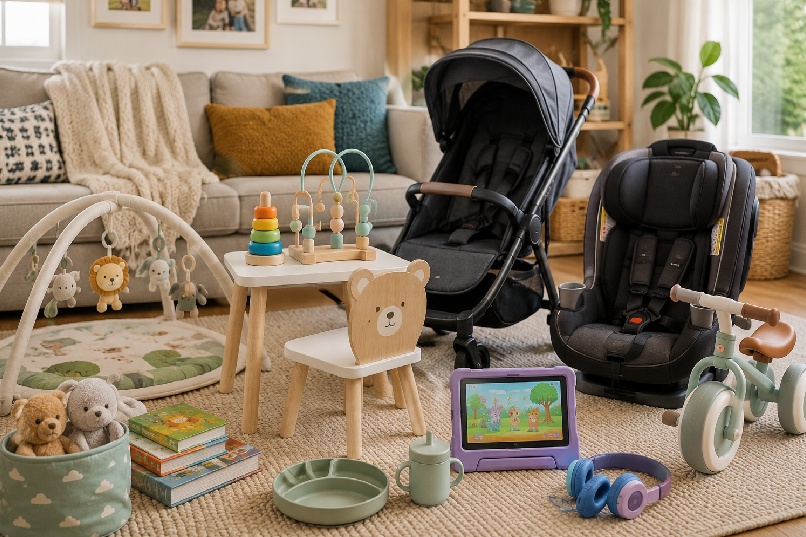
The children’s product market is enormous and generates an enormous proportion of things that children do not care about, that parents buy from anxiety or social comparison, and that end up in a garage sale within two years. The toys that get played with twice. The educational systems that produce no measurable benefit. The gadgets that look impressive and hold attention for a week.
The products that are actually worth it have a consistent profile: they hold attention across a longer period than the first week, they serve the child at their current developmental stage rather than the stage they might be at eventually, and they produce the kind of play or learning that rewards continued engagement rather than one-time novelty. The products below have that profile.
Products
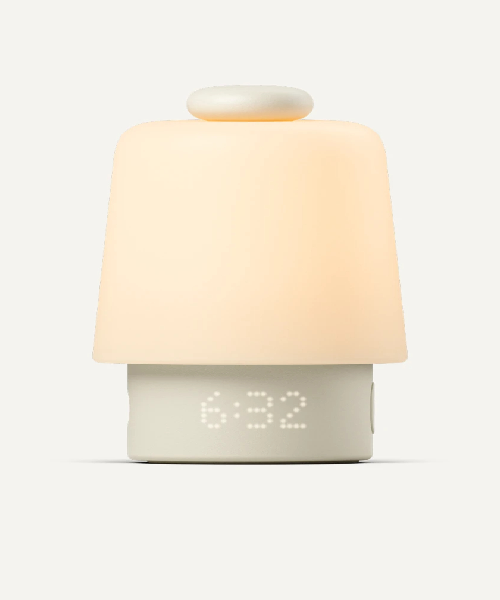
The Hatch Rest+ extends the Rest sound machine and night light into the toddler and child developmental stage with the totem — a physical object the child can tap to turn on their chosen nighttime sound and light setting. The totem operation means children as young as 18 months can control their own sleep environment, which produces the specific independence that helps children fall back asleep independently when they wake during the night rather than requiring parental intervention. The clock feature, which changes color to signal morning, teaches children to wait until it’s the right time to get up — the specific toddler parenting challenge that the Hatch addresses directly.
- Available at: Hatch (hatch.co), Target, Amazon, Buy Buy Baby
- Best for: Toddlers and children through school age who need sleep environment management that transitions from parental control to child independence — the sleep tool that grows with the child
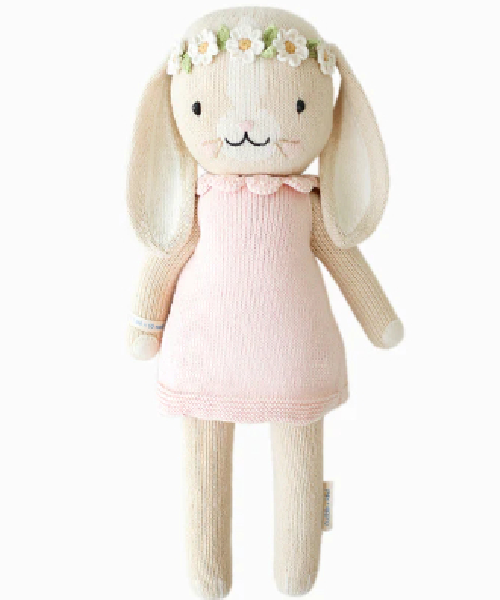
Cuddle+Kind’s hand-knit animals and dolls are the toys that become the comfort objects children carry everywhere for years. The quality of the knitting — genuine artisan craftsmanship from Peruvian makers — means they hold up to the kind of daily carrying, washing, and enthusiastic use that children’s comfort objects receive. Each purchase provides meals for children in need through the brand’s charitable model, which adds meaning to a purchase that’s already good on its own terms.
- Available at: Cuddle+Kind (cuddlekind.com)
- Best for: The comfort toy gift or purchase that holds up to years of use and carries a genuine ethical and charitable story alongside its quality
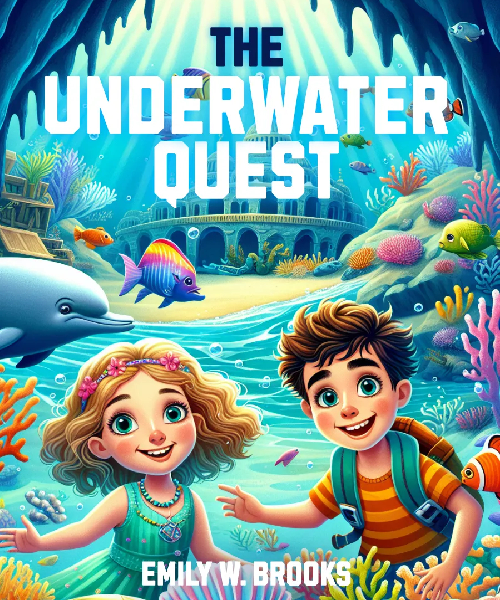
Kittl’s design platform allows creating custom educational and entertainment content for children — personalized flashcards, custom sticker books, custom story templates, and learning materials tailored to the individual child’s interests and learning stage. For parents who find generic educational materials insufficiently engaging for their specific child, Kittl provides the customization tool that makes the content more relevant.
- Available at: Kittl (kittl.com)
- Best for: Parents who want to create custom educational content for their children — the tool that allows personalizing materials to the specific child rather than using generic alternatives
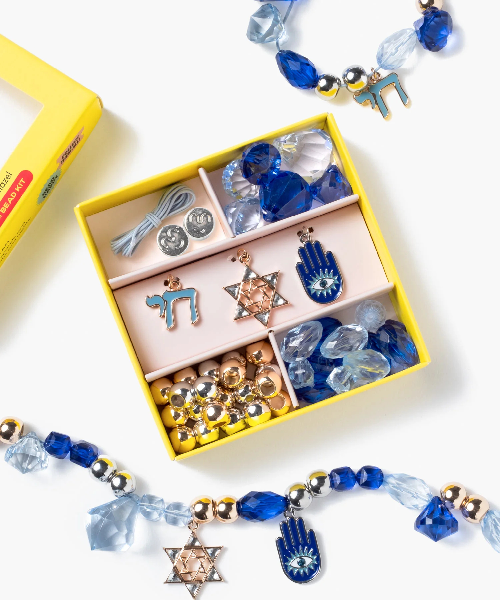
Super Smalls produces children’s jewelry and accessories that are genuinely designed rather than being cheap plastic versions of adult accessories. The enamel pins, the considered necklaces, the playful rings — all designed with the same care as their adult products but specifically for children’s wear and interests. For children who are interested in accessories and self-expression, Super Smalls provides the quality that makes the interest feel respected.
- Available at: Super Smalls (supersmalls.com), Target, Nordstrom
- Best for: Children who love accessories and self-expression — the quality children’s jewelry that treats children’s aesthetic interests with the same seriousness as adult interests
The Toy Question and What Children Actually Play With
The toys that children actually play with for more than a week are consistently different from the toys that seem most impressive at purchase. The research on child’s play is fairly clear that open-ended toys — those without a prescribed use, where the child determines what the toy does — produce longer engagement than closed-ended toys with specific functions. Blocks over electronic learning toys with specific responses. Dress-up clothes and craft materials over activity sets with single correct outputs. Building and construction over the toy with one impressive function.
This doesn’t mean electronic or single-function toys have no value. It means that the toy that impresses an adult at purchase is often not the toy the child reaches for at 3pm on a rainy Wednesday three months later, and the Wednesday toy is the one worth investing in.
Screen Time and the Alternatives
Screen time for children is one of the most fraught parenting topics in the current environment, and the conversation has become so polarized between panic and dismissal that most practical guidance gets lost in the noise. The more useful framing: screen content quality and context matter more than screen time quantity alone, and the alternatives to screens need to be genuinely appealing rather than imposed.
The Hatch’s totem control is specifically designed to give children agency over a non-screen entertainment option — the audio books, the music, the sound environments they can control themselves. Children who have non-screen options that they can control independently and that genuinely engage them use screens less by default rather than by restriction, which produces a different and generally better dynamic.
Gifts for Children That Land
The children’s gifts that are remembered and returned to are the ones that match the specific child’s current interests and developmental stage rather than the ones that seem impressive or educational in a general sense. The craft kit for the child who wants to make things. The active outdoor toy for the child who wants to move. The comfort toy for the child who’s in a soft toy stage. The specific book about the specific animal they’re obsessed with.
Cuddle+Kind’s toys work as gifts across a very wide age range precisely because the comfort object quality — the soft, well-made, endearing character — is appealing from infancy through middle childhood. The quality of the craftsmanship means the toy survives the duration of the interest rather than falling apart when the attachment is deepest.
Conclusion
Children’s products worth buying are those that hold attention beyond the first week and that match the child’s specific developmental stage and interests rather than the product’s marketing aspirations. Hatch Rest+ is the sleep tool that transitions from parental management to child independence across the full range of early childhood. Cuddle+Kind toys are the comfort objects that hold up to years of genuine use. Kittl provides the customization tool for parents who want to create specific rather than generic educational content. And Super Smalls treats children’s interest in accessories and self-expression with the quality and seriousness it deserves. The through-line is genuine quality and developmental appropriateness rather than impressive functionality that children quickly exhaust.

