
Kitchen gadgets are the gift category that most often produces the drawer of unused items — the mandoline that seemed like it would revolutionise vegetable prep and has been used four times, the spiraliser from the courgette-noodle phase, the electronic can opener that works less reliably than the manual one it replaced. The kitchen gadget market is vast and the percentage of it that produces genuine daily improvement is relatively small.
The gadgets worth buying are those used frequently enough to justify the drawer, shelf, or counter space they occupy and that produce a measurably better result than the alternative without them.
The Kitchen Gadget Test
A kitchen gadget earns its place if it: produces a result that’s significantly better than the equivalent without it, is used frequently enough that the friction of retrieving and cleaning it is worth the result, and doesn’t have a simpler, cheaper alternative that produces the same outcome.
The chef’s knife performs better than virtually every kitchen gadget for vegetable preparation. The mandoline produces results the knife cannot for specific applications (paper-thin slices, consistent julienne). The mandoline earns its place if those specific applications happen regularly — not if they happen occasionally and the knife serves most vegetable prep adequately.
The Best Kitchen Gadgets Worth Buying
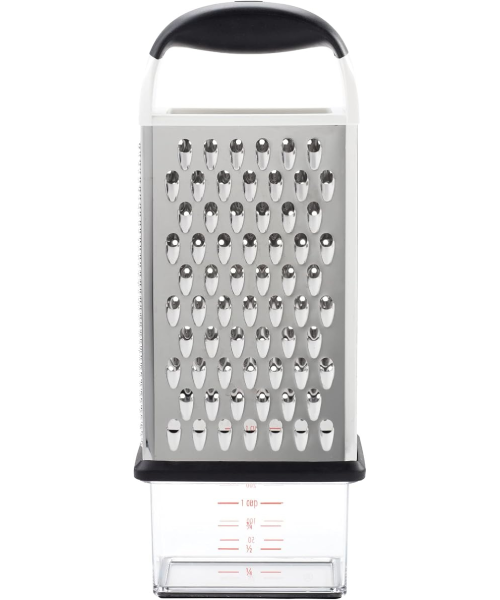
Available at: OXO (oxo.com), Amazon, John Lewis, kitchen retailers
Best for: Grating cheese, vegetables, chocolate, and citrus zest with comfort and efficiency.
The box grater is the kitchen tool that most people own in a version that doesn’t work well — the cheap flat grater that slides on the board, doesn’t have a stable base, and requires more force than the task should require. The OXO Good Grips box grater has a non-slip base that stays in place during use, a container that catches the grated material below the grater (eliminating the board mess), and four grating surfaces covering fine zesting through coarse vegetable preparation.
Used twice weekly for the cheese grating that most households do consistently, the OXO becomes one of those kitchen tools that’s used so regularly it becomes invisible — which is the specific quality of a genuinely useful kitchen tool.
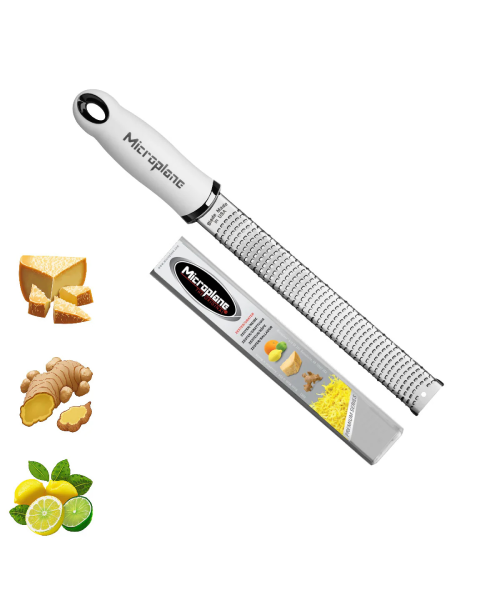
Available at: Microplane (microplane.com), Amazon, John Lewis
Best for: Zesting citrus, grating parmesan, grating chocolate, and grating fresh nutmeg.
The Microplane zester produces results that no box grater achieves for the specific applications — citrus zest without the bitter white pith, parmesan so finely grated it melts into pasta rather than sitting on top, fresh nutmeg ground finely enough to distribute through a béchamel without chunks. The etched steel blade (rather than punched holes) is the technology that produces this quality at a price that makes the purchase trivial.
At £12–18, the Microplane is the kitchen tool recommendation that earns its cost most immediately — the first use demonstrates why the previous grater was inadequate for these specific tasks.
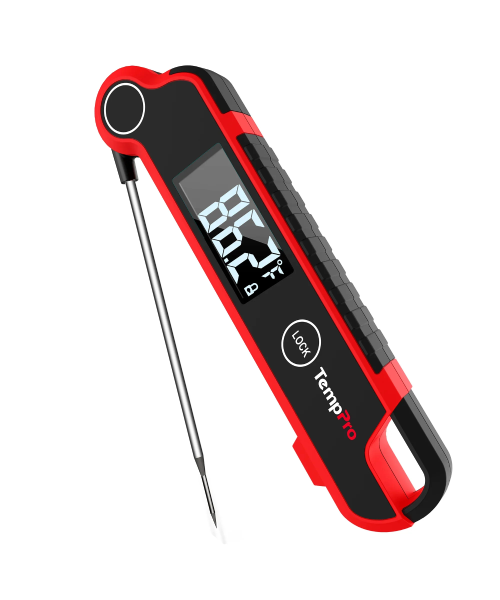
Available at: Amazon, ThermoWorks (thermoworks.com), kitchen retailers
Best for: Anyone who cooks meat and wants to eliminate the guessing that produces overcooked or unsafe results.
The instant-read thermometer is the kitchen gadget that produces both food safety and food quality improvement simultaneously — the chicken that’s cooked to exactly 74°C internal temperature rather than the chicken that’s overcooked to dryness from the anxiety of undercooking, the steak that’s cooked to the preferred doneness without cutting it to check, the roast that comes out of the oven at exactly the right moment.
The ThermoWorks Thermapen One (£95–105) is the professional reference. The ThermoPro TP19 (£18–22) is the accessible alternative that produces equally accurate readings at significantly less investment. For home cooking, the ThermoPro is the recommendation — the accuracy is adequate, the speed is sufficient, and the price makes it an unambiguous purchase.
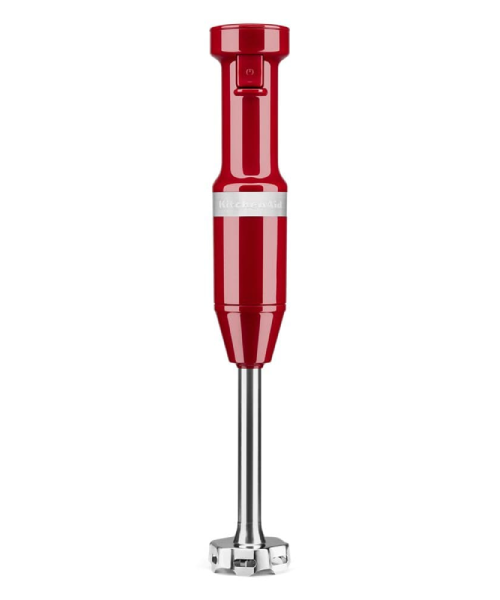
Available at: KitchenAid (kitchenaid.co.uk), John Lewis, Amazon
Best for: Blending soups in the pan, making sauces, and the daily tasks that a stand blender requires cleaning for and a hand blender handles in two minutes.
The hand blender (immersion blender) is the kitchen tool that most reduces the friction of making blended soups and sauces at home — the alternative of transferring hot soup to a stand blender in batches, blending, and returning it to the pan is the specific process friction that makes soup-making feel like more effort than it needs to be. The hand blender goes directly into the pan, blends in two minutes, and washes in thirty seconds.
The KitchenAid specifically is the recommendation over cheaper alternatives because the motor power (240W in the standard model) handles the full range of blending tasks — including harder root vegetables — without the strain and heat that underpowered hand blenders develop during sustained blending.
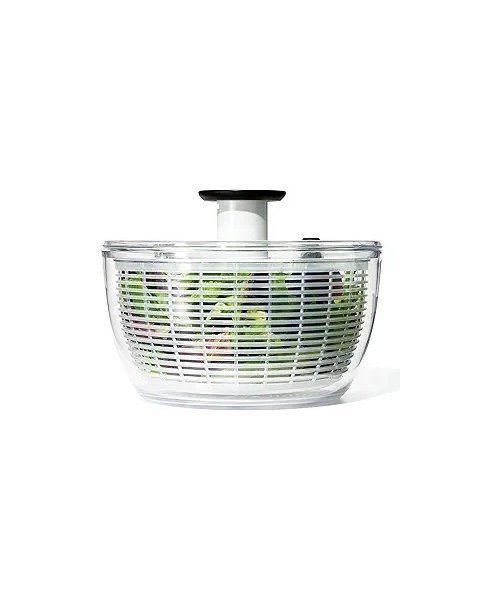
Available at: OXO (oxo.com), Amazon, John Lewis
Best for: Those who make salads regularly and want the washed leaves dried efficiently without paper towels.
The salad spinner is the kitchen tool most often overlooked and most immediately useful once owned. Dressed salad on wet lettuce dilutes the dressing and produces the wilted, poorly-dressed result that makes the salad less enjoyable than it should be. The OXO salad spinner dries a full salad bowl’s worth of washed leaves in thirty seconds, producing the dry surface that dressing adheres to correctly.
The OXO’s pump mechanism (rather than the cord-pull mechanism of cheaper alternatives) operates with one hand, is more reliable across years of use, and locks for storage in half the original footprint. For those who make salads weekly, the improvement in salad quality is immediate.
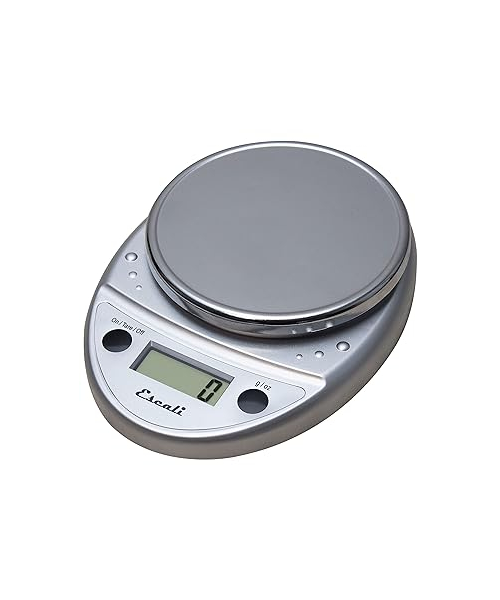
Available at: Amazon, kitchen retailers
Best for: Those who bake and want the specific accuracy that weight measurement provides over volume measurement.
Weight measurement in baking produces more consistent results than volume measurement because the density of ingredients — particularly flour — varies significantly depending on how it was stored, sifted, or scooped. A cup of flour can weigh anywhere from 120g to 160g depending on packing density. Weighing directly produces the specific accuracy that consistent baking results require.
The specific kitchen scale recommendation is a simple, accurate digital scale with a tare function (zeroing with a container on it) and a minimum resolution of 1g — features available in most scales at the £15–25 price range. The ceramic top models are the easiest to clean.
Conclusion
Kitchen gadgets earn their drawer space through frequent use that produces a clearly better result than the alternative. OXO box grater for efficient, stable grating. Microplane for the fine zesting and grating that box graters don’t achieve. Instant-read thermometer for food safety and doneness precision. KitchenAid hand blender for soups and sauces without the stand blender faff. OXO salad spinner for dressed salads that stay dressed. And a simple digital scale for consistent baking results. Whatever you buy — assess honestly whether you’ll use it at least weekly before purchasing. The kitchen gadget used weekly earns its space. The one used monthly doesn’t earn its drawer.

