
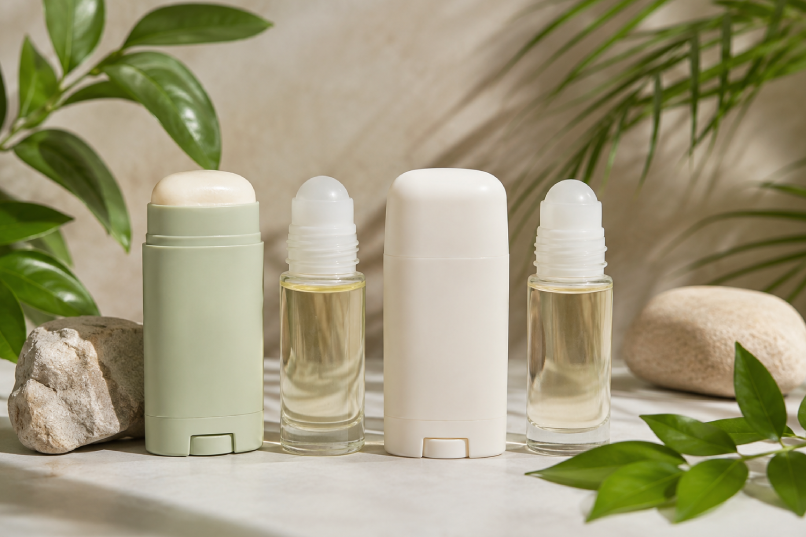
I switched to natural deodorant three times before it stuck. The first two attempts ended the same way: a week or two of feeling less than fresh, a return to conventional antiperspirant, and a general conclusion that natural deodorant was for people with different body chemistry than mine. The third attempt was with a better product and a better understanding of why the transition is difficult — and it’s been eighteen months since I’ve used anything else.
The natural deodorant category has improved significantly over the past five years. The formulations are more sophisticated, the understanding of what actually causes body odour (bacterial activity, not sweat itself) has produced more targeted approaches, and the best products now perform at a level that makes the switch genuinely worth making rather than an exercise in self-denial.
Why Natural Deodorant Is Different From Antiperspirant
The distinction matters because it determines what you should expect from the switch. Conventional antiperspirant works by using aluminium salts to plug sweat ducts and prevent perspiration entirely. It prevents both the sweating and the odour. Natural deodorant does not prevent sweating — it addresses the bacterial activity that converts sweat to odour. You will still sweat. You should not smell.
This is physiologically appropriate — sweating is a thermoregulation mechanism, not a hygiene failure. The skin microbiome that produces odour when unaddressed is managed by natural deodorant through pH adjustment, antimicrobial ingredients, or probiotic approaches rather than by preventing the sweat entirely.
The adjustment period (typically two to four weeks) occurs because conventional antiperspirant suppresses the skin microbiome. When you stop using it, the microbiome reactivates more actively than normal as it rebalances. This temporary period of more pronounced odour is not evidence that natural deodorant doesn’t work — it’s evidence that the body is adjusting. Getting through this period with the right product is what determines whether the switch succeeds.
What Makes A Natural Deodorant Work
pH management. Body odour bacteria thrive at the skin’s slightly acidic pH. Ingredients that raise the pH — baking soda (sodium bicarbonate) at appropriate concentrations, magnesium hydroxide — inhibit bacterial activity. Baking soda at high concentrations causes irritation in many people; the formulations that work best calibrate the concentration to balance effectiveness against skin sensitivity.
Antimicrobial ingredients. Ingredients like zinc ricinoleate, activated charcoal, and certain plant extracts directly address odour-producing bacteria without the pH adjustment approach. These suit those who find baking soda irritating.
Probiotic approaches. Some formulations introduce beneficial bacteria that compete with odour-producing bacteria for the same microbiome territory — a more sophisticated approach that addresses the underlying microbiome balance rather than simply inhibiting all bacteria.
Absorbent ingredients. Arrowroot powder, tapioca starch, and similar ingredients absorb some of the moisture that would otherwise sit on the skin surface, reducing the clammy feeling of natural deodorant without the sweat suppression of aluminium.
The Best Natural Deodorants Worth Buying
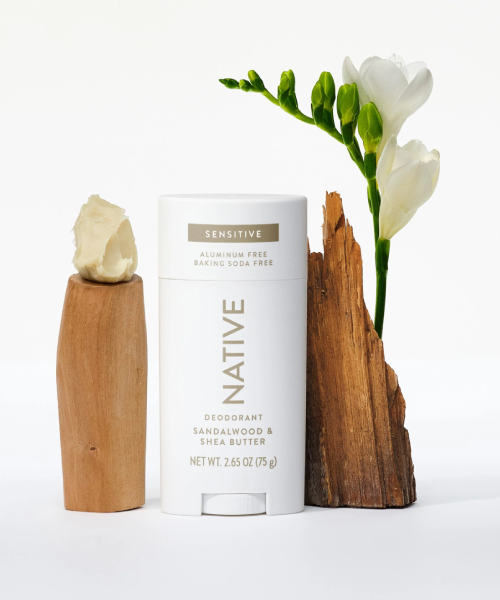
Available at: Native (native.com), Target, Amazon, CVS, Walgreens
Best for: Those trying natural deodorant for the first time who want an accessible, widely available product with a good track record.
The scent range is one of the most developed in the category — beyond the generic lavender or bergamot that most natural deodorant brands default to, Native offers coconut and vanilla, eucalyptus and mint, and unscented options that don’t compete with other fragrance worn during the day.
Native is the natural deodorant brand that appears most consistently in “it actually works” recommendations, and the reputation is backed by genuine formulation quality rather than effective marketing alone. The baking soda concentration is calibrated to provide effective pH management without the irritation that higher concentrations produce in sensitive skin — the specific balance that most drugstore natural deodorants don’t achieve.
The baking soda-free range is worth knowing about: for those whose skin is sensitive to baking soda (a common sensitivity that produces a rash in the underarm area), Native’s magnesium-based baking soda-free range provides effective odour control through a different mechanism without the irritation risk.
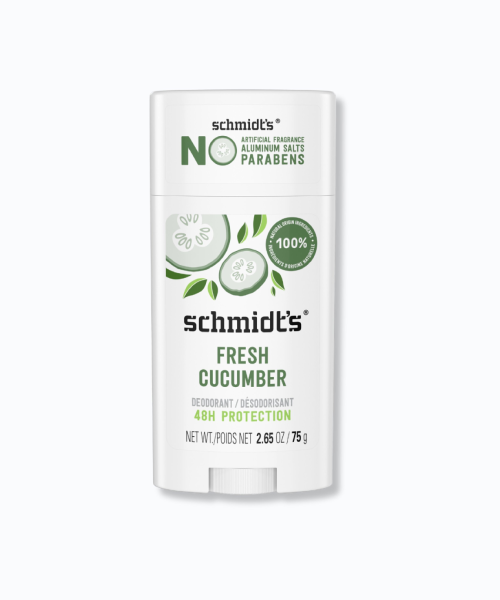
Available at: Schmidt’s (schmidtsdeodorant.com), Boots, Target, Amazon, most health food stores
Best for: Those who want a reliable, affordable natural deodorant in a conventional stick format from a brand with a long track record.
Schmidt’s has been in the natural deodorant category since 2010 and has refined their formulations over that time in ways that newer brands haven’t had the opportunity to. The Charcoal and Magnesium formula is the most consistently recommended of their range — the activated charcoal absorbs odour and moisture while the magnesium provides additional antimicrobial support.
The sensitive skin formula (marked with a flower symbol on the packaging) uses no baking soda — appropriate for those who’ve experienced irritation from baking soda-containing natural deodorants. The Rose and Vanilla sensitive formula is among the most pleasant in the natural deodorant category.
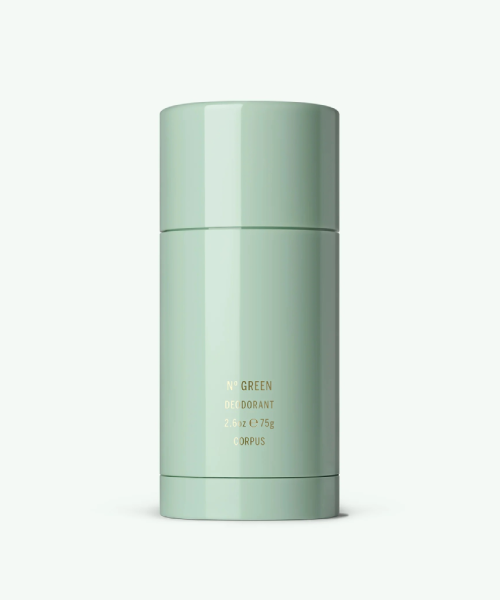
Available at: Corpus (corpusnaturals.com), Nordstrom, Free People
Best for: Those who want a premium natural deodorant with sophisticated fragrance and above-average performance.
Corpus approaches natural deodorant with the same sensibility that premium personal care brands apply to their category — elevated fragrance (the No. 02 scent is genuinely beautiful, closer to perfumery than conventional deodorant), quality packaging, and a formulation that performs consistently.
The specific Corpus advantage over mass-market alternatives: the fragrance is complex enough to serve as a light daily fragrance alongside its deodorant function, which simplifies the personal care routine for those who want to reduce the number of scented products they apply daily.
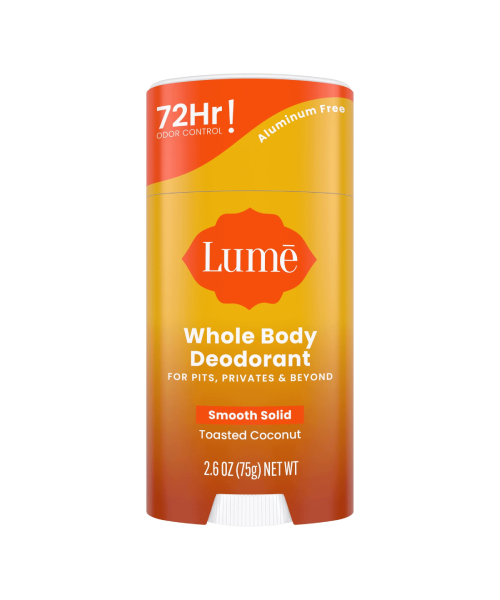
Available at: Lume (lumedeodorant.com), Target, Amazon
Best for: Those who need longer-lasting natural deodorant protection or those who’ve found conventional natural deodorants insufficient for their body chemistry.
Lume takes a clinically-developed approach to natural deodorant — the formulation was developed by an OB-GYN and the effectiveness claims are backed by clinical testing rather than simply ingredient theory. The 72-hour protection claim is the brand’s signature: the formulation is designed to maintain odour control across a longer period than most natural deodorants, which suits those with body chemistry that requires more robust odour management.
The cream-to-stick format requires a brief adjustment to the application method — a small amount applied and massaged into the underarm area rather than dragged across it — but the formulation consistency rewards the application approach.
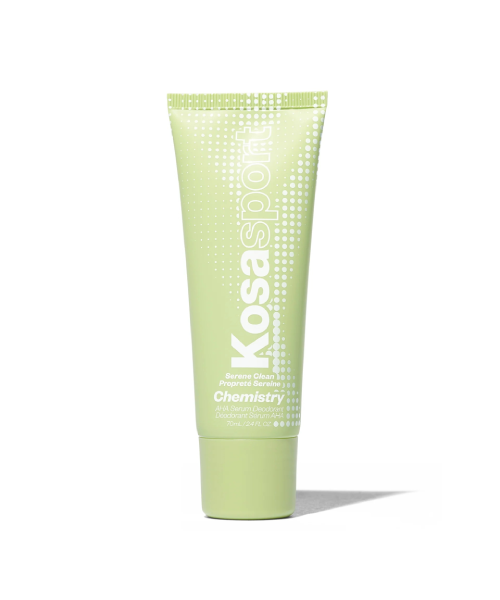
Available at: Kosas (kosas.com), Sephora, Ulta
Best for: Those who want natural deodorant that also addresses underarm skin quality, including discolouration and texture.
Kosas is the beauty brand that approaches deodorant as a skincare product rather than simply an odour-management product. The AHA (alpha hydroxy acid) in the serum formulation addresses the pigmentation and texture changes that years of conventional antiperspirant use can produce in the underarm area — the specific skin quality concern that most natural deodorant brands don’t address.
The serum format requires an adjustment to the application method (a liquid applied with the ball applicator rather than a conventional stick), but the results in terms of underarm skin quality alongside odour management are above what any stick natural deodorant delivers.
The Transition Tips That Actually Help
Start during a lower-activity period. The adjustment period is shorter and easier to manage when you’re not in the middle of the most physically demanding weeks of the year. Starting during a work-from-home period, a holiday, or a lower-intensity week reduces the social stakes of the transition period.
Armpit detox. A bentonite clay mask applied to the underarm area for ten to twenty minutes once or twice before switching can speed the microbiome rebalancing that produces the transition period odour. Mix bentonite clay powder with apple cider vinegar to a paste consistency, apply, leave for fifteen minutes, rinse. This is not essential but it helps.
Be patient through week two. The specific week two experience — when the transition period odour is most pronounced — is where most natural deodorant attempts end. If you get through week two, week three is almost always significantly better. The microbiome has started rebalancing and the natural deodorant can work as designed.
Conclusion
Natural deodorant works — the best formulations perform consistently for most body chemistry types, and the transition is manageable with the right product and the right expectations. Native for the most accessible starting point with the most developed scent range. Schmidt’s for the most established track record with sensitive skin options. Corpus for the elevated sensory experience with genuinely sophisticated fragrance. Lume for extended protection for those who need more robust odour management. And Kosas Chemistry for the skincare approach that addresses underarm skin quality alongside odour. Whatever you choose, get through the adjustment period — the switch is worth making once you’re on the other side of it.

