
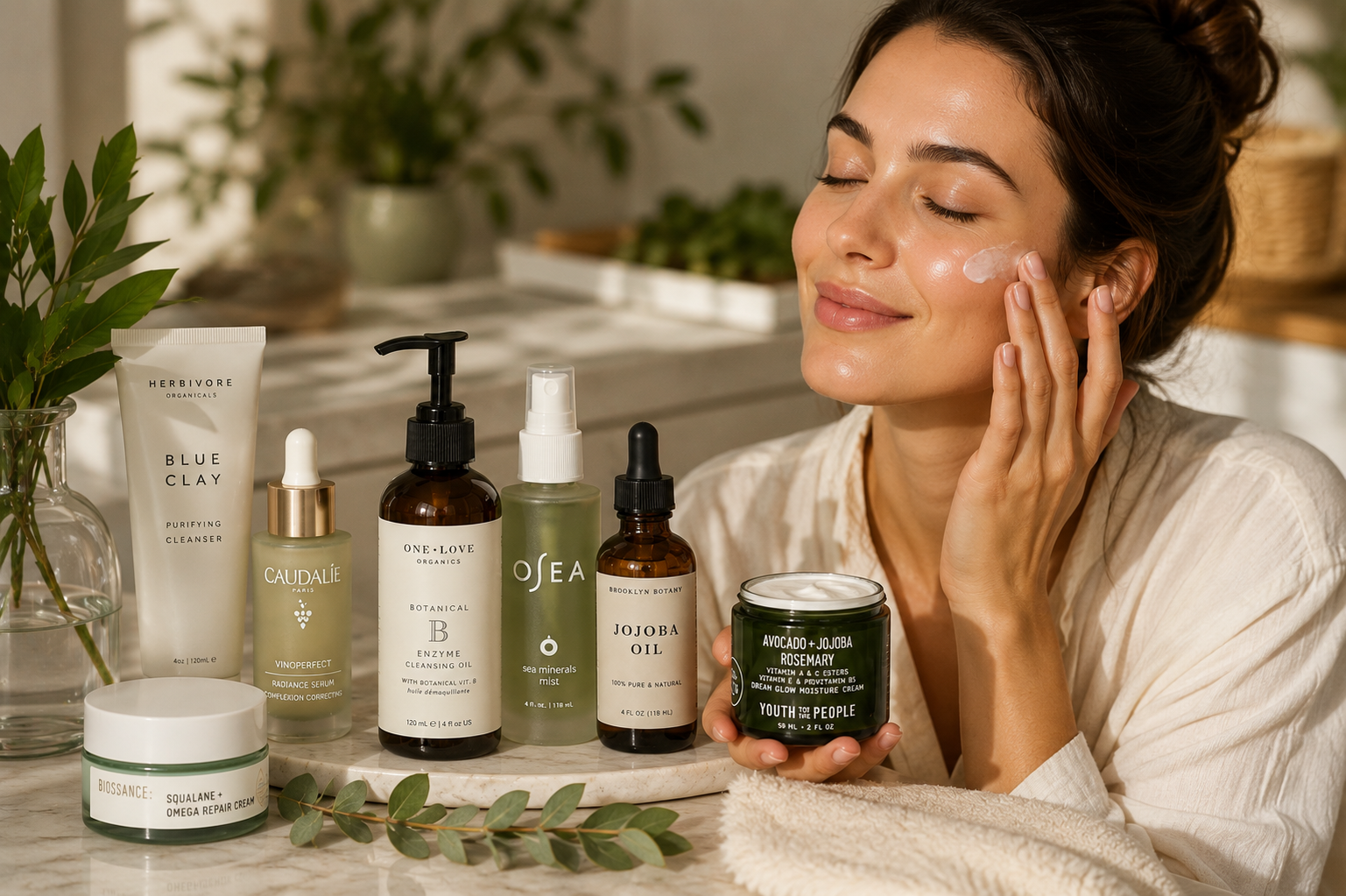
Clean beauty has a credibility problem. Not because the concept is wrong — there are genuinely good reasons to think carefully about what goes on your skin and where ingredients come from — but because the marketing has gotten so far ahead of the substance that it’s become difficult to tell the difference between a brand that has genuinely invested in clean, effective formulation and one that’s using the language of clean beauty while selling you a moisturizer that doesn’t do much. The word “natural” appears on enough products that it’s essentially meaningless at this point as a quality signal.
What I look for instead: brands where the ingredient transparency is genuine and detailed rather than vague, where the formulations are built around actives that have evidence behind them rather than just pleasant-sounding botanical names, and where the results are consistent with extended use rather than just on the first application. The brands below have all passed those tests in some meaningful way.
Products
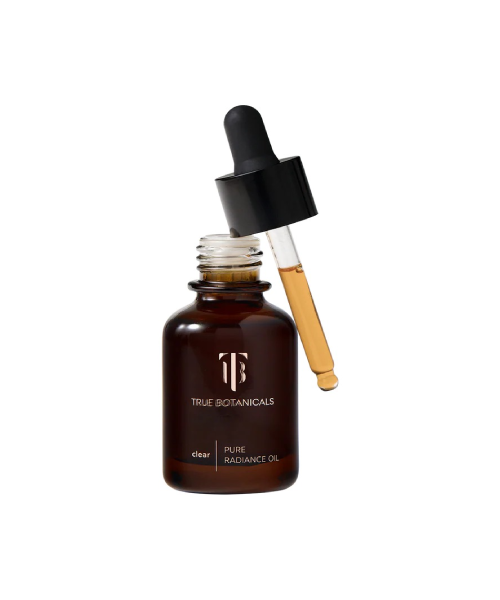
True Botanicals is one of the few clean beauty brands that has actually published clinical data on its products — the kind of independent verification that most of the clean beauty space doesn’t bother with because the investment in testing is significant and the regulatory environment doesn’t require it. The Pure Radiance Oil uses actives sourced from real botanical ingredients at concentrations that produce visible results rather than trace amounts added for labeling purposes. The ingredient transparency is among the best in the category.
- Price: $90 / £72
- Available at: True Botanicals (truebotanicals.com), Credo Beauty
- Best for: Those who want clean beauty with clinical evidence behind it rather than just clean ingredient lists — the brand where transparency is genuine
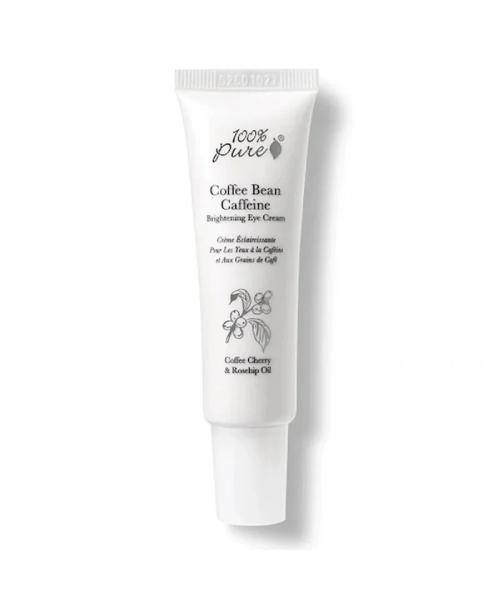
100% Pure is one of the original clean beauty brands and has remained genuinely committed to natural pigments and clean formulation rather than using the clean label as a marketing strategy while gradually reintroducing synthetic ingredients. The coffee bean eye cream uses caffeine — one of the few topical ingredients with actual evidence for reducing puffiness — along with green tea and vitamin K in a formula that’s genuinely food-grade in its ingredients.
- Price: $45
- Available at: 100% Pure (100percentpure.com), Credo Beauty, in stores
- Best for: Those who want genuinely clean formulation without synthetic preservatives or colorants, particularly in targeted treatments like eye care
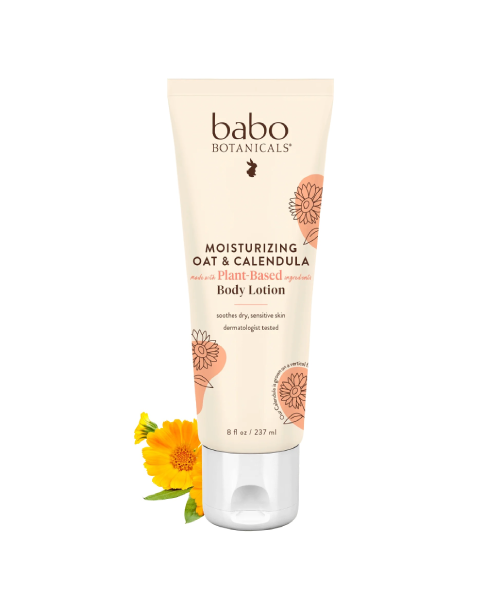
Babo Botanicals produces clean formulations specifically designed for sensitive skin and families — the brand’s ethos is that what’s safe enough for a baby’s skin is what they’ll put on adult skin too, which is either a useful standard or an overly cautious one depending on your view but produces genuinely gentle, effective products. The sensitive skin lotion is free of the most common sensitizers and uses colloidal oatmeal — one of the genuinely evidence-backed soothing ingredients — as a central active.
- Price: $19.99
- Available at: Babo Botanicals (babobotanicals.com), Target, Amazon, Buy Buy Baby
- Best for: Sensitive skin, families who want one product that works across ages, those who react to standard lotion formulations
Why the Clean Beauty Category Has a Credibility Gap
The problem with most clean beauty is not that the concept is wrong but that the regulatory environment doesn’t require the word “clean” or “natural” to mean anything specific. A brand can label a product “natural” while it contains predominantly synthetic ingredients. A brand can call a product “clean” without any third-party verification of what that means. The result is a market where genuinely committed clean brands compete on the shelf with brands using the aesthetic and language of clean beauty without the substance.
The ways to identify the genuine article: ingredient transparency that goes beyond the front-of-pack claim to provide full disclosure of what’s in the product and why. Third-party certification — EWG Verified, MADE SAFE, or similar programs that actually audit ingredients rather than taking a brand’s word for it. Clinical testing that produces real data rather than consumer perception surveys. And a track record of brand behavior across the range rather than just one hero product.
True Botanicals and Evereden are the brands on this list that most consistently meet these criteria. 100% Pure has a longer history and genuine commitment to food-grade ingredients. Babo Botanicals applies clean formulation most rigorously in the sensitive and baby skin categories where the stakes for getting it wrong are highest.
The Ingredients Actually Worth Seeking in Natural Skincare
The natural skincare space uses a lot of botanical ingredient names that sound impressive but aren’t always doing meaningful work at the concentrations used. The ingredients that have genuine evidence in natural formulations — meaning they work through the same mechanisms whether derived naturally or synthetically, and the natural sourcing doesn’t undermine their efficacy:
Vitamin C from rosehip oil or ascorbic acid derived from fruit sources — genuine antioxidant with brightening effects. Caffeine from green tea or coffee — vasoconstriction that temporarily reduces puffiness, genuine evidence for eye area use. Colloidal oatmeal — significantly reduces inflammatory response in skin, FDA-recognized skin protectant. Bakuchiol — a plant-derived compound with some evidence for similar effects to retinol without the irritation, meaningful for those who can’t tolerate retinoids. Niacinamide — effective for multiple skin concerns and naturally sourced versions perform identically to synthetic.
What to be more skeptical of: proprietary blends with no disclosure of concentrations, exotic botanical extracts listed in impressively small amounts that couldn’t produce meaningful effects at those concentrations, and any anti-aging claim from a clean brand that doesn’t specify the mechanism and has no clinical evidence.
Building a Clean Skincare Routine
The same four-step structure from the beginner skincare post applies to clean beauty — cleanser, exfoliant, moisturizer, SPF. The challenge in clean beauty is finding products that do each of these jobs effectively using formulations that meet the clean standard you’re applying.
The most common compromise in clean skincare routines is in the SPF category, where mineral sunscreens — the only truly clean option, since chemical UV filters have raised some concerns about reef damage and hormone disruption — are notoriously harder to formulate into a product that doesn’t leave a white cast or pill under makeup. The formulation technology for mineral SPF has improved significantly over the past few years, but it’s still an area where the clean option requires more compromise than in cleansing or moisturizing.
Conclusion
Clean beauty is worth pursuing when the brand has genuine transparency, third-party verification, and clinical evidence behind its claims — and worth being skeptical of when it’s using the aesthetic of clean while competing on the same superficial claims as conventional beauty. True Botanicals publishes clinical data, which is rare. 100% Pure has maintained genuine commitment to food-grade ingredients since its founding. Babo Botanicals applies clean standards most rigorously where they matter most. And Evereden brings dermatologist-developed formulations with EWG verification to a clean beauty framework. These are the brands worth spending on in the category.

