

Organization and productivity content has a peculiar tendency toward complexity — the elaborate system that requires significant time to set up and maintain, the planner that has a specific layout for each type of session, the color-coding structure that’s logical and requires daily attention to sustain. These systems produce a specific type of person: one who spends a lot of time organizing rather than doing the things the organization is supposed to make possible.
The systems worth using are simpler. They’re built around what actually needs to be tracked rather than what could theoretically be tracked. They’re easy enough to maintain that maintenance doesn’t become the primary activity. And they’re flexible enough that a day that doesn’t go according to plan doesn’t break the system.
Products
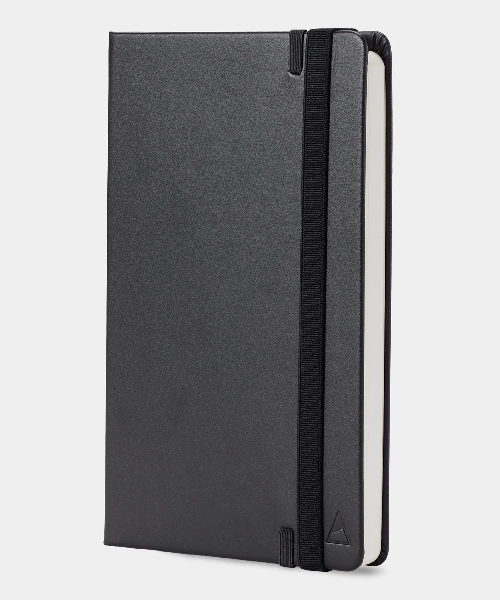
Nomatic’s planner combines the daily planning and journaling functions in a single book — the morning planning session, the evening reflection, and the task management all in one place rather than requiring multiple tools for the different functions that a daily organization system involves. The layout is specific to the Nomatic philosophy of day design — intentional start, clear priorities, reflection on outcomes — in a format that takes approximately ten minutes per day to maintain, which is the time investment that’s sustainable rather than the thirty-minute daily ritual that most elaborate planner systems require.
- Available at: Nomatic (nomatic.com)
- Best for: Those who want a combined planning and reflection system in a single, well-designed book — the daily planner that serves both the morning planning and the evening reflection function
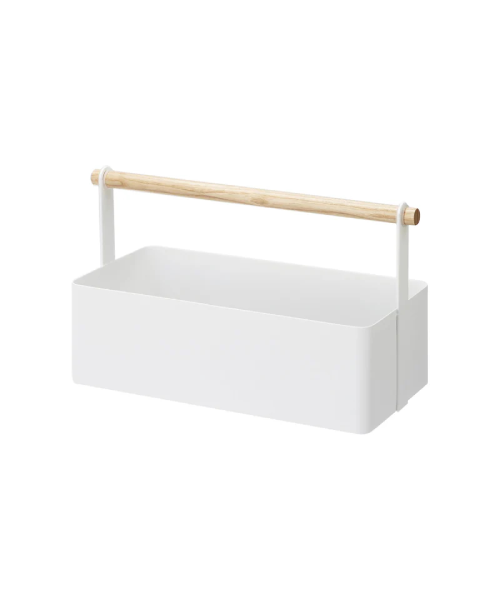
Yamazaki’s desk organization system — the cable management boxes, the monitor risers with storage, the individual tool organizers — addresses the physical workspace organization that makes cognitive organization easier. A cluttered desk produces specific cognitive interference in a way that’s been studied rather than just perceived — the visual noise of unorganized physical space competes with the cognitive focus that productive work requires. The Yamazaki system organizes the physical environment in a way that reads as intentional rather than just functional.
- Available at: Yamazaki Home (yamazakihome.com), Target, Amazon
- Best for: Those whose workspace is visually noisy in a way that competes with focus — the desk organization that reduces physical clutter as a prerequisite for cognitive clarity
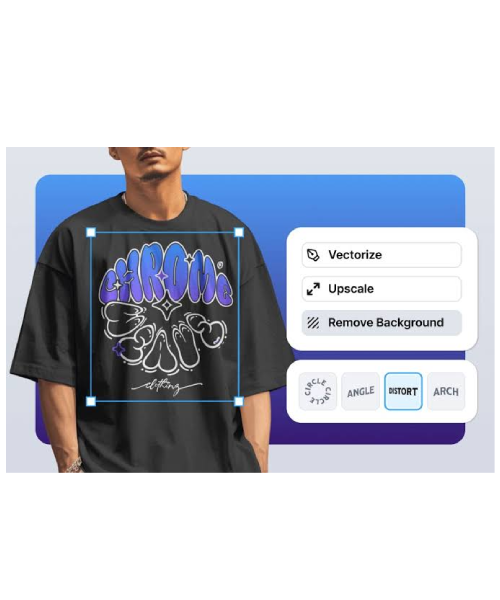
Kittl’s design platform supports the creation of custom planning templates — the weekly review format, the project planning structure, the habit tracker layout that’s designed around the specific goals and habits the individual actually wants to track rather than the generic formats that most planners provide. For those who’ve found that generic planner layouts don’t match how they actually think about their time and goals, Kittl provides the tool to design the structure that does.
- Available at: Kittl (kittl.com)
- Best for: Those who want to design their own planning and tracking templates rather than fitting their thinking into someone else’s predetermined structure
The Organization System That Actually Works
Most organization system failures come from the same source: the system was designed for an idealized version of a day rather than for actual days. The planner that assumes every day begins at the same time and has the same structure of free time. The organization system that assumes tasks will always be completed before new ones are added. The habit tracker that assumes consistency and doesn’t account for the week that goes completely sideways.
The system that works is the one designed explicitly for the actual pattern of your days — including the irregular ones, the days that go completely differently from how they were planned, and the periods when the system can’t be maintained. The question to ask of any organization system: what does this look like when a day doesn’t go according to plan? If the answer is that the system breaks, it’s going to break regularly. If the answer is that there’s a minimum viable version for chaotic days, the system is sustainable.
The Physical Space and Cognitive Performance
The connection between physical organization and cognitive performance is worth taking seriously rather than dismissing as aesthetic preference. Cognitive load theory suggests that working memory has limited capacity and that environmental distractions consume some of that capacity, leaving less for the actual task. A visually cluttered workspace doesn’t just feel unpleasant — it actively reduces the cognitive capacity available for the work.
The physical workspace organization provided by Yamazaki’s desk tools is not a luxury aesthetic decision. It’s a performance decision that produces better work outcomes by reducing the cognitive interference of visual clutter. The specific items worth organizing first: cables (the most visually chaotic element of most modern desks), the surface area immediately in front of the work screen (the most visually prominent location), and the items used most frequently (positioned for immediate access rather than requiring search).
The Healthcare Professional's Organization Challenge
Uniform Advantage occupies a specific niche that deserves more attention in the productivity conversation than it usually gets. Healthcare professionals face organizational demands that are among the most complex of any profession — the multiple patient contexts that need to be simultaneously maintained, the equipment that needs to be immediately accessible in time-sensitive situations, the physical demands of a working day that doesn’t stop.
The clothing and organization tools designed specifically for this context — the pocket placement that puts specific equipment in specific locations, the antimicrobial fabric, the durability for daily industrial washing — serve a specific population whose organization needs are specific and not well served by general professional organization content.
Conclusion
Organization and productivity tools worth buying are those that serve the actual pattern of your days rather than an idealized version of them. Nomatic’s planner combines morning planning and evening reflection in a single, maintainable ten-minute daily system. Yamazaki’s desk organization reduces the physical clutter that actively competes with cognitive focus. Kittl’s templates allow designing planning structures around how you actually think rather than fitting into predetermined formats. And Uniform Advantage addresses the specific organization requirements of healthcare professionals with tools designed for their actual work context. The system that works is simple enough to maintain consistently, flexible enough to survive irregular days, and designed around what you actually need to track rather than everything that could theoretically be tracked.

