
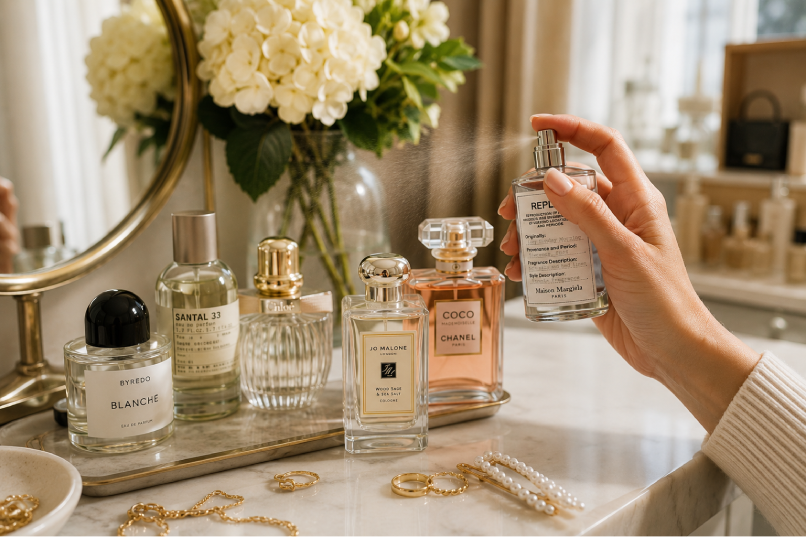
Finding a perfume that becomes genuinely yours — that you reach for automatically, that people associate with you, that smells right on your skin across the full drydown — is one of the more personal and occasionally frustrating beauty experiences available. The challenge is that fragrance performs completely differently on paper blotters in a shop, on skin immediately after application, and on skin two or four hours later after the top notes have faded and the base has emerged. A decision made in five minutes in a department store, in a room full of competing scents, between blotter strips that smell nothing like skin — that decision produces most people’s perfume collections, which is why most people’s perfume collections contain several bottles they don’t wear.
What helps: understanding the structure of how a perfume develops so you know what you’re evaluating at which stage, sampling before committing to a full bottle, and thinking about the specific contexts you want to wear fragrance in — because the scent that’s perfect for a summer morning is not always the scent that’s perfect for an autumn evening.
Products
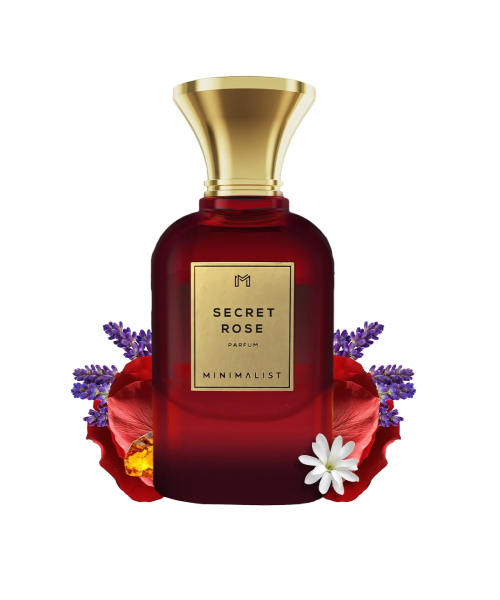
Nomatic, primarily known for their functional travel and everyday bags, has entered fragrance with a collection that applies the same minimalist philosophy to scent. The fragrances are clean, accessible, and designed to work as daily wear rather than as statement scents — which makes them the practical choice for those who want fragrance that disappears into the day rather than commenting on it.
- Price: $65–$85
- Available at: Nomatic (minimalist.co)
- Best for: Minimalist, everyday fragrance that works as background presence rather than statement — particularly suited to those new to fragrance or who prefer something unobtrusive
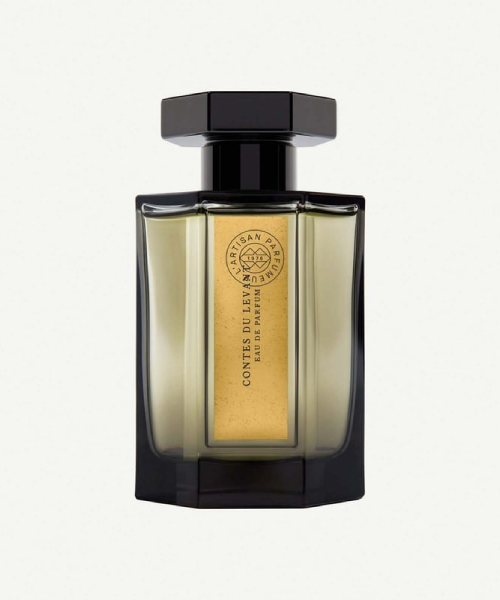
Lineage Provisions produces small-batch, artisan fragrances that prioritize ingredient quality over marketing presence. The range is built around genuine quality ingredients rather than the synthetic accords that most commercial fragrances use to approximate natural materials, and the resulting scents have a complexity and naturalness that distinguishes them from their commercial counterparts. The brand’s transparency about ingredients and sourcing is among the best in the indie fragrance category.
- Price: $85–$120 depending on size
- Available at: Lineage Provisions (artisanparfumeur.com)
- Best for: Those who want indie fragrance with genuine ingredient quality and the complexity that comes from natural materials used at meaningful concentrations
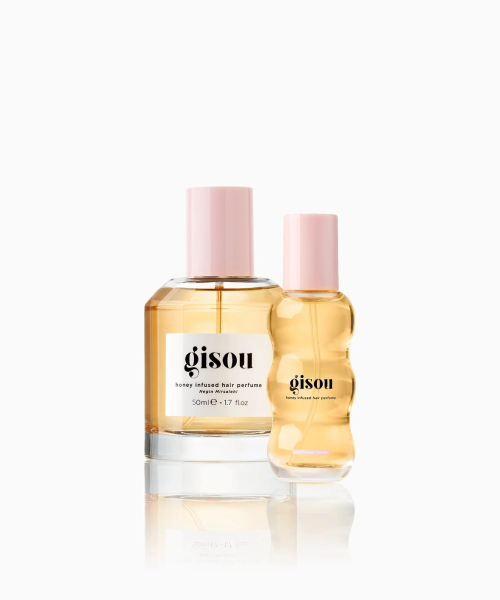
Gisou’s fragrance applies the honey-first ingredient story to perfume, with the honey accord as a central note rather than an afterthought. The fragrance is warm, slightly floral, and genuinely distinctive in the way that honey-forward scents are — recognizable without being simple. The longevity is good for a clean fragrance, and the bottle design is as beautiful as the rest of the Gisou range.
- Price: $148
- Available at: Gisou (gisou.com), Sephora, Space NK
- Best for: Those who love warm, honey-forward fragrances with a genuine botanical story behind the ingredient sourcing
How Fragrance Actually Works on Skin
The top-middle-base note structure that every fragrance description uses is not just marketing language — it reflects the actual chemistry of how a fragrance develops on skin over time. Understanding this changes how you evaluate fragrance and prevents the specific mistake of choosing based on the immediate first impression and being disappointed by what you actually smell for the rest of the day.
Top notes are the first impression — the bright, volatile molecules that you smell immediately after applying and that fade within 15–30 minutes. Citrus notes, light herbs, fresh greens, and light florals are common top notes. They’re the introduction rather than the fragrance itself. Evaluating a perfume based on top notes alone is like evaluating a meal based on the smell before anything starts cooking.
Middle notes (sometimes called heart notes) emerge as the top notes fade and represent the main character of the fragrance. Florals, spices, fuller fruit notes, and deeper herbs are common middle notes. This is what you smell primarily for the first one to four hours of wear.
Base notes are the foundation that remains after the middle notes fade and forms the lingering impression that people associate with a fragrance. Woods, resins, musks, vanilla, amber, and similar warm, heavy materials are typical base notes. These are what the fragrance smells like at the end of the day and what lingers on clothing after wearing.
The key evaluation point: let a fragrance develop on your skin for at least two to three hours before deciding whether you love it or not. The top note impression is not representative of what you’ll actually be wearing.
Concentration and Longevity
The concentration of fragrance in the carrier — whether alcohol or oil — determines primarily how long it lasts on skin and how strongly it projects.
Eau de Cologne (2–4% fragrance) lasts 2–3 hours. Eau de Toilette (5–15%) lasts 4–6 hours. Eau de Parfum (15–20%) lasts 6–8 hours. Parfum or Extrait (20–30%+) lasts 8+ hours. These are approximate — the specific fragrance materials used affect longevity independently of concentration, with some materials (musks, heavy woods) lasting much longer than others (citrus, light florals) regardless of concentration.
Oil-based fragrances like those from Curious Elixirs develop differently — the oil base doesn’t evaporate as quickly as alcohol, which means the fragrance stays closer to the skin and develops more slowly, often with better longevity in the base notes than comparable alcohol-based fragrances.
Building a Fragrance Wardrobe
Most people who wear fragrance seriously end up with a small collection of different scents for different contexts rather than one signature fragrance for every situation. This is a reasonable approach that reflects how genuinely different the right fragrance is for a summer morning walk versus an autumn evening dinner versus a professional meeting.
The framework that makes sense for most people: one lighter, fresher scent for daytime and warm weather — something citrus, aquatic, or lightly floral. One warmer, deeper scent for evening or cold weather — something woody, resinous, amber, or spicy. And one that’s genuinely yours — the one that smells most like yourself when you can’t decide what to wear.
Conclusion
Finding fragrance worth wearing requires giving it more time than the department store experience allows and testing on skin rather than on blotter. Curious Elixirs produces clean botanical fragrances in an oil base for those who want something intimate and natural. Nomatic’s minimalist collection makes everyday fragrance straightforward and unobtrusive. Lineage Provisions brings indie artisan quality to small-batch fragrance with genuine ingredient transparency. And Gisou’s honey-infused perfume extends their ingredient story beautifully into a warm, distinctive scent. Between these four there’s a range from intimate and botanical to warm and statement — what matters most is testing on your skin and giving each one the two-to-three hours it needs to show you what it actually is.

