
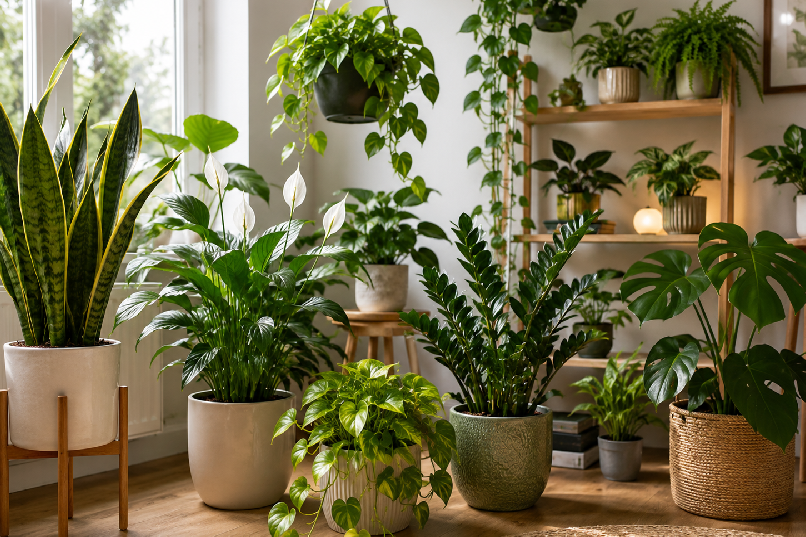
Plants change how a room feels in a way that’s disproportionate to the effort of keeping them. The specific quality they add — living color, texture, scale variation, the sense that the space is inhabited and cared for — isn’t achievable through decoration alone. A room with plants in it feels different from the same room without them in a way that’s hard to articulate precisely but immediate to experience.
The challenge for most people is the survival question. The plant that’s beautiful in the shop and dead within six weeks at home. The succulent that should be impossible to kill and somehow is. The fiddle leaf fig that thrives on Instagram and refuses to thrive in anyone’s actual living room. The experience of plant death enough times produces either the belief that you can’t keep plants alive or the more accurate conclusion that the specific plants tried weren’t suited to the specific conditions available.
Products
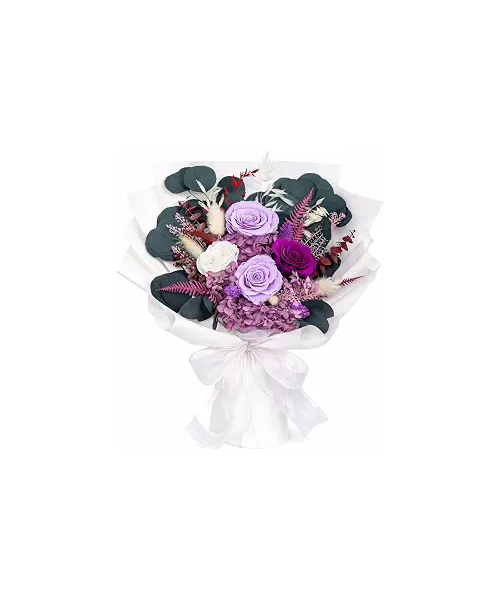
Hello Nancy produces preserved flower arrangements — real flowers treated to maintain their color and texture for months to years without water or care. For those who love the look of fresh flowers but find the weekly replacement cycle either expensive or too much maintenance, preserved arrangements provide the visual presence of fresh florals in a permanent format. The quality of preservation in the Hello Nancy range is above most preserved flower alternatives in terms of color retention and natural appearance.
- Available at: Hello Nancy (hellonancy.com)
- Best for: Those who want the visual impact of flowers without the maintenance cycle — particularly useful in rooms that are frequently seen but not frequently maintained
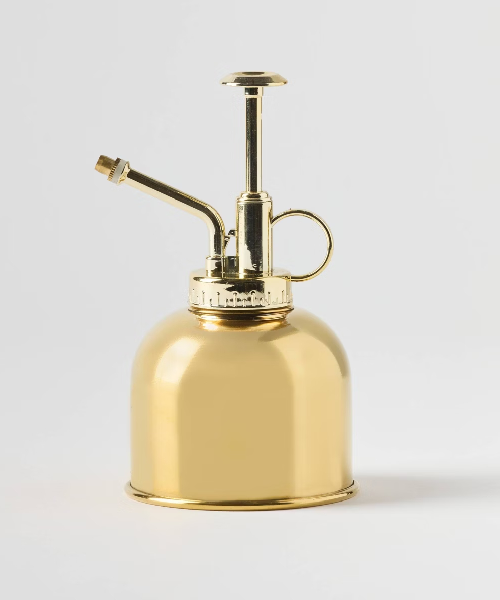
Super Smalls produces thoughtfully designed tool sets in a playful format, and their plant care kit makes the tools for plant maintenance genuinely enjoyable to use and display. The kit includes a mister, a small watering can, a pruning tool, and a brush for cleaning leaves in a set that’s attractive enough to leave on a shelf rather than hiding in a drawer. Making plant care tools appealing makes the care habit easier to maintain.
- Available at: Super Smalls (supersmalls.com), Target
- Best for: Those who want to build a plant care habit with tools that make the maintenance enjoyable rather than purely practical
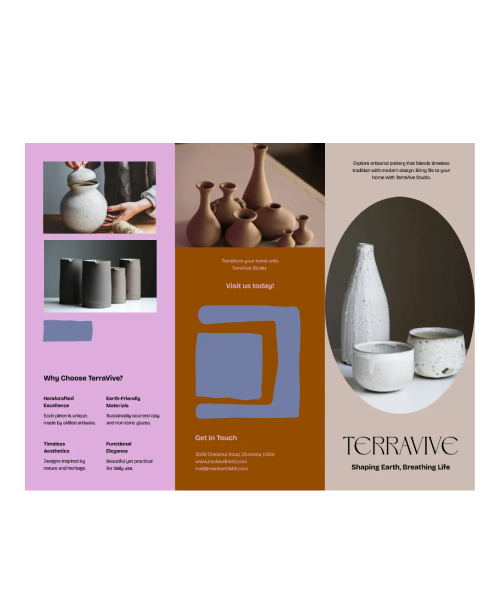
Kittl’s design platform allows creating custom printed labels — the specific application for plants being the custom stake labels that identify plant species, care requirements, and acquisition dates. For those building a plant collection who want to maintain records of care schedules and plant information, custom printed labels provide the organization that makes caring for multiple plants across different needs more manageable.
- Available at: Kittl (kittl.com)
- Best for: Organizing plant care information in a designed, personal format — particularly useful for those with larger plant collections or those who are learning plant care
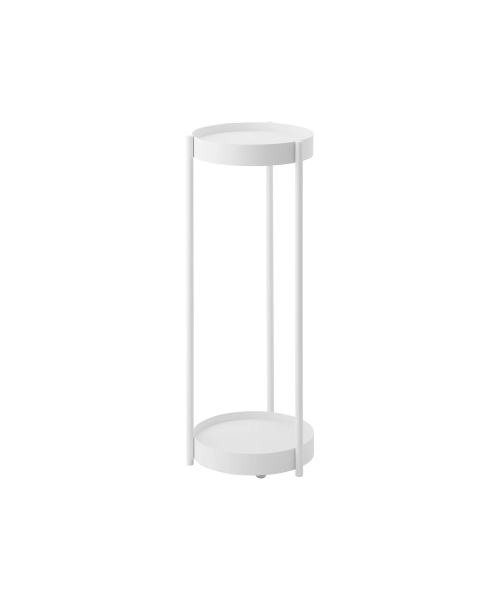
Yamazaki’s minimalist plant stands apply their steel-and-wood aesthetic to plant display in a format that lifts plants off surfaces and window sills to improve air circulation and create display-quality presentation. The multi-tiered versions allow grouping plants in a coherent display arrangement that reads as intentional collection rather than miscellaneous pots in different locations.
- Available at: Yamazaki Home (yamazakihome.com), Target, Amazon
- Best for: Displaying plants in a organized, designed arrangement that reads as intentional rather than accumulated
The Plants Worth Growing at Home
Rather than recommending specific brands for plants — plant sourcing is genuinely local and the same species from a well-maintained local nursery will always outperform the same species shipped nationally — the most useful guidance is about which species are genuinely suited to typical home conditions and which ones aren’t.
Pothos (Epipremnum aureum) is the plant that’s actually impossible to kill in any indoor condition with any level of care attention. It tolerates low light, infrequent watering, irregular fertilizing, and the range of temperature swings that home environments produce through seasons. It grows quickly enough that neglect reads as vigorous growth rather than decline, and it trails beautifully from shelves and hanging planters. For someone who has killed every plant they’ve owned, pothos is the starting point.
Snake plant (Sansevieria, now reclassified as Dracaena trifasciata) is the other genuinely neglect-tolerant houseplant — architectural in form, available in multiple sizes from desk-scale to floor-scale, tolerant of low light and infrequent watering. It’s also one of the plants with some evidence for indoor air purification, though the effectiveness in typical home ventilation conditions is more modest than the commonly cited NASA Clean Air Study suggests.
Monstera deliciosa is the plant that actually thrives in typical home conditions when given appropriate light and watering — it needs indirect bright light (not direct sun, not very low light), consistent but not excessive watering, and reasonable humidity. It grows dramatically once established, produces the large fenestrated leaves that make it the most photographed houseplant currently, and is forgiving of occasional neglect once established.
Peace lily (Spathiphyllum) is the flowering indoor plant that performs best in low light — most flowering houseplants require more light than typical home interiors provide, but peace lily is a genuine exception. It also has the specific signal behavior of wilting visibly when it needs water and recovering quickly when watered, which makes learning its watering schedule unusually straightforward.
Why Plants Die at Home
The most common plant deaths at home are preventable and usually the result of one of three things: the wrong plant for the available light, the wrong watering schedule for the specific plant’s needs, or a pot without drainage holes that allows roots to sit in water.
The light assessment is the most important and most commonly skipped step. Before buying any plant, spend a day observing the light in the room where the plant will live — how many hours of direct sun does it receive, and how bright is the indirect light? Most home interiors, especially rooms without south-facing windows, have less light than the “bright indirect light” instruction on most plant tags assumes. Choosing plants that are explicitly suited to lower light conditions rather than plants described as needing bright indirect light is the adjustment that improves survival rates dramatically in typical home conditions.
Overwatering is the most common cause of plant death across all houseplant types. The instinct to water frequently is counterproductive for most plants — most houseplants in home conditions need far less water than people provide, and the root rot that overwatering causes is usually fatal. The simple habit of checking the soil a few inches down before watering — the soil should be close to dry before the next watering for most plants — prevents the vast majority of overwatering deaths.
Conclusion
Plants worth growing at home are plants matched to the actual conditions available — the actual light level, the actual watering consistency the household can maintain, the actual humidity of the spaces they’ll occupy. Hello Nancy’s preserved arrangements provide the visual impact of flowers without the maintenance cycle. Super Smalls’ plant care kit makes the maintenance habit itself more enjoyable. Kittl’s custom labels bring organization to plant care for those building a collection. And Yamazaki’s plant stands present plants in a designed format that reads as intentional display. The plants themselves — pothos, snake plant, monstera, peace lily — are the species that genuinely thrive in typical home conditions, not just the ones that look good in a shop.

