
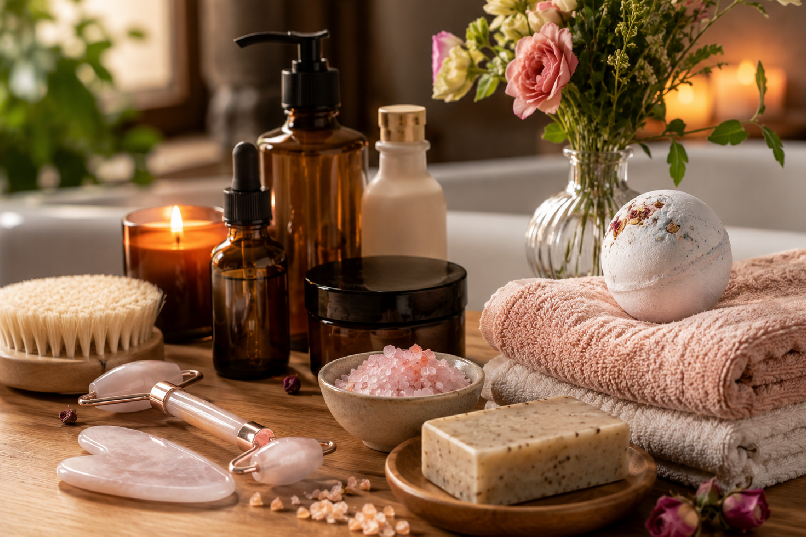
Self-care is the lifestyle category with the widest gap between its marketing language and its genuine practice. The bath bomb collection and the face mask subscription that provide the aesthetics of self-care alongside unchanged underlying habits and attention patterns. The scented candle that signals the self-care intention without the twenty minutes of genuine attention that self-care actually requires.
Genuine self-care is not primarily a product category — it’s the deliberate allocation of time and attention to your own needs. Products can create the conditions and the ritual that make that allocation more likely and more enjoyable. Here is what’s worth buying specifically.
What Self-Care Products Are Actually For
Self-care products serve the ritual function — the specific object or practice that signals to the mind that this time is different from the rest of the day. The specific bath preparation that marks the transition from the working day. The morning skincare routine that provides ten minutes of attention before the day’s demands begin. The end-of-day journaling that processes what happened rather than carrying it unprocessed into sleep.
The ritual is the product’s function. The product is the ritual’s prop. Buying better props doesn’t create the ritual — the intentional time allocation does. But better props make the ritual more enjoyable, more sensory, and more likely to be maintained consistently.
The Best Self-Care Products Worth Buying
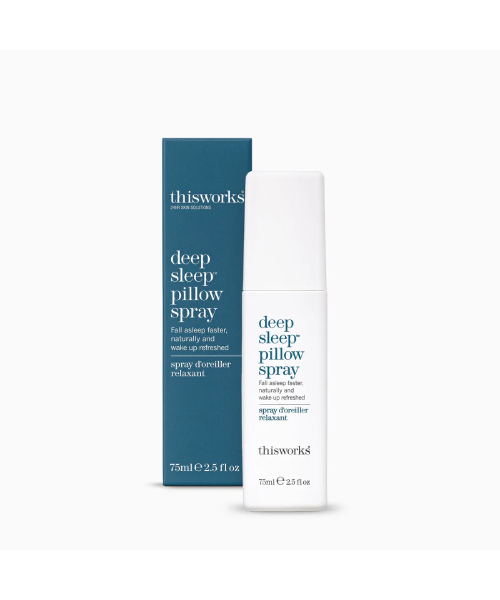
Available at: This Works (thisworks.com), Boots, Space NK, Amazon
Best for: Those who want a specific sensory trigger for the transition from wakefulness to sleep preparation.
The This Works Deep Sleep Pillow Spray is the specific product that earns its cult status through consistent behavioural reports rather than aspirational positioning. The lavender, vetivert, and chamomile combination provides the aromatherapy that has genuine evidence for relaxation response triggering, and the specific ritual of spraying the pillow before sleep creates a sensory signal that the brain associates with sleep over time — a Pavlovian conditioning effect that supports the transition to sleep with consistent use.
At £19.50, this is the sleep product with the most accessible price relative to its consistent positive response from users. The scent becomes associated with sleep over weeks of use, which is the specific mechanism that produces the reported “I can’t sleep without it” response from consistent users.
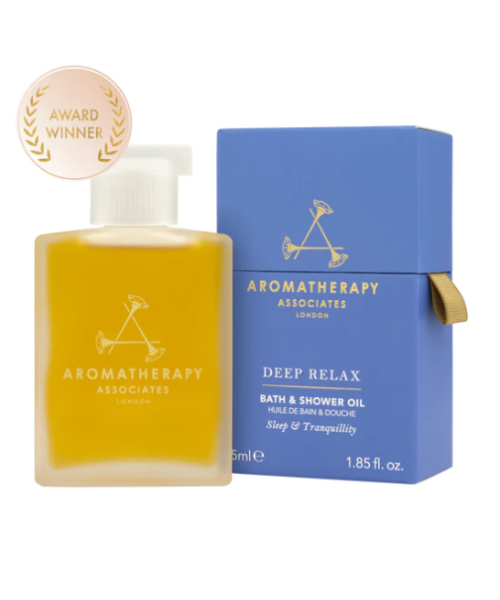
Available at: Aromatherapy Associates (aromatherapyassociates.com), Space NK, John Lewis
Best for: Those who use bathing as a genuine self-care ritual and want an aromatherapy product with a track record.
Aromatherapy Associates produces the bath oil most consistently recommended by those who take bathing seriously as a self-care practice. The Deep Relax blend — vetivert, sandalwood, and chamomile — is the specific formulation that produces the most consistent positive response for pre-sleep bathing. The oil disperses in bathwater, leaves no residue on the skin that requires rinsing, and the warmth of the bath accelerates the skin’s absorption of the aromatherapy compounds.
The 55ml travel size at £28–32 is the recommendation for those who want to try the product before committing to the full price.
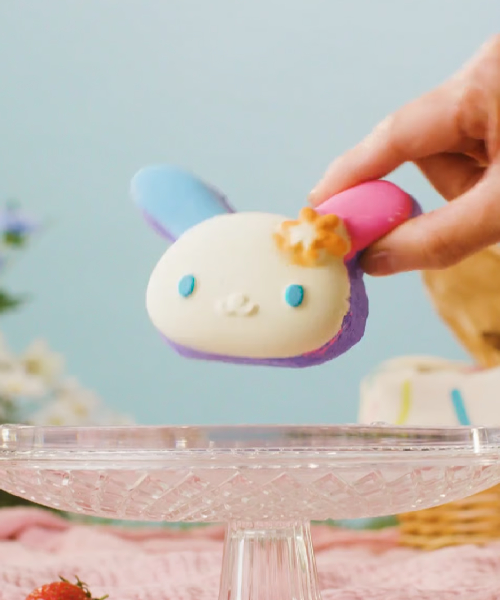
Available at: Lush (lush.com), Lush stores
Best for: Those who want the occasional bath indulgence with a sensory experience above standard bathing.
Lush bath bombs are the self-care product that most clearly delivers the sensory experience their concept suggests — the specific fizzing, colouring, and scenting of the bath water that turns bathing from functional to experiential. The wide range of fragrances and formulations allows finding the specific one that suits personal scent preferences, and the price per bath (£4–10) makes the occasional indulgence financially accessible without subscription commitment.
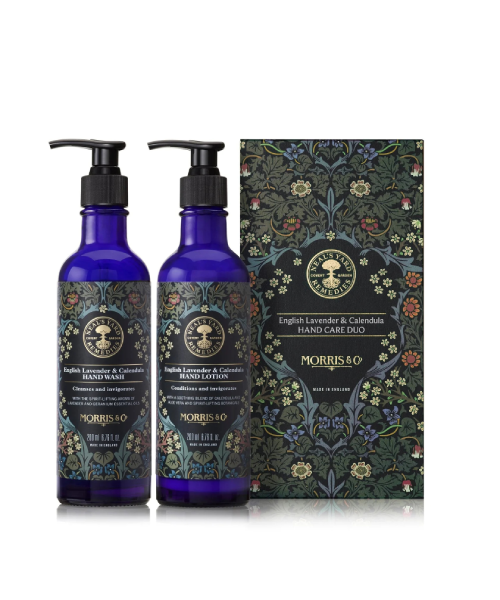
Available at: Neal’s Yard Remedies (nealsyardremedies.com), John Lewis, in stores
Best for: Those who want organic, beautifully scented body care that makes moisturising a pleasure rather than maintenance.
Neal’s Yard Remedies produces organic body butters in the specific fragrance families that make body moisturising feel luxurious — the Wild Rose body butter, the Frankincense and Myrrh, the Organic Shea. The organic certification is genuine (COSMOS certified) and the texture is above most body butters in terms of how it absorbs and the residual skin condition it leaves.
Body moisturising as a post-bath evening ritual — applied deliberately rather than quickly — is the self-care practice that takes three minutes and produces both the functional benefit (moisturised skin) and the ritual benefit (three minutes of deliberate sensory attention to yourself).
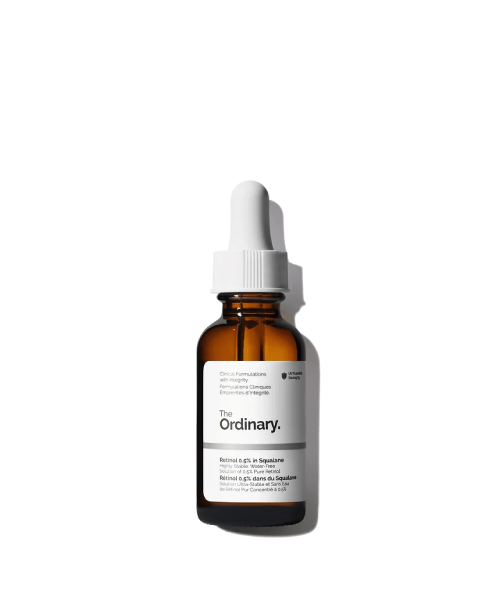
Available at: The Ordinary (theordinary.com), Boots, ASOS
Best for: Those who want to establish a consistent evening skincare routine with an active ingredient at an accessible price.
The consistency of the evening skincare routine is more important than the products within it — a simple routine done every evening for three months produces more measurable skin improvement than an elaborate routine done sporadically. The Ordinary’s retinol provides the evidence-backed active ingredient at a price that makes the routine economically simple, and the specific act of the evening skincare routine — the cleansing, the application, the moisturising — is a self-care ritual that provides both skin benefit and the deliberate transition from the day’s activity to the evening’s rest.
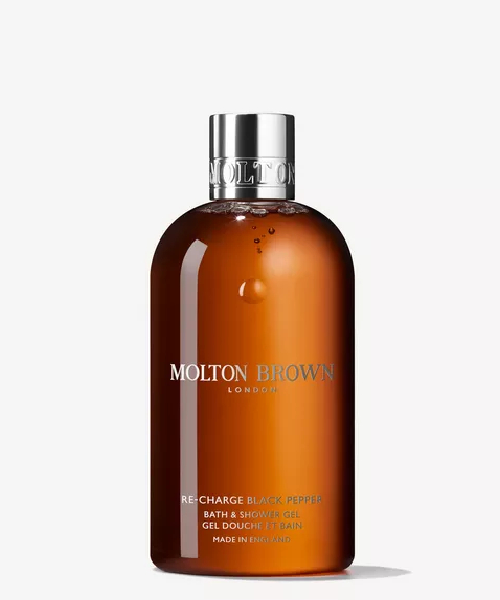
Available at: Molton Brown (moltonbrown.co.uk), John Lewis, department stores
Best for: Those who want their daily shower to feel like a spa rather than a functional process.
Molton Brown’s body washes produce the specific hotel bathroom experience — the fragrance quality, the lather density, and the skin condition after use — that makes the daily shower feel like an intentional experience rather than a functional one. The specific Molton Brown advantage over cheaper alternatives is the fragrance complexity — these smell like actual perfumery rather than synthetic shower gel, and the fragrance lingers on the skin rather than dissipating immediately.
The Dusking Plum or Re-Charge Black Pepper are the fragrance recommendations for those buying without the ability to smell first — distinctive without being polarising, appropriate across genders, and complex enough to feel genuinely luxurious.
The Non-Product Self-Care That Matters Most
The bath and the skincare routine and the scented candle support the self-care that actually matters, which is the time and attention allocated without the products. Twenty minutes of reading without checking the phone. A walk taken specifically for enjoyment rather than efficiency. A conversation had without the parallel attention of a screen. A meal eaten at the table rather than in front of something else.
These are the self-care practices with the strongest wellbeing evidence and the lowest commercial packaging — which is why the self-care industry barely mentions them while selling the products that make the same claim.
Conclusion
Self-care products produce genuine value when they support a deliberate, consistent ritual rather than when they substitute for the time and attention that the ritual actually requires. This Works pillow spray for the pre-sleep ritual that becomes a sleep trigger. Aromatherapy Associates Deep Relax for the evening bath that becomes the day-to-evening transition. Lush bath bombs for the occasional full sensory indulgence. Neal’s Yard body butter for body moisturising that feels like attention rather than maintenance. The Ordinary retinol for the consistent evening skincare ritual. And Molton Brown body wash for the daily shower elevation that turns a functional process into an intentional one. Whatever you buy — allocate the time for the ritual the product is designed to support. The product without the time is decoration. The time without the product is self-care. The product with the time is the self-care ritual worth building.

