
Starting a skincare routine as an adult who hasn’t had one is one of those things that looks simpler than it turns out to be. The marketing makes it seem like you need ten steps and thirty products. The internet makes it seem like every ingredient interacts with every other ingredient in ways you need a chemistry degree to navigate. And the product options are genuinely overwhelming — there are more serums claiming to change your skin than any individual could test in a lifetime, and most of them are making promises they can’t keep.
The good news is that a genuinely effective skincare routine is not a complicated thing. Four steps, done consistently, with products chosen for your skin type rather than for what’s performing well in skincare content at this particular moment. That’s it. Everything else is optional and should be added slowly, one product at a time, with enough time between additions to understand what’s actually doing what. The four steps work. Consistency with the four steps produces more visible results than complicated routines with expensive products used sporadically.
Products
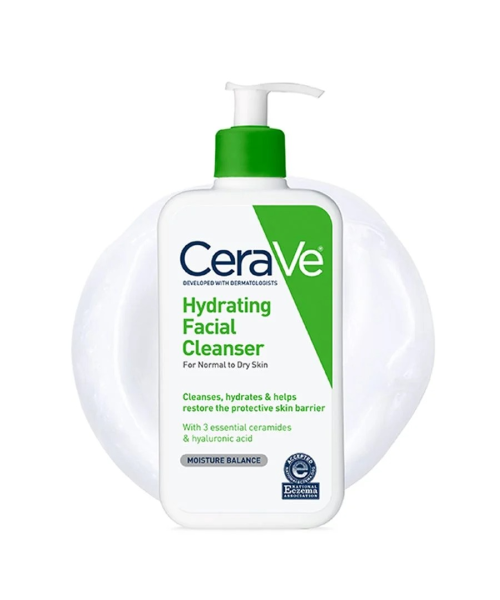
The most consistently recommended cleanser by dermatologists for most skin types because it does its job — removes the day’s buildup of sunscreen, makeup, and environmental residue — without stripping the skin’s natural moisture barrier the way a lot of cleansers do. The ceramides and hyaluronic acid in the formula actively support the barrier while cleaning rather than just removing things. Gentle enough for sensitive skin. Effective enough for combination skin. The £8–£12 price point makes using it twice daily financially uncomplicated.
- Price: $14.99 / £8.99
- Available at: Most pharmacies, Boots, Superdrug, Target, Walgreens, Amazon
- Best for: The first cleanser for beginners — effective, gentle, inexpensive, and suitable for almost any skin type
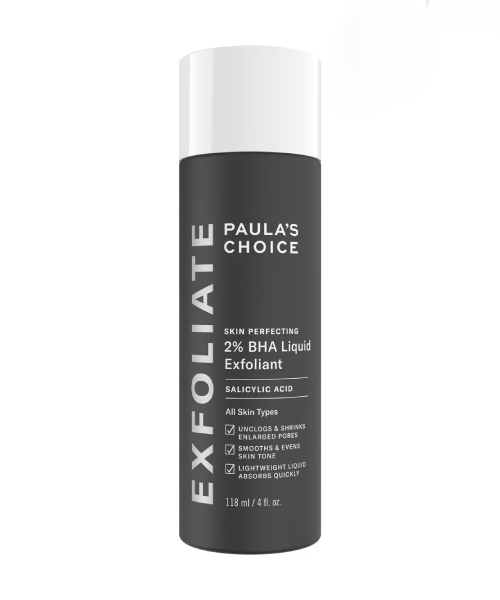
The exfoliant that changed what many people understood about exfoliation. The 2% salicylic acid penetrates the pore lining to dissolve the congestion that causes blackheads and dullness, rather than scrubbing the surface the way physical exfoliants do. Used two or three times a week maximum. The results are gradual and then suddenly very visible — around the third to fourth week of consistent use is when most people notice what’s changed.
- Price: $35 / £35
- Available at: Paula’s Choice (paulaschoice.com), Sephora, Beauty Bay
- Best for: Clearing congestion, reducing blackheads, improving skin texture — the exfoliant worth learning to use correctly before adding anything else
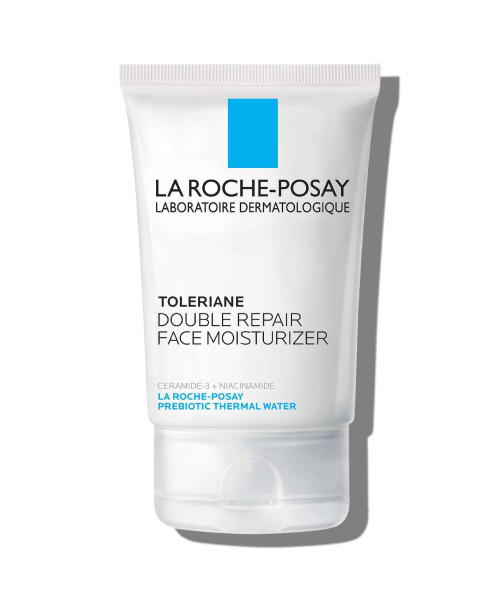
Moisturizer that rebuilds the skin barrier rather than just sitting on top of it. The ceramide formula addresses the specific cause of dry, reactive skin rather than temporarily masking the symptoms. Works for most skin types including combination — the lighter version is available for those who find the standard formula too rich.
- Price: $21.99 / £16
- Available at: Boots, Superdrug, Target, pharmacies, Amazon
- Best for: Daily moisturizing for most skin types — genuinely repairing rather than just hydrating, at an accessible price
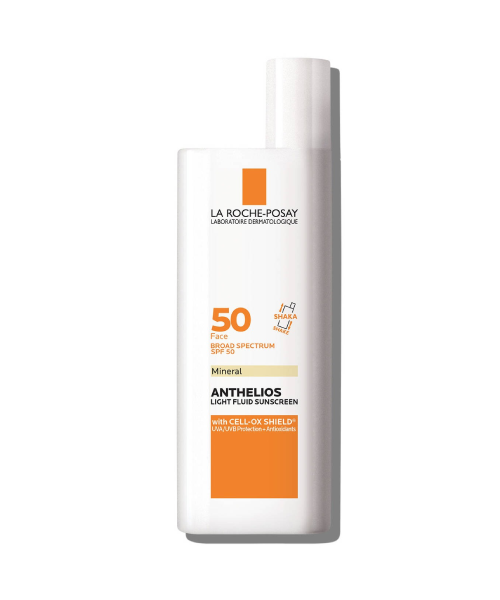
SPF is the step that changes everything about long-term skin appearance and the one that most skincare beginners skip because it feels like the add-on rather than the foundation. It’s the foundation. UV exposure is responsible for approximately 80% of visible skin aging. The La Roche-Posay mineral formula doesn’t pill under makeup, doesn’t leave a white cast in the lighter shades, and provides the SPF 50+ protection that makes a real difference to long-term skin health.
- Price: $36.99 / £19.99
- Available at: Boots, Superdrug, Target, pharmacies, Amazon
- Best for: Daily SPF that goes on cleanly, works under makeup, and provides meaningful protection against the UV exposure that causes most visible aging
The Four Steps in Order
A skincare routine works in a specific order that matters more than most beginner content acknowledges. The order is not arbitrary — it’s determined by what each product needs to do and how it interacts with what’s on the skin before it.
Cleanser goes first because everything else in the routine needs clean skin to be able to absorb or function correctly. Makeup, sunscreen, and the day’s environmental residue sit on top of the skin and block everything applied after them from doing their job. The CeraVe Hydrating Cleanser at night removes all of this. In the morning, if you haven’t been sweating heavily overnight, a rinse with water or a very gentle cleanse is enough because you’ve already cleaned off everything from the night before.
Exfoliant, if you’re using one, goes after cleansing and before anything else. The BHA needs clean skin to penetrate the pore lining and works best on skin that hasn’t had anything applied yet. The most common beginner mistake with exfoliants is using them every day, which is too often — two to three times a week is the correct frequency, and starting with once a week to understand how your skin responds is sensible.
Moisturizer goes after any actives because it seals the moisture into the skin and creates a protective barrier over whatever you’ve applied. The order matters: applying moisturizer before a serum or active dilutes the active and reduces its efficacy.
SPF goes last in the morning routine, after everything else, because it needs to sit on top of the skin rather than under other products to function correctly. Never mix it into your moisturizer before applying — this dilutes the SPF factor. Apply it as its own final step and let it set before applying makeup.
What to Expect in the First Month
The first few weeks of a consistent skincare routine often look worse before they look better, which is the thing that causes most people to abandon their routine before it’s had time to work. If you introduce an exfoliant, the increased cell turnover it promotes can temporarily bring congestion to the surface before clearing it — this looks like more breakouts in weeks two to three before visibly improving in weeks four to six. This is a normal part of the process rather than evidence that something’s wrong.
The improvement that’s most immediately visible and most consistently reported in the first month of consistent routine is skin texture. The combination of gentle cleansing, exfoliation, and barrier repair through moisturizer produces noticeably smoother skin texture within three to four weeks of consistent use. Color evenness, pore size reduction, and any concern-specific improvements take longer — usually three to six months of consistent use before they’re visible.
The most important word in all of this is consistent. Skincare doesn’t work sporadically. It works when the routine is maintained daily and the products are given the time to produce cumulative effects rather than being judged on immediate results.
What to Add After the Basics Are Established
The four-step routine above is complete for most people. If you want to add targeted treatments after three to six months of establishing the basics and seeing what they do, the additions worth considering are: a vitamin C serum in the morning for brightening and antioxidant protection (goes after cleansing and before moisturizer), a retinol or retinoid in the evening two to three nights per week for cellular turnover and long-term skin quality (starts low concentration and builds up slowly), and a dedicated eye cream if eye area concerns are a priority.
These are additions, not replacements. The four steps remain the foundation that everything else builds on top of.
Conclusion
A skincare routine for beginners doesn’t need to be complicated, expensive, or time-consuming to be effective. Four products, used consistently in the correct order, do most of what a much more complicated routine achieves — and they do it without the confusion, the cost, or the product-interaction concerns that come with adding too many actives too quickly. CeraVe cleans without stripping. Paula’s Choice BHA exfoliates correctly without abrasion. La Roche-Posay moisturizer rebuilds the barrier genuinely. And SPF 50+ daily is the single most impactful long-term skin decision available. Start with these four. Give them three months. Notice what changes. And add from there only what your specific skin seems to need.

