
I’ve spent more money on skincare than I’d like to calculate. The serum that promised to transform my skin in four weeks and produced no visible change in four months. The moisturiser that felt extraordinary in the sample and caused breakouts in the full size. The cleanser that smelled incredible and stripped my skin barrier so thoroughly that everything applied after it stung.
Eventually I stopped buying what was beautifully packaged and started buying what had evidence behind it. The skincare routine I have now uses fewer products, costs less than what I was spending before, and has produced more visible, sustained improvement than anything I was doing previously. Here is what I know.
The Evidence-Based Skincare Framework
Before the product recommendations, it’s worth establishing what skincare can and can’t do — because a significant portion of the skincare industry’s revenue is generated by products promising things that skincare cannot achieve.
Skincare can: hydrate the skin surface and support the skin barrier, protect against UV damage (the primary driver of visible ageing and skin cancer), deliver active ingredients that produce measured changes in skin cell behaviour, and reduce inflammation that produces skin concerns like acne and redness.
Skincare cannot: permanently change skin structure, eliminate deep wrinkles through topical application alone, genuinely “detox” skin (the liver and kidneys handle detoxification), or produce results in days that require months to develop.
The ingredients with the strongest clinical evidence: SPF (UV protection), retinoids (cell turnover, collagen stimulation), vitamin C (antioxidant protection, brightening), niacinamide (barrier support, sebum regulation, pigmentation), and hyaluronic acid (surface hydration). These are the ingredients worth spending on. Most other ingredients have partial evidence, plausible mechanisms, or primarily anecdotal support.
The Morning Routine Worth Building
The morning routine has one absolute requirement and several optional additions. The absolute requirement is SPF. UV damage is the primary cause of visible skin ageing and the primary environmental cause of skin cancer. Daily SPF application on the face — every day, including winter, including overcast days — is the single skincare decision with the strongest evidence base for long-term skin health.
The Evening Routine Worth Building
The evening routine is where the active ingredients go — the retinoid that produces cell turnover, the vitamin C that works during the skin’s overnight repair cycle, the exfoliants that remove dead skin cell accumulation. The skin’s repair processes peak during sleep, which makes the evening routine the higher-impact application.
The Best Skincare Routine Products
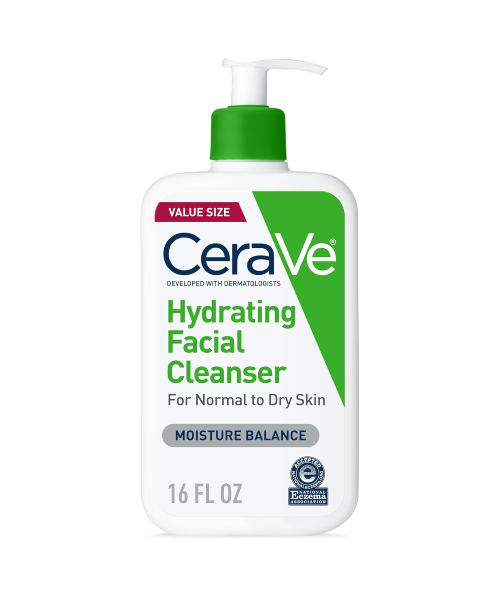
Available at: Amazon, Boots, Superdrug, Target, Walgreens, any pharmacy
Best for: Every skin type — the cleanser that cleans without stripping and is recommended by more dermatologists than any other single product.
Cerave’s Hydrating Facial Cleanser is the cleanser I recommend to everyone regardless of skin type, age, budget, or skin concern. It is the cleanser that dermatologists recommend most consistently in clinical contexts, not because Cerave has particularly good relationships with dermatologists but because the formulation is genuinely excellent.
The ceramide and hyaluronic acid complex cleans effectively — removing makeup, sunscreen, pollution, and excess sebum — without disrupting the skin barrier. The skin barrier disruption that most cleansers produce, particularly foaming cleansers with sulphates, is the specific thing that makes skin feel tight and reactive after washing. Cerave’s non-foaming formula cleans without this disruption. Skin feels clean, not stripped.
The price is $12–16. This is not a product to upgrade from. The gap between Cerave’s performance and products costing five to ten times more in this category is negligible at best and negative in some cases. Every pound or dollar saved on cleanser can go toward the active ingredients that actually change skin.
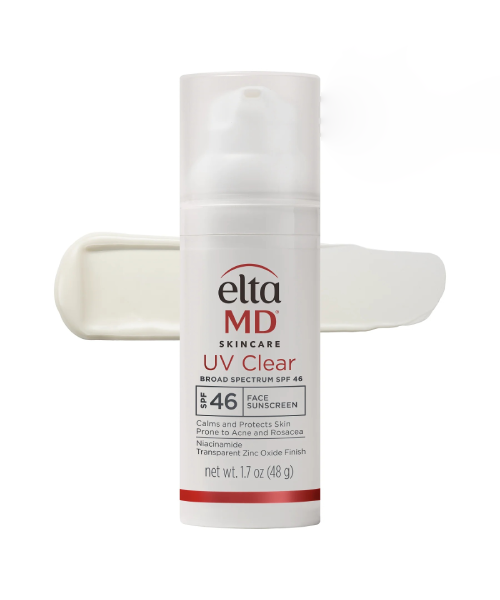
Available at: EltaMD (eltamd.com), Dermstore, Amazon, skincare retailers
Best for: Daily face SPF, particularly those with acne-prone or sensitive skin who need a non-comedogenic mineral formula.
EltaMD UV Clear is the SPF most consistently recommended by dermatologists for daily facial use, and the recommendation is backed by formulation specifics rather than brand preference. The zinc oxide base provides broad-spectrum UVA and UVB protection without the irritation potential of some chemical filters — relevant for sensitive and reactive skin types. The niacinamide content provides skin barrier support alongside the UV protection. The finish is clean enough to wear under makeup without pilling or interference.
UV400 protection blocks all wavelengths up to 400nm, covering both UVA (the ageing rays that penetrate glass and cloud cover) and UVB (the burning rays). This is the protection specification that matters — and EltaMD delivers it consistently in a formula that wears comfortably for daily use.
If the EltaMD price is difficult to sustain, the La Roche-Posay Anthelios Invisible Fluid SPF 50+ at a comparable price point delivers similar mineral protection with a similarly clean finish. Either is significantly better than not wearing SPF.
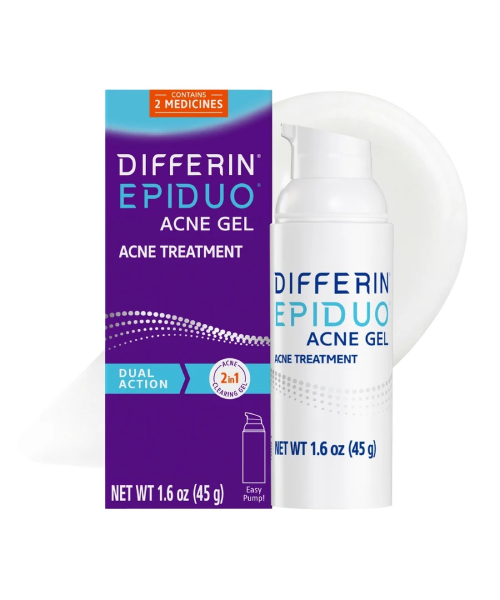
Available at: Amazon, Boots, Walgreens, Target (over the counter)
Best for: Those who want the most evidence-backed active ingredient for skin cell turnover and visible ageing prevention at the most accessible price available without prescription.
Adapalene is a third-generation retinoid — a vitamin A derivative — available over the counter at 0.1% concentration. The clinical evidence behind retinoids is among the most robust in cosmetic skincare: decades of randomised controlled trials demonstrating measurable improvement in fine lines, skin texture, hyperpigmentation, and acne when used consistently over twelve to twenty-four weeks.
Differin was originally prescription-only acne medication. The FDA approved it for over-the-counter sale in 2016 at the 0.1% concentration. At $13–17 per tube lasting approximately three months, it is the most cost-effective clinically proven active ingredient in skincare — performing comparably to prescription tretinoin at a lower concentration and without the prescription requirement.
The application protocol that prevents the initial irritation that causes many people to stop: start at two nights per week for the first two weeks. Three nights per week for the following two weeks. Then nightly as tolerated. Apply to clean, dry skin before moisturiser. The adjustment period is real — some redness, flaking, and increased sensitivity is normal in the first four to six weeks. It resolves as the skin adapts, and the results from consistent use over three to six months are measurable and visible.
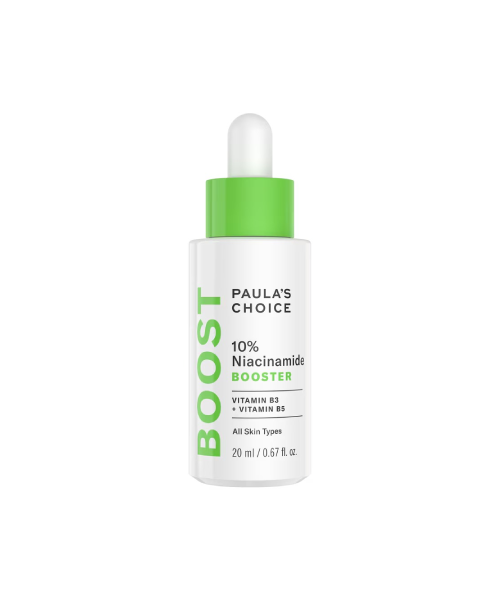
Available at: Paula’s Choice (paulaschoice.com), Sephora, Dermstore
Best for: Those who want a single serum addressing pore appearance, skin tone, oil control, and barrier support simultaneously.
Niacinamide (vitamin B3) has one of the most comprehensive evidence bases in cosmetic skincare — clinical studies support its efficacy for reducing pore appearance, improving hyperpigmentation and uneven skin tone, regulating sebum production, and reinforcing the skin barrier. It is also exceptionally well-tolerated across skin types, including sensitive and rosacea-prone skin where many actives cause irritation.
Paula’s Choice 10% concentration is at the clinically studied level — the concentration range where the evidence for visible skin improvement was demonstrated. Many products use 2–5% niacinamide and claim comparable benefits; the evidence is strongest at 5–10%. The booster format means it can be added to a moisturiser or applied as a standalone serum.
Paula’s Choice is the brand recommendation specifically because of their ingredient transparency — every ingredient in every product is listed with its function and evidence rating on their website. This transparency allows informed purchase decisions rather than marketing-led ones.
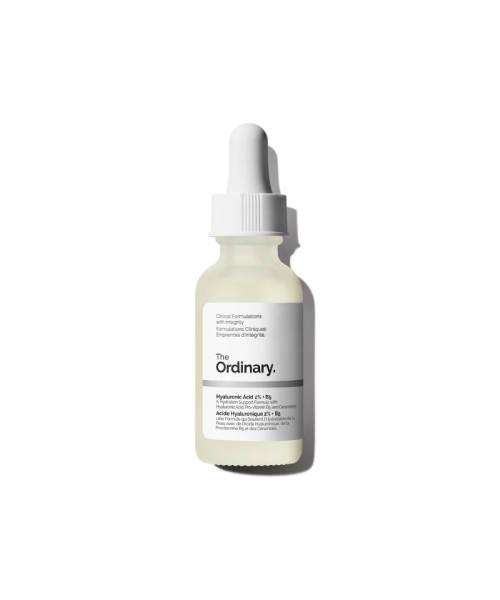
Available at: The Ordinary (theordinary.com), ASOS, Boots, Sephora
Best for: Those who want clinical-level hydration at genuinely minimal cost.
The Ordinary’s hyaluronic acid serum performs identically in independent testing to products charging ten times the price for the same active ingredient at the same concentration. Hyaluronic acid is a humectant — it attracts water molecules to the skin surface from the environment and from the deeper skin layers, temporarily plumping fine lines and supporting the skin’s moisture-retaining capacity.
The application instruction that matters: apply to damp skin rather than completely dry skin. Hyaluronic acid is a humectant — it attracts moisture. Applied to dry skin in a dry environment, it can draw moisture from the deeper skin layers rather than the atmosphere, producing the opposite of the intended effect. Applied to damp skin (immediately after washing, before the skin dries fully), it seals the existing moisture into the surface. This one detail changes whether the product works.
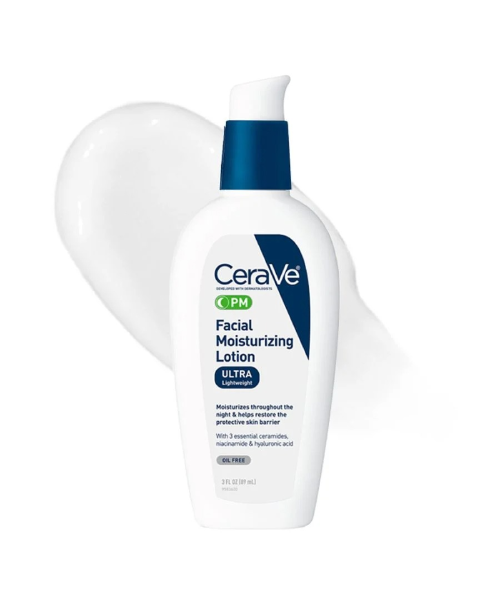
Available at: Amazon, Boots, Target, Walgreens, most pharmacies
Best for: The evening moisturiser that repairs the skin barrier after actives and supports overnight recovery.
The CeraVe PM Facial Moisturising Lotion applies the same ceramide-and-humectant philosophy as the Hydrating Cleanser to moisturisation. The ceramide complex (ceramides 1, 3, and 6-II in the formulation) replenishes the lipid matrix of the skin barrier — the specific repair mechanism that the skin performs overnight and that an appropriate moisturiser supports. The niacinamide at 4% in the formulation adds the barrier and tone benefits alongside the hydration.
Applied after the retinoid has been absorbed (fifteen to thirty minutes), the CeraVe PM seals in the actives and supports the overnight recovery process without the occlusive heaviness that night creams with mineral oil or heavier emollients produce.
Building The Routine Step By Step
Morning: Cerave Hydrating Cleanser → The Ordinary Hyaluronic Acid (damp skin) → Paula’s Choice Niacinamide (optional) → EltaMD UV Clear SPF 46. Four steps, ten minutes, evidence behind every product.
Evening: Cerave Hydrating Cleanser → Differin Adapalene Gel (on dry skin, 2–3 nights per week to start) → CeraVe PM Facial Moisturising Lotion.
This is a complete, evidence-based routine covering every meaningful skincare category: cleansing, hydration, active ingredients, UV protection, and barrier repair. Total monthly cost is approximately $15–20 once the initial purchases are made. Every pound or dollar beyond this spent on skincare should be spent on additional actives with evidence behind them — vitamin C serum in the morning, acid exfoliant once or twice weekly — rather than more expensive versions of the foundation products.
Conclusion
The best skincare routine is the one built on evidence rather than marketing. Cerave cleanses without stripping. EltaMD provides daily UV protection that is the single most impactful skincare decision available. Differin delivers the retinoid evidence base at the most accessible price in the category. Paula’s Choice niacinamide addresses multiple skin concerns simultaneously in one well-formulated serum. The Ordinary hyaluronic acid provides clinical hydration at $9. And CeraVe PM repairs the barrier overnight. Start with these six products, use them consistently for three months, and assess the results before adding anything else. The routine that’s used consistently produces more improvement than the elaborate routine used sporadically.

