
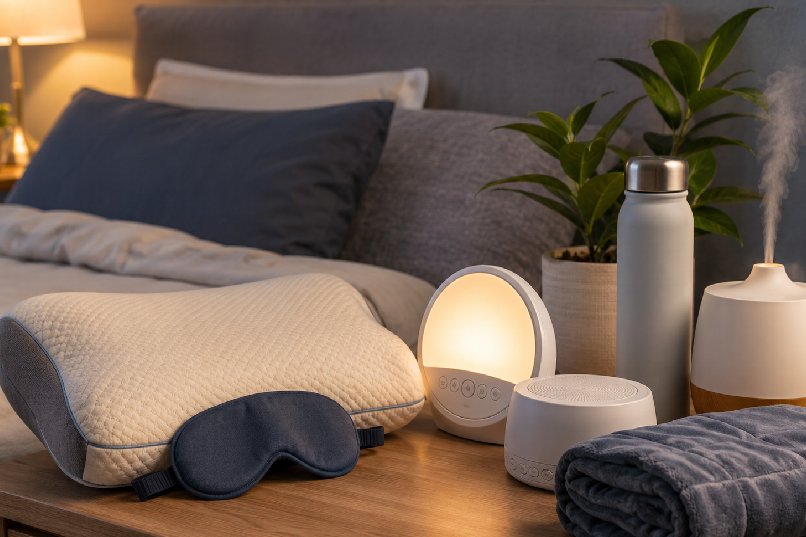
Sleep is the single variable that most affects every other area of daily life — physical health, cognitive performance, emotional regulation, immune function — and the one that most people manage with the least deliberate attention. The mattress purchased once and never evaluated. The bedding chosen without reference to sleep temperature. The bedroom environment optimised for aesthetics rather than sleep.
The sleep products worth buying address specific, identifiable variables in sleep quality rather than the generic “sleep wellness” positioning that most sleep product marketing uses. Here is the specific framework for investing in sleep improvement.
The Sleep Variable Priority Order
The variables worth addressing in order of evidence-strength: sleep schedule consistency (no product required), sleep environment (darkness, temperature, sound — low-cost products), sleep surface (mattress, pillow — significant investment), sleep-adjacent behaviour (screen use, caffeine timing — no products required), and sleep support supplements (melatonin, magnesium — accessible cost).
The expensive purchase before the low-cost changes often produces less improvement than the low-cost changes followed by the purchase.
The Best Sleep Products Worth Buying
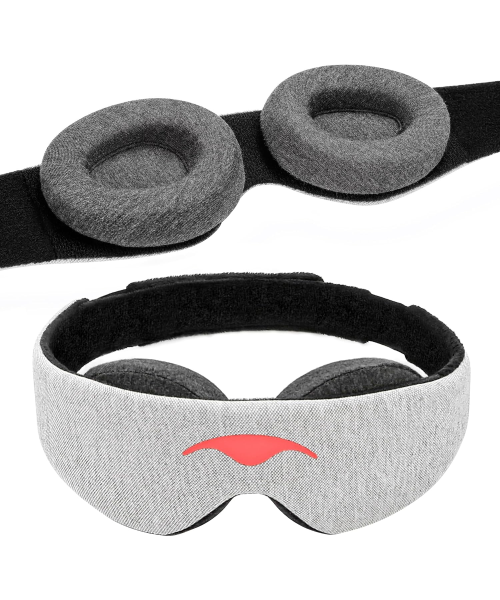
Available at: Manta Sleep (mantasleep.com), Amazon
Best for: Those who can’t control bedroom light levels.
The most impactful low-cost sleep improvement: complete darkness during sleep. The Manta Sleep Mask’s contoured, eye-pressure-free design is the specific quality that makes it wearable through the night rather than removed during the first hour of sleep discomfort.
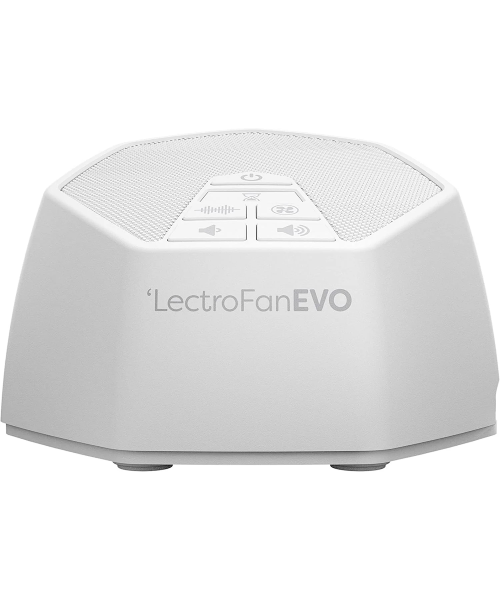
Available at: LectroFan (lectrofan.com), Amazon
Best for: Those in noisy environments who wake from intermittent sound.
White, pink, and brown noise options alongside fan sound simulations — the consistent audio environment that masks intermittent external noise. The research on sound masking for sleep is consistent: consistent background noise produces fewer night wakings from external sounds than intermittent quiet broken by noise intrusion.
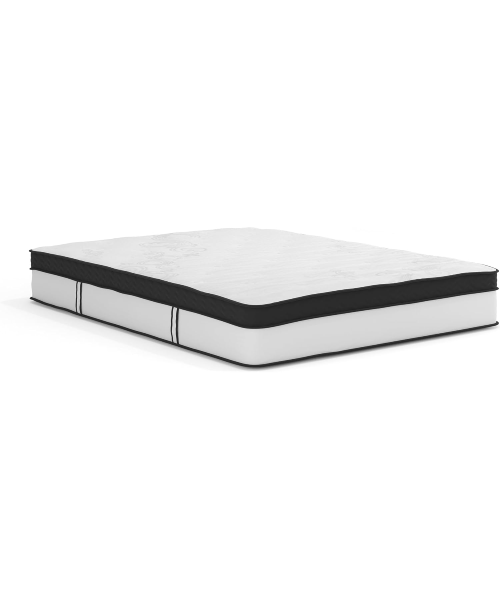
Available at: Emma (emma-sleep.co.uk)
Best for: Those whose current mattress is uncomfortable, too old, or not matched to their sleep position.
Emma’s 200-night trial removes the risk from the mattress investment and the combination of pocket springs and cold foam produces the pressure relief and support that suits most sleep positions and body types without requiring specific knowledge of which firmness to choose.
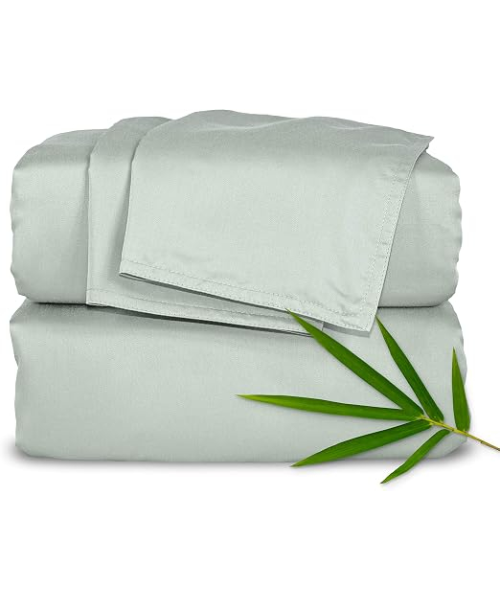
Available at: Parachute Home (parachutehome.com)
Best for: Warm sleepers, those using standard department-store cotton sheets.
Already covered extensively in the home & garden bedding content — the percale sheets that improve with washing, breathe better than sateen alternatives, and produce genuinely better sleep temperature management for warm sleepers.
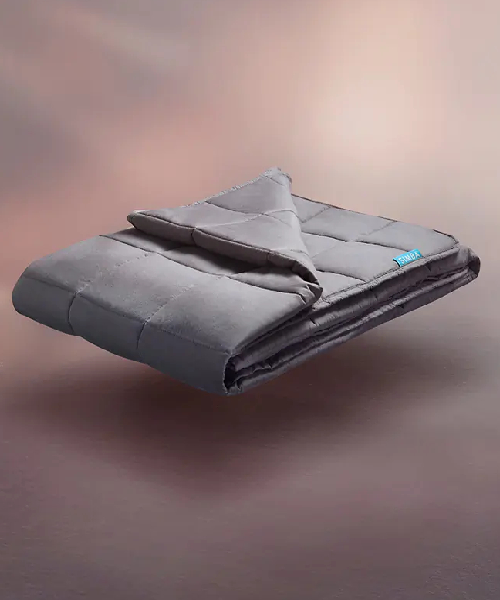
Available at: Simba Sleep (simbasleep.com)
Best for: Those with difficulty reaching sleep onset, those who wake frequently.
The deep pressure stimulation from a correctly weighted blanket produces the specific parasympathetic nervous system activation that reduces pre-sleep anxiety and improves sleep onset time in both research studies and consistent user experience.
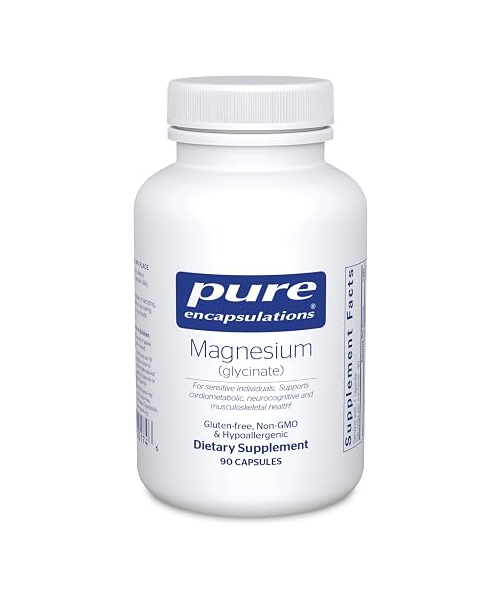
Available at: Amazon, health food stores, pharmacies
Best for: Those with magnesium insufficiency — common in those eating modern diets — who want to support sleep quality through nutritional support.
Magnesium is involved in over 300 enzymatic processes including sleep regulation. The glycinate form is more bioavailable than the oxide form commonly sold and produces less digestive disruption. In those who are magnesium-insufficient (which is common), supplementation produces measurable sleep quality improvement.
The honest caveat: supplementation helps those who are insufficient. Those with adequate dietary magnesium experience minimal additional benefit. At £15–25 for two months, the experiment is financially trivial if you’re uncertain which group you’re in.
The Sleep Environment Changes That Cost Almost Nothing
Blackout blinds or curtains. IKEA’s MAJGULL blackout lining at £25 fits any curtain. The sleep quality improvement from complete darkness is immediate and measurable. This is the first sleep investment worth making — before any other product.
Bedroom temperature. The optimal sleep environment temperature for most adults is 16–18°C (60–65°F). Checking the bedroom temperature and adjusting heating accordingly costs nothing and produces immediate improvement for those sleeping in rooms outside this range.
Phone outside the bedroom. The behavioural change that most improves sleep onset time for most people. No product required. A physical alarm clock (£10–20) replaces the phone alarm function and removes the primary justification for phone-in-bedroom. The resulting reduction in pre-sleep screen exposure and elimination of night-time notification checking produces earlier sleep onset and reduced waking for most people who try it consistently.
Conclusion
Sleep investment produces the highest-return-per-pound improvement in daily wellbeing of any lifestyle category. Manta Sleep Mask for complete darkness at the lowest possible price. LectroFan for sound environment control. Emma mattress for the sleep surface investment with the longest trial in the market. Parachute percale for breathable, improving bedding. Simba weighted blanket for sleep onset anxiety. And magnesium glycinate for the nutritional sleep support with genuine evidence in those with insufficiency. Start with the environment — darkness, temperature, phone outside the bedroom — before any product purchase. The environment changes cost almost nothing and frequently produce as much improvement as the products. Then address the sleep surface, then the accessories. Each step builds on the last.

