
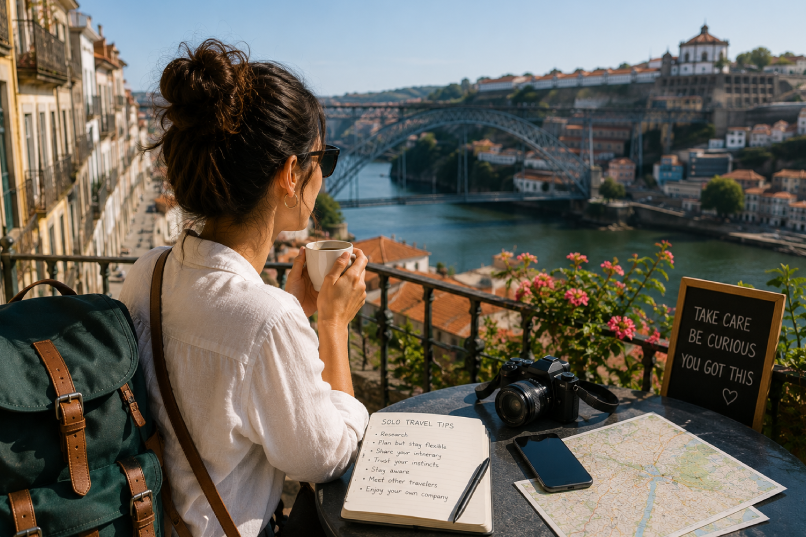
Solo travel for women has a specific duality in the cultural conversation around it. There’s the inspiring version — the transformation, the freedom, the discovery of self in unfamiliar places. And there’s the anxiety version — the safety concerns, the practical challenges, the social discomfort of restaurants and activities that seem designed for pairs and groups. Both are real. The solo travel that works well navigates both.
What I know from solo travel experience: the practical and safety concerns are manageable with appropriate preparation and are genuinely different from the concerns that cultural anxiety about women traveling alone implies. And the actual experience — the specific freedom of moving according to your own timeline without negotiation, the quality of the observations you make when you’re not mediating them through another person’s experience, the people you meet when you’re alone in a way you don’t when you’re not — is genuinely irreplaceable.
Products
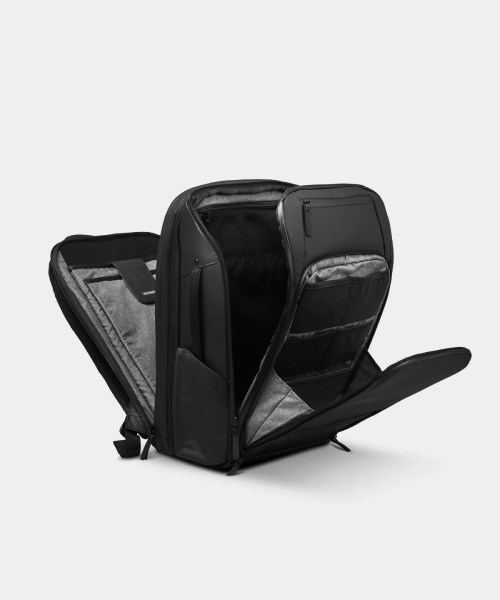
Nomatic’s bags are specifically designed for the solo traveler’s requirements — the self-sufficiency that means everything you need is organized and accessible without depending on anyone else to manage any part of the logistics. The Navigator as the daily exploration bag, the larger travel pack for the accommodation base — the Nomatic system applied to solo travel produces the self-contained organization that makes solo travel feel managed rather than uncertain.
- Price: From $149.99 for the Navigator
- Available at: Nomatic (nomatic.com)
- Best for: Solo travelers who want the organizational self-sufficiency that makes single-person travel feel managed — bags that organize for the person who is managing everything independently
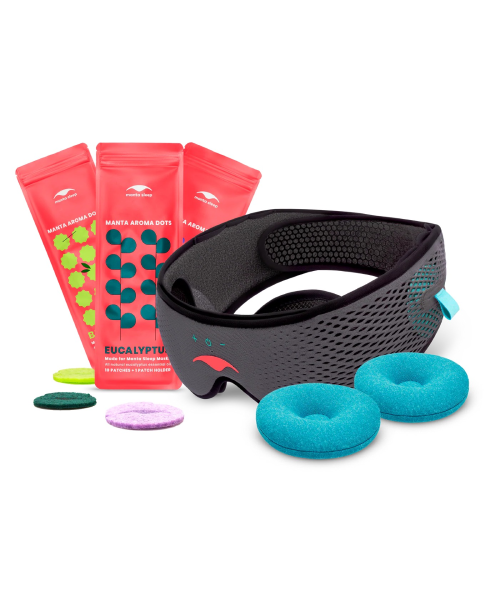
The Manta travel sleep set matters particularly for solo travel because there’s no partner to manage noise and light concerns on behalf of both people — the solo traveler manages the sleep environment entirely independently. The blackout mask and earplugs provide consistent sleep quality regardless of what the hotel room offers or what the neighboring room sounds like.
- Price: $45–$55
- Available at: Manta Sleep (mantasleep.com), Amazon
- Best for: Solo travelers who want sleep quality that doesn’t depend on the specific accommodation’s light and sound management — the independent sleep environment in any hotel room
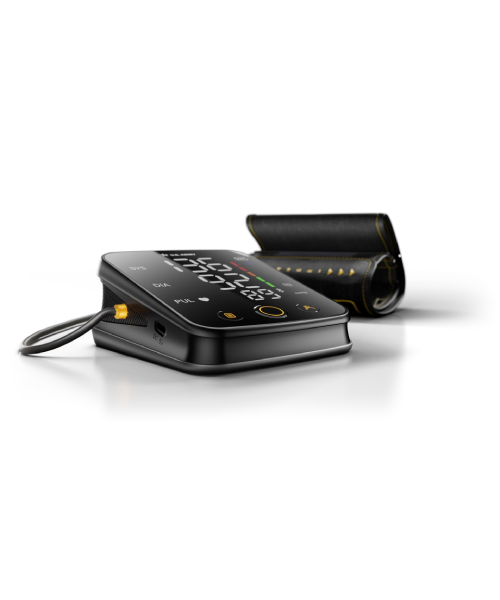
Oxiline produces health monitoring devices that include personal safety features for solo travelers — the heart rate and blood pressure monitoring that provides health data in contexts where a medical incident without a companion is more concerning than with one. For those with any cardiovascular or health concerns who travel alone, the monitoring capability provides the data layer that makes solo travel with those concerns more manageable.
- Price: $79.99
- Available at: Oxiline (oxiline.com)
- Best for: Solo travelers with health monitoring needs who want reliable data in travel contexts where a health event without a companion requires more self-management
The Safety Reality for Women Traveling Solo
The safety conversation around women traveling solo is worth having honestly rather than through either dismissal of legitimate concerns or amplification of risks to the point of preventing travel that’s statistically safe.
The statistical reality: women who travel solo to the destinations that solo travel recommendations typically cover — Europe, East Asia, Oceania, most of North and South America — are not engaging in objectively dangerous behavior. The crime and violence statistics in most recommended travel destinations are comparable to or better than those in most travelers’ home cities. The specific safety concerns around solo female travel — harassment, targeted theft, and the very rare but serious incidents that get disproportionate attention — are real but manageable.
The practical safety approach that makes solo travel genuinely low risk: research the specific areas of accommodation before booking, stay in areas with good reviews from recent solo female travelers, share itinerary and accommodation details with someone at home, use standard theft-prevention practices (money belt for documents and emergency cash, bag worn across body in crowded areas), and trust the specific instinct that reads a situation as wrong rather than the general anxiety about solo travel.
The Social Question in Solo Travel
The most commonly cited concern about solo travel beyond safety is the social dimension — the restaurants where a table for one seems awkward, the activities designed for groups, the evenings with no one to debrief the day with. These concerns are real and they change with the approach.
The solo traveler who stays in hotels tends to have less social opportunity than the solo traveler who spends some time in hostels or hostel common areas — not necessarily sleeping in dorms, but using common areas where the social opportunity is built in. Guided group tours for specific activities provide the social dimension for those activities without requiring a travel partner for the full trip. Restaurants with counter seating, bars with good culture for solo visitors, and coffee shops with the culture for working or reading — these are the specific environments that work better for solo eating than the couple-and-group restaurant where a single person at a table feels obvious.
The Specific Rewards of Solo Travel
The rewards that solo travel provides and that group travel structurally can’t: the itinerary built entirely around your specific interests without negotiation. The pace set by your own energy levels without accounting for another’s. The complete freedom to change plans based on what feels right in the moment. The observations you make when you’re not sharing them in real time with a companion. And the specific quality of the conversations you have with strangers when you’re alone — the conversations that don’t happen when you’re with someone because the pair is self-sufficient in a way the solo person isn’t.
Conclusion
Solo travel for women works best when the preparation addresses the specific logistics of self-sufficient travel rather than the general concerns that cultural anxiety about solo female travel amplifies. Nomatic’s organizational system provides the self-sufficiency that makes solo travel feel managed. Manta’s sleep set provides sleep quality that doesn’t depend on the accommodation’s management. ThighSociety’s comfort products address the physical demands of the longer solo sightseeing days that ambitious solo itineraries produce. And Oxiline’s health monitoring provides data for those with health monitoring needs who travel without a companion. The solo trip that works is the one prepared for as the self-sufficient experience it is — and the rewards it produces are ones that no other travel format replicates.

