

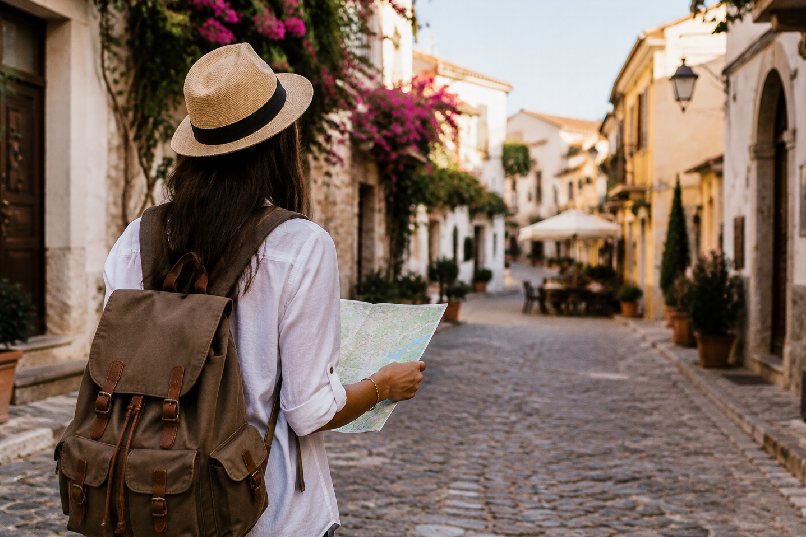
Solo travel is the travel experience that most consistently produces the description “life-changing” from women who’ve done it — and the prospect that most consistently produces the “but isn’t it dangerous?” response from those who haven’t. The gap between these two responses is worth examining, because the specific risks of solo female travel are real and manageable, while the general fear that prevents many women from trying it is often based on a threat assessment that overweights rare events and underweights the genuine safety of most destinations in normal conditions.
This guide is honest about both. The specific risks that require specific responses. And the equally specific pleasures of solo travel that are genuinely only available when travelling alone.
What Solo Travel Actually Provides
The specific pleasure of solo travel is not the freedom from compromise — that’s usually how it’s described, and it’s accurate. But the deeper quality is something more specific: the need to engage with the world directly. The restaurant where you sit at the bar and have a conversation with the person next to you because there’s no companion to talk to. The decision to take the less-obvious route because you’re not managing someone else’s comfort with uncertainty. The specific quality of being entirely responsible for the day’s experience — no one to defer to, no negotiation required.
These are experiences only available when travelling without companions. Whether they’re more valuable than the shared experiences of companion travel is personal. Both are worth having.
Safety Specifics Worth Knowing
Research destination-specific safety, not general perceptions. The perception of a destination’s safety for solo female travellers is frequently worse than the reality and occasionally better than the reality — and neither matches without destination-specific research. The UK Foreign Office travel advice, the US State Department travel advisories, and the reports from other solo female travellers on forums and blogs provide the specific, current information that generalised safety perceptions don’t.
Trust specific instinct, not general anxiety. The general anxiety about travel is frequently not connected to a specific threat assessment — it’s the non-specific fear of the unfamiliar that affects first-time solo travellers in any destination, including safe ones. The specific instinct that something is wrong in a specific situation is worth acting on. The general background anxiety of being alone in a new place is the feeling to experience rather than act on.
The Best Products For Solo Travel
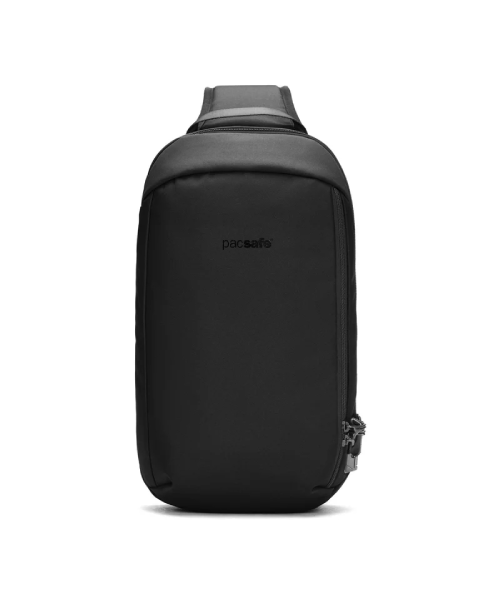
Available at: Pacsafe (pacsafe.com), Amazon, travel retailers
Best for: Solo travellers who want anti-theft features in a daily carry bag without the obvious security-product aesthetic.
Pacsafe’s anti-theft backpacks use cut-resistant straps, lockable zips, and RFID-blocking pockets in a bag that reads as a standard quality daypack rather than an obviously security-focused product. The cut-resistant straps prevent the bag-slashing that occurs in crowded areas. The lockable zips prevent opportunistic zip-opening in crowds. The RFID pockets prevent card skimming.
Whether these specific features are necessary depends entirely on the destination and the behaviour within it — in most European cities in normal tourist contexts, they’re probably unnecessary. In very high-density tourist areas or in pickpocketing-prevalent destinations, they’re useful. The specific value of the Pacsafe over the alternative of constant vigilance is peace of mind that allows enjoying the destination rather than managing anxiety about possessions.
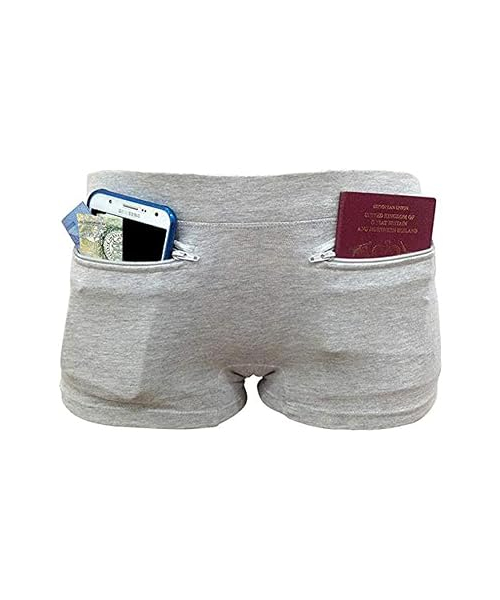
Available at: Clever Travel Companion (cleveltravelcompanion.com), Amazon
Best for: Solo travellers who want to carry a copy of their passport and emergency cash in a location not accessible to pickpockets.
The travel underwear with a hidden zip pocket — sized for a folded A4 document copy and folded emergency cash — is the simple, inexpensive security product for those who want the specific peace of mind of knowing that the loss of a bag or wallet doesn’t mean the loss of everything. A copy of the passport, a backup credit card, and £50 in local currency in the underwear pocket are the recovery resources for the worst-case theft scenario.
Available at: App Store, Google Play
Best for: Solo travellers who want to navigate without relying on mobile data in destinations where roaming is expensive or coverage is unreliable.
Maps.me downloads complete maps for offline use — the navigation that works without data or wifi, and that works in destinations where Google Maps offline functionality is less comprehensive. For solo travellers who want the confidence of navigation without dependency on connectivity, the offline map is the preparation that converts the uncertainty of being lost in an unfamiliar city into the manageable experience of checking the map.
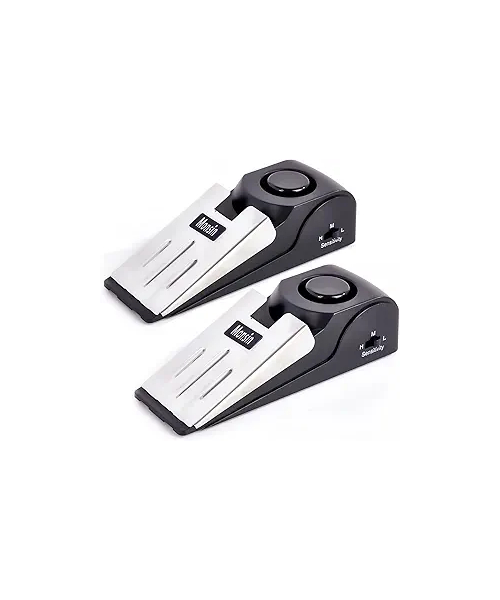
Available at: Amazon, travel retailers
Best for: Solo travellers staying in budget accommodation who want additional security for the room door.
The portable door stop alarm wedges under the door and sounds a loud alarm if the door is opened — providing additional security in accommodation where room door security is uncertain. At £8–15, the peace of mind produced for a solo traveller in budget accommodation is disproportionate to the cost. The alarm won’t prevent determined entry, but it will prevent opportunistic entry and will alert the traveller to any attempted opening.

Available at: Meetup (meetup.com), Couchsurfing (couchsurfing.com)
Best for: Solo travellers who want social connection during a solo trip without committing to companion travel.
The specific loneliness of solo travel — the evenings when the restaurant table for one and the solo dinner feel isolating rather than independent — is managed most effectively by the scheduled social engagement rather than the unscheduled hope of meeting someone. Meetup events in most major cities include walking tours, language exchange evenings, and social gatherings specifically for travellers. Couchsurfing’s event listings provide similar socialising without the accommodation exchange.
The Destinations Most Consistently Recommended For Solo Female Travel
Japan is the most consistent solo female travel recommendation — the combination of low crime, clear signage in English and visual systems, efficient and comprehensible public transport, and the general culture of privacy that leaves solo female travellers feeling safe and unconflicted rather than observed and assessed.
Iceland for the specific combination of extraordinary landscape and an extremely safe environment — Iceland consistently rates among the safest countries globally for women.
New Zealand for accessible outdoor adventure in a safe environment with a well-developed backpacker infrastructure that makes social connection alongside solo travel straightforward.
Portugal for the combination of affordability, beauty, warmth (cultural rather than just meteorological), and genuine safety across most of the country for female travellers.
Conclusion
Solo female travel is genuinely worthwhile and genuinely manageable with appropriate preparation and appropriate destination choice. Pacsafe for the anti-theft features that reduce the active attention required in higher-risk environments. Clever Travel Companion underwear for the backup documents and cash in case of worst-case scenarios. Maps.me for offline navigation independence. Doorstop alarm for additional budget accommodation security. And Meetup and Couchsurfing events for scheduled social connection when solo evenings feel isolating. Whatever destination you choose — research specifically rather than generally, trust specific instinct over general anxiety, and know that the specific pleasures of solo travel are genuinely only available when you’re travelling alone.

