
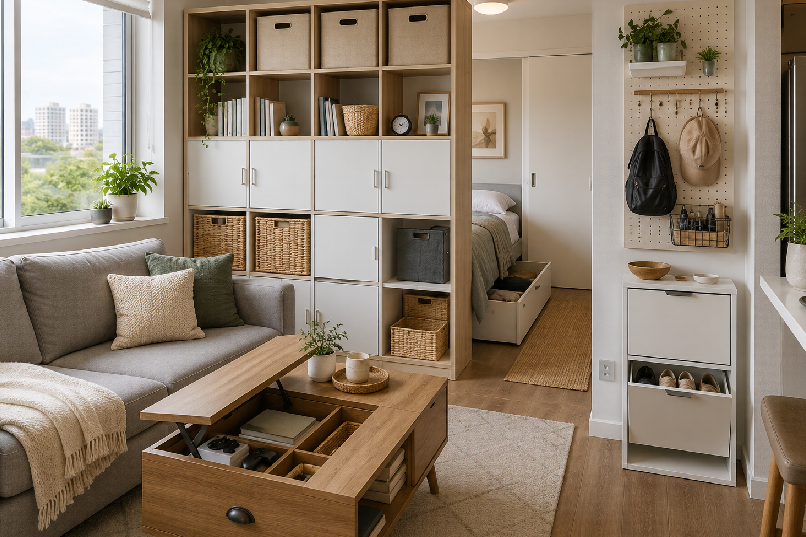
Small space living is a skill, and like most skills it has a learning curve followed by a phase where the constraints that seemed limiting start feeling like they’re producing better decisions. The specific discipline of small space living — knowing where everything is because there isn’t room for things to be nowhere in particular, not accumulating things you don’t actually use because there’s nowhere to put them — is one that people who’ve lived in genuinely small spaces often describe as having lasting positive effects on how they approach possessions regardless of how large their subsequent spaces become.
But first, the practical challenge. Most small home storage problems come from the same source: too many things occupying the primary storage locations while the secondary and tertiary storage opportunities — vertical space, under-furniture space, back-of-door space, and dual-function furniture — go unused. The products below address these opportunities specifically.
Products
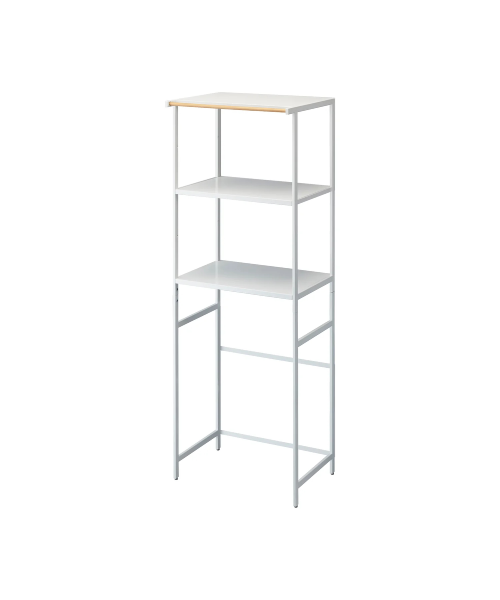
Yamazaki’s Tower Slim series addresses the specific small space problem of unused narrow spaces — the gap beside the refrigerator, the space beside a washing machine, the slim wall section between two pieces of furniture — with a rack specifically designed for these dimensions. The Tower Slim is typically 10-15cm wide and uses vertical height to create storage in spaces that a standard shelf can’t fit. The minimalist steel and wood design reads as furniture rather than utility storage.
- Available at: Yamazaki Home (yamazakihome.com), Target, Amazon
- Best for: Using the narrow spaces beside appliances and furniture that most homes leave completely empty — the storage solution that creates capacity from genuinely unused space
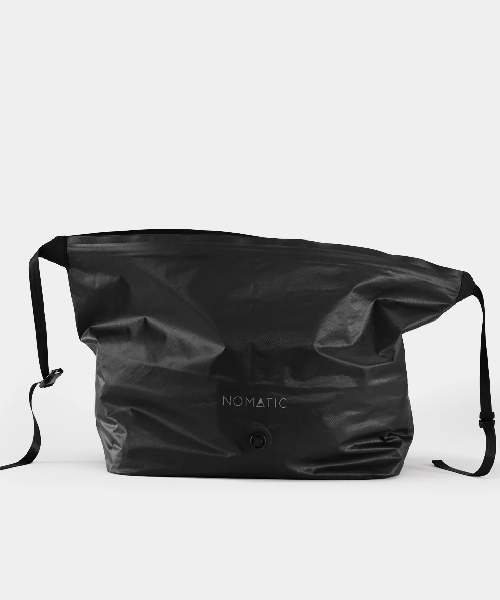
Nomatic’s vacuum compression storage bags apply the same space-efficiency engineering they use in their travel bags to home storage. The bags compress down to a fraction of their original volume when vacuumed, making them the storage solution for seasonal items — winter duvets in summer, summer clothes in winter — that don’t need regular access but take significant space in standard storage.
- Available at: Nomatic (nomatic.com), Amazon
- Best for: Compressing seasonal items — bedding, clothing, bulky textiles — into a fraction of their normal storage volume for under-bed or high-shelf storage
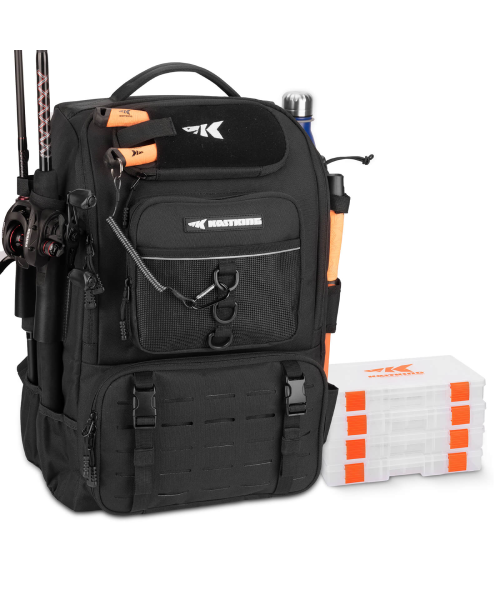
KastKing’s modular tackle storage system — designed for organizing fishing tackle but genuinely the most versatile small item organization system available — provides divided, labeled, stackable storage for any category of small items that currently lives in an undifferentiated drawer or box. From craft supplies to hardware to small accessories, the divided and stackable format creates visibility and accessibility in spaces where small items currently accumulate in a way that makes finding anything require emptying everything.
- Available at: KastKing (kastking.com), Amazon
- Best for: Organizing any category of small items with visibility and accessibility — the storage system that turns a disorganized drawer or box into something you can actually navigate
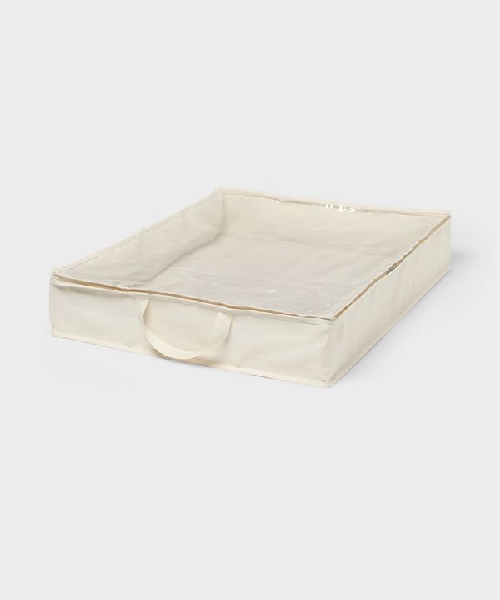
Super Smalls produces the specific under-bed storage in a format designed for children’s belongings that’s equally useful for adult small space living. The divided compartments, low profile to fit under most bed frames, and the clear lid that allows seeing contents without removing the organizer represent the specific combination that makes under-bed storage actually usable rather than the place where things are sent to be forgotten.
- Available at: Super Smalls (supersmalls.com), Target
- Best for: Under-bed storage with a format that allows actually seeing and accessing what’s stored there — the under-bed solution that stays organized rather than becoming an opaque dump
Finding Storage Space That Already Exists
The primary approach in small space storage before buying anything new is identifying the storage capacity that already exists in the space but isn’t being used. This is almost always more significant than it appears.
Vertical space is the most consistently underused storage resource in small homes. The space from the top of wardrobes and bookcases to the ceiling is wasted in most homes. High shelves for items used rarely but needed occasionally — seasonal items, entertaining pieces, backup supplies — can be added to most rooms without structural work.
Under-furniture space is the second consistently underused resource. Under beds, under sofas, and under dining tables (with appropriate furniture legs) all provide hidden storage for items that need to be accessible but not constantly visible. The specific measurement of under-bed clearance determines whether standard under-bed storage boxes fit or whether the bed frame creates the clearance, and this is worth measuring before buying any under-bed storage.
The backs of doors are the third underused surface. Over-door hooks, pocket organizers, and shallow shelves on door backs create storage in space that’s otherwise completely empty in most homes.
The inside surfaces of cabinet doors — in kitchens, bathrooms, and wardrobes — are another consistently overlooked surface. Small hooks, magnetic strips, and adhesive pockets on inside cabinet doors create storage that’s immediately accessible when the door opens without taking any shelf or drawer space.
The Dual-Function Furniture Approach
In small spaces, every piece of furniture should be doing at least two jobs. A coffee table with storage underneath. A bed with drawers built in. An ottoman that opens for storage. A bench with a storage chest inside. A side table with a drawer. These are not compromises on the design quality of the furniture — they’re the standard that small space living should apply to furniture selection, and the market for well-designed dual-function furniture has expanded significantly as small space living has become more prevalent.
The specific piece worth seeking in a small living space: a storage ottoman that serves as additional seating, a surface for putting things, and a container for blankets, books, or other items that need a home but not a permanent one. This single piece serves three functions in a space where floor area is limited enough that each piece needs to justify itself.
Conclusion
Small space storage that works is storage that finds and uses the capacity already present in the space — vertical height, under-furniture clearance, door backs, cabinet interiors — before adding new storage furniture. Yamazaki’s Tower Slim creates organized storage in the narrow spaces beside appliances that most homes leave completely empty. Nomatic’s vacuum bags compress seasonal items into the under-bed and high-shelf storage that most homes have but rarely use effectively. KastKing’s modular storage brings visibility and accessibility to the small items that currently make drawers and boxes un-navigable. And Super Smalls’ under-bed organizer is the specific solution for making under-bed storage actually accessible rather than an opaque reserve where things disappear. The combination of these approaches — using existing space first, adding storage furniture that serves multiple functions, and organizing the contents so things can actually be found — is what makes small space living feel spacious rather than cramped.

