


I used to think sunglasses were the category to underspend on. They get sat on, left in taxis, dropped at the beach. The attrition rate is high enough that spending properly felt difficult to justify. Then I bought a pair of Ray-Bans in 2020 and they’re still my primary sunglasses in 2026 — six years later, same frames, still clear lenses, still worn regularly. The economics changed completely with that one experience.
The issue with cheap sunglasses isn’t primarily that they look cheaper — though they often do. It’s that the lenses distort, the frames warp, and the UV protection is either non-existent or unverified. Sunglasses are the accessory where quality actually matters for functional rather than purely aesthetic reasons.
What Matters In Sunglasses
UV protection is non-negotiable and not correlated with price. Cheap sunglasses can provide full UV protection. Expensive sunglasses can provide inadequate protection. The CE marking and UV400 designation are the standards to look for — CE marking indicates compliance with European safety standards, UV400 means all light up to 400nm wavelength (covering both UVA and UVB) is blocked. Without these, dark lenses create a false sense of protection by encouraging the pupil to dilate while providing no actual UV blocking.
Lens quality is correlated with price in the specific way that matters. The optical distortion at the edges of the lens — the slight warping that cheap lenses produce when you move your eyes toward the periphery — is absent in quality lenses. Polarisation, available on better lenses, removes glare from reflective surfaces and is a genuine functional upgrade for driving and water activities rather than simply a premium feature.
Acetate frames are the quality standard. Plant-based acetate holds its shape, doesn’t fade, can be adjusted by opticians when the fit shifts, and has a specific weight and texture in the hand that distinguishes it from cheaper injection-moulded plastic. Metal frames are the alternative quality option. If the frame material is described as “plastic” without further specification, assume injection-moulded rather than acetate.
The Best Sunglasses Worth Buying
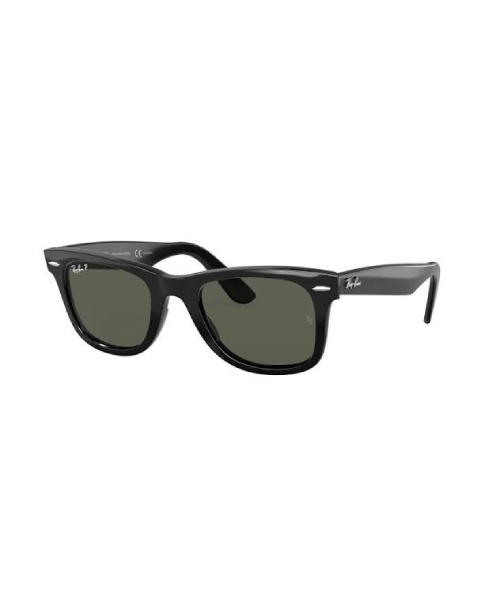
Available at: Ray-Ban (ray-ban.com), Sunglass Hut, most department stores
Best for: The most versatile, flattering classic frame that suits most face shapes and most wardrobe contexts.
The Wayfarer has been the reference point for classic sunglasses since 1956 and continues to earn inclusion in this category because the design is genuinely flattering across a wide range of face shapes — wider at the top than the bottom, which provides the structure and presence that many frames achieve on specific face shapes only. The acetate construction holds its shape, the glass lens options (worth the upgrade over standard plastic) provide optical clarity and scratch resistance that plastic lenses don’t, and the G-15 lens — Ray-Ban’s signature slightly greenish tint — provides excellent colour rendering in bright conditions.
Six years of consistent summer wear on mine. The acetate is unchanged. The lenses have no scratches. The screws are original. Nothing has needed replacing. This is the outcome that justifies buying properly.
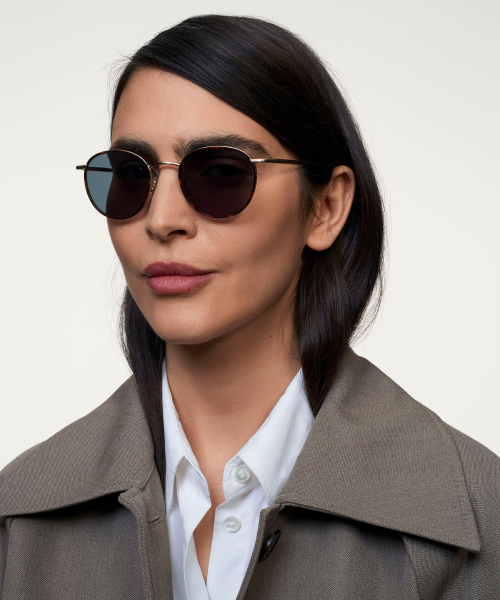
Available at: Ace & Tate (aceandtate.com), in stores across Europe
Best for: Those who want considered frame design at mid-range prices, particularly those who need prescription lenses.
Ace & Tate produces acetate sunglasses with genuine design consideration at prices below the established heritage brands. The frames are designed to actually flatter rather than simply exist — the design team works with face shape proportions in the brief rather than simply producing shapes that look good on mood boards. The prescription capability makes them the recommendation for those who need corrected lenses in their sunglasses, where the price advantage over traditional opticians is significant.
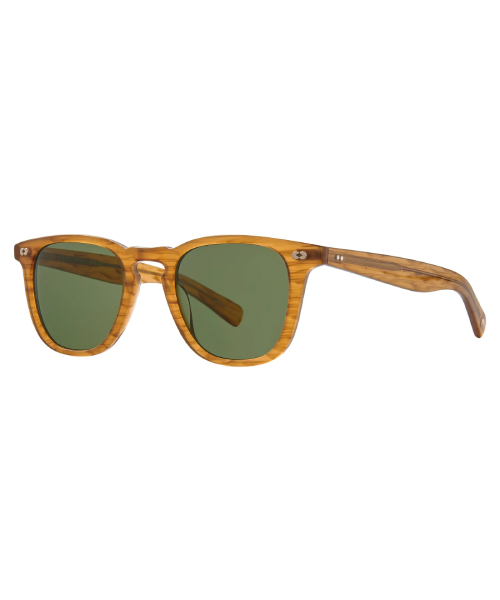
Available at: Garrett Leight (garrettleight.com), SSENSE, Selfridges, END
Best for: Those who want the best acetate frame quality with distinctive design that rewards looking at closely.
Garrett Leight makes sunglasses that consistently appear on the faces of people whose everyday style I find genuinely interesting. The frames are made in Japan with acetate quality that produces the specific weight and warmth in the hand that distinguishes premium from mid-range — the difference between an object and a considered piece. The designs are distinctive without being fashion-specific: they’ll look as relevant in five years as they do now.
The Hampton model is the most versatile in the range — a round-adjacent acetate frame that works across face shapes and styles without the fashion specificity of more distinctive designs.
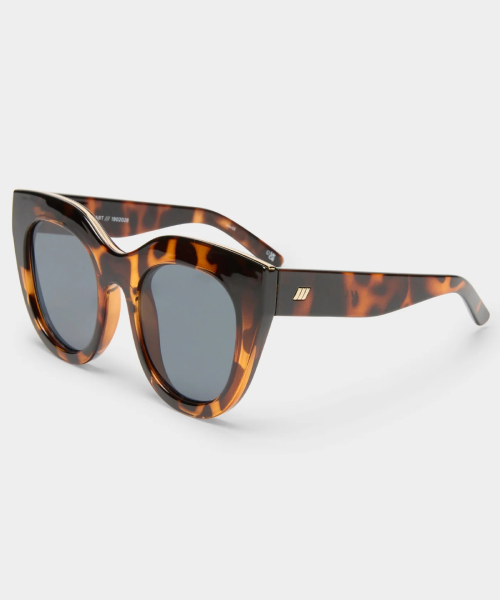
Available at: Le Specs (lespecs.com), ASOS, Urban Outfitters
Best for: Those who want trend-forward shapes at accessible prices without sacrificing UV protection.
Le Specs is the Australian brand that produces trend-forward frames at genuinely accessible prices — the cat-eye, the oversized, the 70s-inspired shapes that more expensive brands charge a significant premium for. The UV400 protection is genuine, the frames are nylon rather than acetate but hold their shape adequately for the price tier, and the lens quality is above what the price typically delivers.
For those who want the current fashion shape alongside a more classic pair, Le Specs fills the trend position without the trend price.
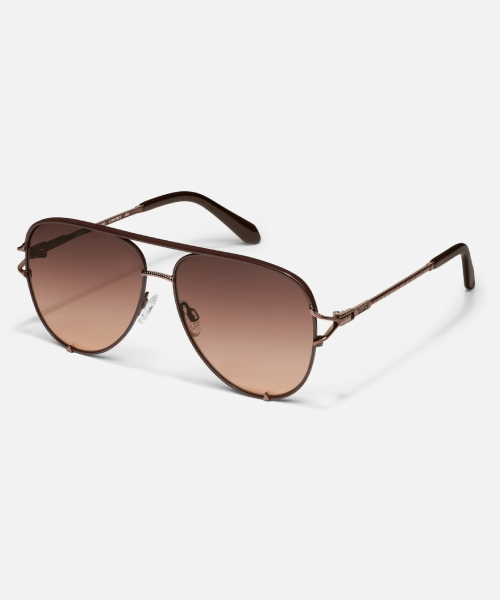
Available at: Quay Australia (quayaustralia.com), ASOS, Nordstrom
Best for: Those who want a current, versatile shape at genuinely accessible prices.
Quay produces fashion-forward frames at prices that make buying two different pairs simultaneously a reasonable consideration. The UV protection is genuine, the frame quality is above the price tier, and the range covers both the classic shapes and the trend-forward options in a single brand. For those who lose sunglasses regularly and find premium spending difficult to justify for that reason, Quay is the honest recommendation — good enough to feel like you bought properly, accessible enough that replacement isn’t a significant event.
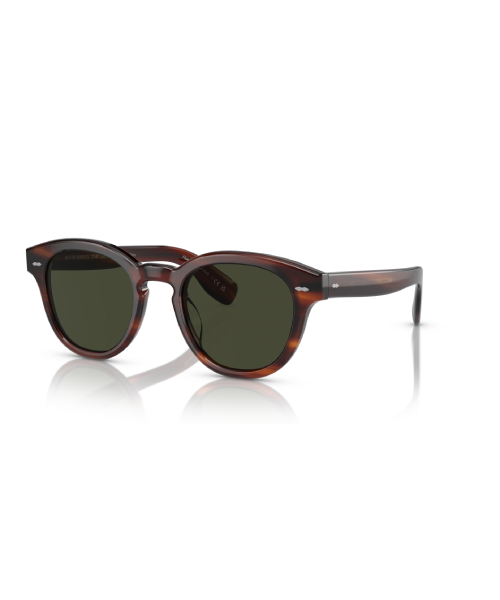
Available at: Oliver Peoples (oliverpeoples.com), Selfridges, Farfetch
Best for: Those who want a genuine investment in American optical heritage with exceptional acetate quality.
Oliver Peoples produces sunglasses in the Los Angeles heritage optical tradition — the specific colour acetates developed in-house, the lens tinting calibrated specifically for the frame colours, and the construction at a level that produces sunglasses lasting years of daily wear. The Cary Grant frame — an oval acetate classic inspired by the actor’s private collection — is the model that most consistently appears in sunglasses recommendations from those whose visual taste I find reliable.
Conclusion
Sunglasses reward buying well because the functional and aesthetic benefits of quality hold across years rather than seasons. Ray-Ban Wayfarer for the versatile classic that suits most faces and most wardrobes. Ace & Tate for considered design at mid-range prices, particularly for prescription needs. Garrett Leight for elevated Japanese acetate quality with a distinctive California sensibility. Le Specs for trend shapes at accessible prices. Quay for accessible fashion frames worth buying for variety or as a replacement standby. And Oliver Peoples for the investment in American optical heritage. Check for UV400 protection regardless of price. Buy acetate when the frame is an investment. And clean the lenses with an appropriate cloth rather than a t-shirt — it’s the single care step that most extends the life of quality lenses.

