
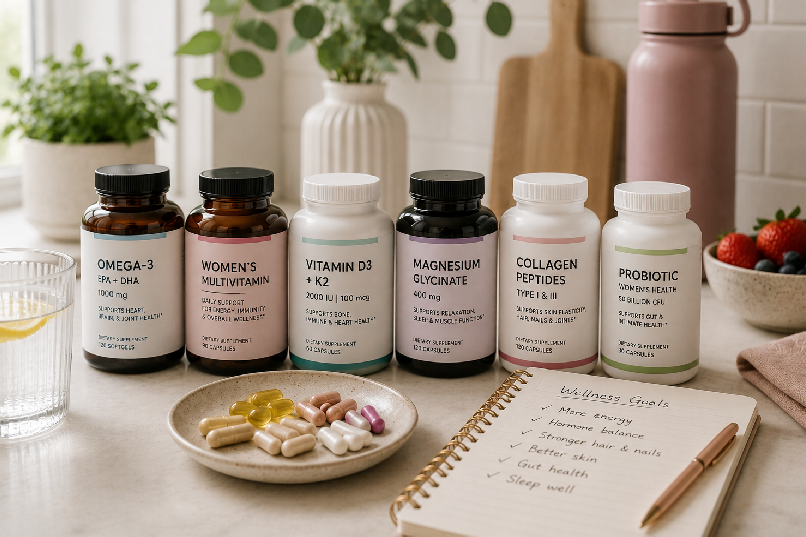
The supplement industry generates billions annually from products with variable evidence behind them, and the specific challenge for anyone trying to make good decisions in this category is that the marketing is sophisticated, the claims are legally required to be somewhat vague, and the products that have strong evidence look similar on a shelf to the ones that have minimal evidence.
This is not an argument against supplements. Several supplements have genuine, well-documented effects in specific populations and specific deficiency contexts. The argument is for being specific about which ones those are and skeptical about the rest. A well-designed supplement that addresses a genuine deficiency produces measurable results. A well-marketed supplement that addresses a need you don’t have produces, at best, expensive urine.
Products

Balance of Nature produces whole food supplements — the actual fruits and vegetables dehydrated and concentrated — rather than isolated nutrient extracts. The specific case for this approach is that whole food complexity — the combination of vitamins, minerals, phytonutrients, fiber, and other compounds in actual food — may produce different effects than isolated nutrients, and the current evidence base for whole food supplementation is building. The Balance of Nature approach is not a replacement for actual fruits and vegetables but a supplement to dietary intake when consistent dietary variety is difficult to maintain.
- Available at: Balance of Nature (balanceofnature.com)
- Best for: Those who know their diet lacks consistent fruit and vegetable variety and want a whole food approach to supplementation rather than isolated nutrients
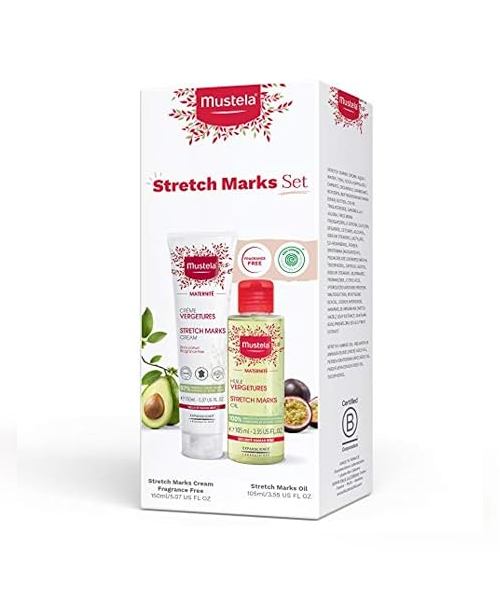
Mustela extends their maternity care expertise to postnatal supplementation — the specific nutritional needs of the postpartum period, including the demands of breastfeeding, are significantly different from general supplementation and are frequently under-addressed in standard prenatal vitamins that are marketed as continuing through the postnatal period. The Mustela postnatal formula addresses the specific nutrient requirements of the postpartum period.
- Available at: Mustela (mustela.com), Target, Amazon
- Best for: Postpartum and breastfeeding women who need supplementation specifically formulated for postnatal rather than just continuing prenatal vitamins

Evereden’s clean formulation approach extends to supplements with a women’s multivitamin that covers the commonly deficient nutrients in women’s health — iron (the most common deficiency in premenopausal women), vitamin D (deficient in a significant proportion of the population in less sunny climates), B12, folate, magnesium, and zinc — in a form that’s bioavailable enough to actually absorb rather than the less bioavailable forms that some cheaper multivitamins use.
- Available at: Evereden (evereden.com)
- Best for: Women who want a well-formulated daily multivitamin covering the most common deficiencies in bioavailable forms — the foundation supplement that addresses nutritional gaps before specific supplementation
The Supplements With Genuine Evidence for Most Women
The honest list of supplements with the clearest evidence for most women is shorter than the supplement market’s range would suggest.
Vitamin D is deficient in a significant proportion of the population in most countries outside the sunniest climates — estimates of deficiency rates in the UK and northern US range from 30–70% of the population depending on the season and definition used. The evidence for supplementation in deficient individuals is consistent and substantial, covering bone density, immune function, mood, and a range of other outcomes. Testing through a GP or at-home test kit is the right first step; supplementing at appropriate levels for the confirmed deficiency is the second.
Iron deficiency is the most common nutritional deficiency in premenopausal women globally, and the energy, cognitive, and immune effects of iron deficiency anemia and subclinical deficiency are well-documented. Testing serum ferritin rather than hemoglobin alone gives the most complete picture of iron status; supplementation should follow testing rather than assumption.
Magnesium is involved in over 300 enzymatic reactions in the body and is genuinely difficult to get at adequate levels from diet alone in the modern food environment. Sleep quality, muscle function, stress response, and numerous other functions are affected by magnesium status. The forms that absorb well are magnesium glycinate and magnesium malate; magnesium oxide (the most common form in cheap supplements) absorbs poorly.
Omega-3 fatty acids have the most consistent evidence base of any supplement category across inflammation, cardiovascular health, and brain function. For those who don’t eat fatty fish two or three times per week, supplementation with fish oil or algae-based omega-3 (the plant-based source that fish themselves get it from) addresses this gap.
What Most Women Don't Need to Supplement
The supplements most heavily marketed to women that have the weakest evidence for most people: collagen supplements (the collagen you eat is digested into amino acids and used throughout the body, not preferentially in skin); detox supplements in any form (the liver and kidneys handle detoxification without supplementary support in healthy individuals); most proprietary blends where the specific ingredient concentrations aren’t disclosed; and supplements targeting specific outcomes without specifying the population for whom the evidence exists.
Conclusion
Supplements worth buying for women are those that address documented deficiencies or that have genuine evidence for specific populations. Vitamin D, iron, magnesium, and omega-3s are the supplements with the strongest general evidence for common deficiencies in women, and the right approach is testing before supplementing rather than assuming. Balance of Nature provides a whole food supplementation approach for those who want broader nutritional coverage from food sources rather than isolated nutrients. Mustela’s postnatal supplement addresses the specific needs of the postpartum period. Evereden’s women’s multivitamin covers common deficiencies in bioavailable forms. And True Botanicals’ skin supplement uses evidence-backed ingredients in a format designed to complement topical skincare. Test first, supplement specifically, and be appropriately skeptical of any supplement claiming to do something dramatically different from what food and lifestyle interventions can achieve.

