
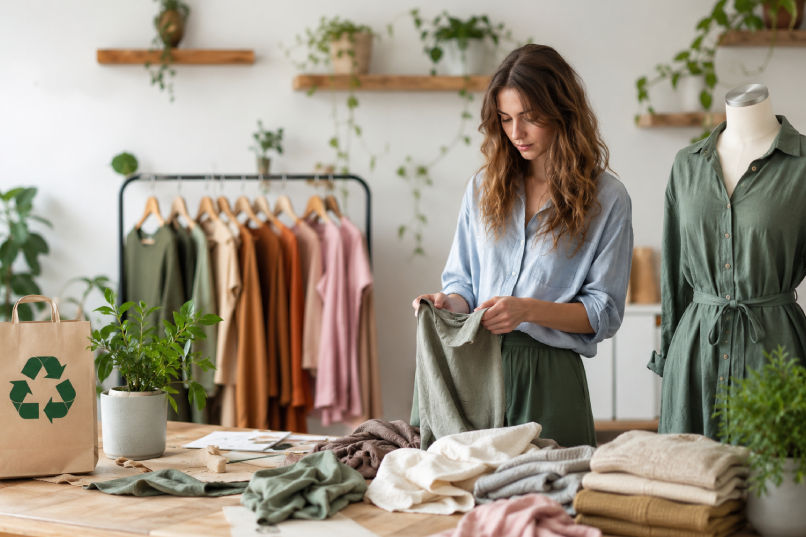
Sustainable fashion is the category most aggressively greenwashed in retail. The “conscious collection” that represents 2% of a fast-fashion brand’s output. The “recycled material” headline that refers to the polyester in the label rather than the garment. The carbon-neutral claim that involves offsetting rather than reducing. The language of sustainability has been adopted so broadly and so loosely that it has become almost meaningless as a purchase signal.
What actually makes a fashion brand sustainable is specific, verifiable, and less common than the marketing suggests. Here is the honest guide to brands whose sustainability credentials are backed by specifics rather than language.
What Genuine Sustainability Looks Like In Fashion
Production transparency — the ability to identify the specific farms, mills, and factories involved in making a garment, and to verify the conditions and environmental standards at each point. Not “ethically sourced” with no further detail — the specific supply chain documented and verifiable.
Material choices with documentation — organic certification numbers, Oeko-Tex certification, Bluesign approval, Woolmark certification. Not “natural materials” — the specific certification from an independent body that verifies the claim.
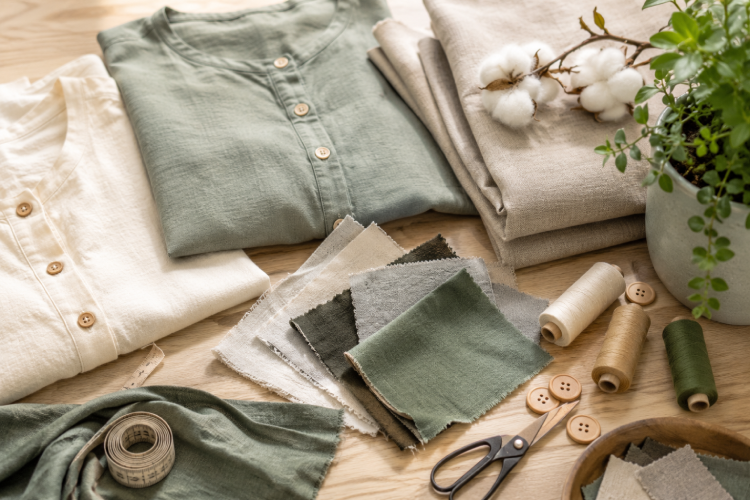
Longevity over trend — sustainable fashion design is not trend-dependent, because trend-dependent design encourages replacement rather than longevity. The garment designed to be worn for five years rather than one season is more sustainable by definition than the fashionable garment that’s outdated before it’s worn out.
The Best Sustainable Fashion Brands Worth Buying
Patagonia — The Reference Standard
Available at: Patagonia (patagonia.com), REI, outdoor retailers
Best for: Those who want outdoor and casual clothing from the brand with the most rigorous and genuinely verified sustainability standards in fashion.
Patagonia’s supply chain transparency is the most thorough in the accessible fashion market — every material in every product is documented on their website with the specific certifications, farm sources, and mill locations. The Worn Wear programme (repairs, resale, recycling) backs their sustainability claims with operational reality rather than simply language.
The products themselves are designed for longevity above trend — the Patagonia fleece worn in 2010 is still being worn in 2026 because the design is functional rather than fashionable. The Ironclad Guarantee (they’ll repair, replace, or refund anything that fails to perform) further demonstrates commitment to longevity over replacement.
Veja — Sustainable Footwear Done Genuinely
Available at: Veja (veja-store.com), ASOS, Selfridges
Best for: Those who want sustainable sneakers from the brand that has most genuinely documented its supply chain.
Veja documents its supply chain with specifics: the Brazilian rubber cooperatives, the organic cotton certification numbers, the fair-trade leather tanneries. The documentation is available and verifiable. The brand doesn’t use advertising — the marketing budget is spent on supply chain investment. The result is a brand whose sustainability claims are substantiated rather than decorative.

Arket — Transparency In The Mid-Market
Available at: Arket (arket.com), in stores
Best for: Those who want mid-market accessible fashion with genuine supply chain transparency.
Arket publishes the factory locations and certifications for every product on their website — the specific transparency that fast-fashion brands resist. The design philosophy is classic rather than trend-dependent, the quality is above the H&M main line, and the sustainability reporting is specific rather than aspirational.
Eileen Fisher — Circular Fashion In Practice
Available at: Eileen Fisher (eileenfisher.com), Nordstrom, in stores
Best for: Those who want to buy from a brand whose circular fashion model is operational rather than theoretical.
Eileen Fisher’s Renew programme takes back worn Eileen Fisher garments, repairs and resells them, and recycles materials that can’t be repaired. This circular model is operational — the Renew items are available for purchase through their website, the volume of returned and renewed garments is published annually. The fashion is deliberately classic and long-lasting, designed to be returned and renewed rather than discarded.
Quince — Quality At Accessible Prices Reducing Fast Fashion Cycles
Available at: Quince (onequince.com)
Best for: Those who want to reduce fast fashion consumption by buying genuine quality at prices that make fast fashion economically unnecessary.
Quince’s specific sustainability contribution is reducing the economic incentive for fast fashion consumption by providing genuine quality — real cashmere, real silk, real merino — at prices that compete with fast fashion alternatives. A $50 cashmere sweater that lasts five years is genuinely more sustainable than a $15 acrylic alternative replaced annually. Quince makes the sustainable choice the economically obvious choice, which is the most pragmatic sustainability intervention available.
Girlfriend Collective — Sustainable Activewear
Available at: Girlfriend Collective (girlfriendcollective.com)
Best for: Those who want activewear made from recycled materials with verified sustainability credentials.
Girlfriend Collective makes activewear from recycled plastic bottles with specific recycling volume documentation — each pair of leggings lists the number of bottles used in production. The Oeko-Tex certification verifies the safety of the dyes. The production partners are documented. For those who want sustainable activewear rather than simply activewear from a brand that uses sustainability language, Girlfriend Collective is the verified option.
Conclusion
Genuine sustainable fashion is identifiable by specifics rather than language — supply chain documentation, independent certification, operational circular programmes, and design for longevity rather than trend. Patagonia for the reference standard in outdoor and casual clothing. Veja for genuinely documented sustainable footwear. Arket for mid-market transparency. Eileen Fisher for operational circular fashion. Quince for making quality accessible enough that fast fashion becomes economically unnecessary. And Girlfriend Collective for verified sustainable activewear. When a brand claims sustainability without being able to provide specifics, the claim is worth treating with appropriate scepticism.

