
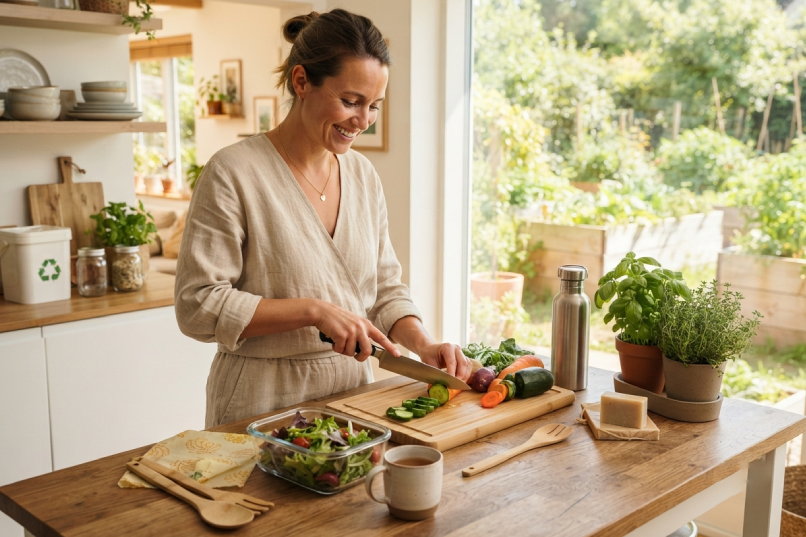
Sustainable living products occupy the same marketing challenge as clean beauty — the genuine products exist alongside the greenwashed alternatives in a category where the claims are difficult to verify and the consumer motivation is strong enough to make false claims commercially viable. The reusable coffee cup that’s genuinely used daily reduces environmental impact. The reusable coffee cup that’s used twice and stored in a cupboard full of similar cups doesn’t.
The sustainable products worth buying are those that produce genuine environmental impact reduction through consistent use rather than those that satisfy the desire to live sustainably without requiring behavioural change. The distinction matters because the specific impact of a product is determined by whether and how consistently it’s used.
The Sustainable Living Products Worth Buying
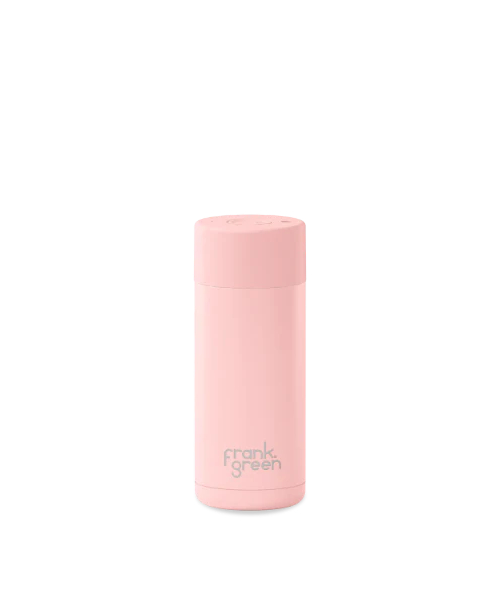
Available at: Frank Green (frankgreen.com), John Lewis, urban coffee shops
Best for: Those who buy a coffee on the way to work or on the weekend and want to eliminate the daily disposable cup.
The environmental case for the reusable coffee cup is genuine — the paper cup that’s technically “recyclable” is in practice usually not recycled because of the polyethylene lining that requires separation from the paper. A reusable cup used daily for one year eliminates 250+ single-use cups from the waste stream.
Frank Green’s ceramic-lined cup is the specific recommendation because the ceramic interior doesn’t retain flavour from previous drinks in the way that plastic and stainless steel can — the coffee tastes like coffee, not like yesterday’s tea. The lid mechanism is genuinely leak-proof (a quality most reusable cups claim and fewer deliver) and the design is considered enough to carry without the aesthetic discomfort of obviously-environmentally-conscious kit.
The cup earns its £28–35 price through the specific arithmetic: most UK coffee shops offer a 25–50p discount for reusable cups. At 25p discount per day, the cup pays for itself in 112 uses. Used daily, that’s less than four months.
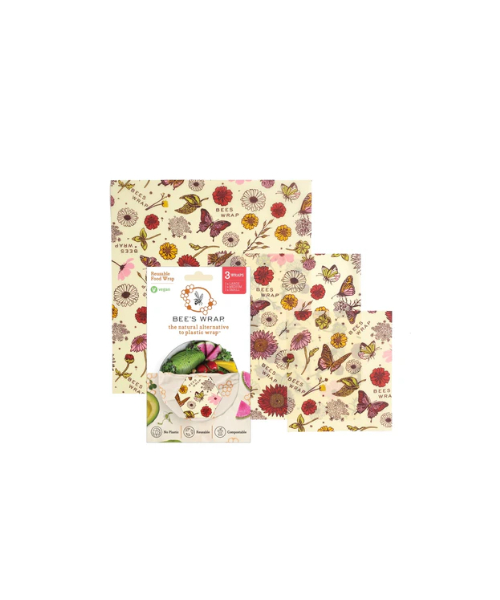
Available at: Beeswax Wrap Co (beeswaxwrap.co.uk), Amazon, independent retailers, health food shops
Best for: Those who use cling film for food storage and want to eliminate most of that use with a reusable, compostable alternative.
Beeswax wraps use organic cotton coated with beeswax, tree resin, and jojoba oil to create a mouldable, water-resistant wrap that clings to food and bowls using hand warmth. They work for covering bowls, wrapping cheese and cut vegetables, and covering the leftover half of a cucumber — the applications that most of the daily cling film use covers.
They don’t work for raw meat (food safety) or for wrapping liquids. Within their appropriate applications, they replace the majority of household cling film use. They last one to three years with appropriate care (cool water washing only — heat melts the beeswax) and are compostable at end of life.
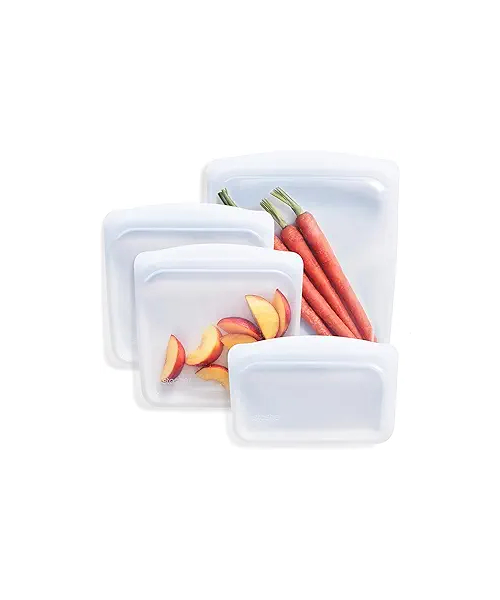
Available at: Stasher (stasherbag.com), Amazon, Ocado, John Lewis
Best for: Those who use disposable zip-lock bags for food storage and want a reusable silicone alternative.
Stasher’s platinum silicone bags are the specific reusable alternative to single-use zip-lock bags — they’re food safe, dishwasher safe, microwave safe, freezer safe, and oven safe at temperatures to 204°C. The pinch-lock seal is genuinely airtight, making them appropriate for the full range of food storage applications that zip-lock bags cover.
The investment is higher per bag than a box of disposable alternatives — a Stasher bag at £12 versus a 50-pack of zip-locks at £3 — but a Stasher bag used daily for three years against 50 disposable bags replaced multiple times over the same period produces both financial and environmental return.
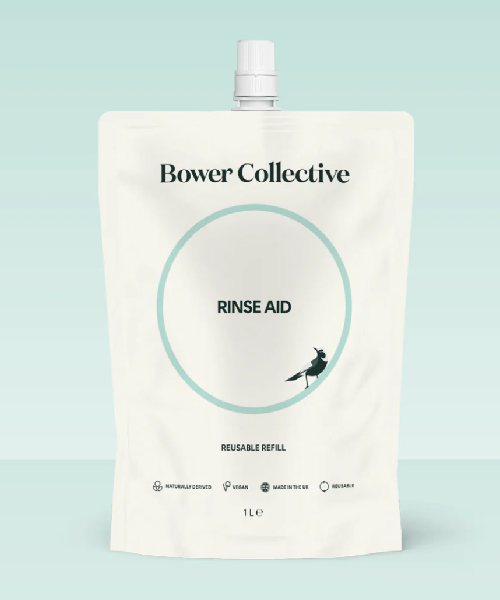
Available at: Bower Collective (bowercollective.com)
Best for: Those who want to eliminate the plastic bottle waste from household cleaning products.
Bower Collective supplies concentrated cleaning product refills in compostable or recyclable packaging — the concentrate is diluted with water in a reusable glass bottle (supplied on first order) at the point of use. The environmental arithmetic: one refill pod replaces one plastic cleaning product bottle, and the pod’s packaging is compostable. Used across all household cleaning products, the plastic bottle elimination is significant.
The cleaning performance is equivalent to conventional alternatives — concentrated formulas are typically more effective than pre-diluted products because the active ingredient concentration is higher before dilution.
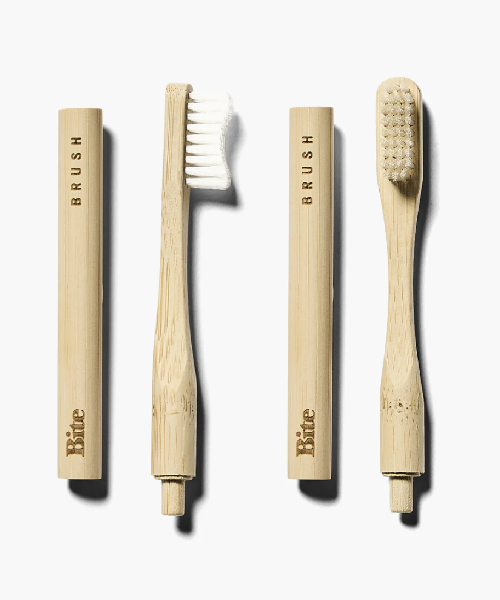
Available at: Amazon, health food stores, supermarkets increasingly
Best for: Those who want to eliminate the plastic from one daily personal care item that’s used and discarded every three months.
A toothbrush used every day for three months produces one piece of plastic waste that takes approximately 400 years to degrade. Switching to a bamboo toothbrush (the bristles are still nylon in most options — fully biodegradable bristles are available but less effective) eliminates the handle from the waste stream while maintaining equivalent cleaning performance.
The bamboo toothbrush is the sustainable product recommendation with the lowest behaviour change requirement — same use, same technique, same result, less permanent waste.
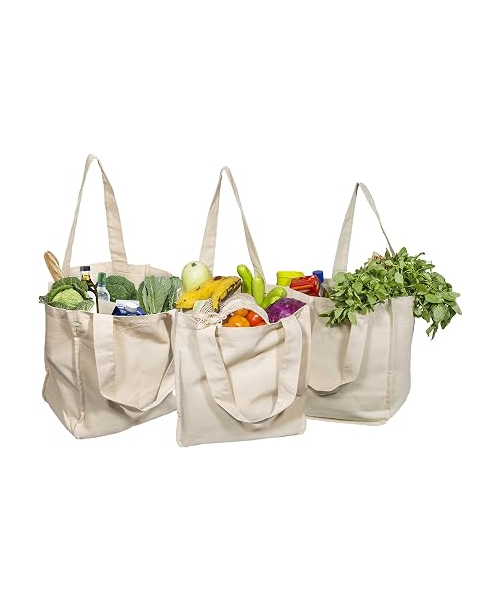
Available at: Any supermarket, Amazon, lifestyle retailers
Best for: Those who accumulate plastic carrier bags (or pay for them repeatedly) and want a reliable, washable reusable alternative.
The reusable cotton shopping bag is the sustainable product most often owned in excess and used inconsistently — the collection of bags that don’t make it from the car to the shop. The solution is habit rather than more bags: two bags in the car at all times, one bag in the everyday bag or backpack at all times. The bags that are where you are when you need them are the bags that replace single-use carrier bags.
The organic cotton specification matters for sustainability — conventional cotton production is water and pesticide intensive, and the bag that requires significant resource input to produce earns its environmental benefit most clearly when used consistently for years.
Conclusion
Sustainable living products produce genuine environmental impact reduction through consistent use rather than through purchase alone. Frank Green ceramic cup for the daily coffee trip. Beeswax wraps for the food storage that cling film currently covers. Stasher bags for the food storage that zip-locks currently handle. Bower Collective for eliminating plastic cleaning product bottles. Bamboo toothbrush for the daily plastic elimination with zero behaviour change. And reusable shopping bags used consistently through habit rather than accumulated as aspirational kit. Whatever you buy — buy one thing and use it consistently rather than buying the full sustainable lifestyle kit and using it occasionally. The impact is in the consistent use.

