
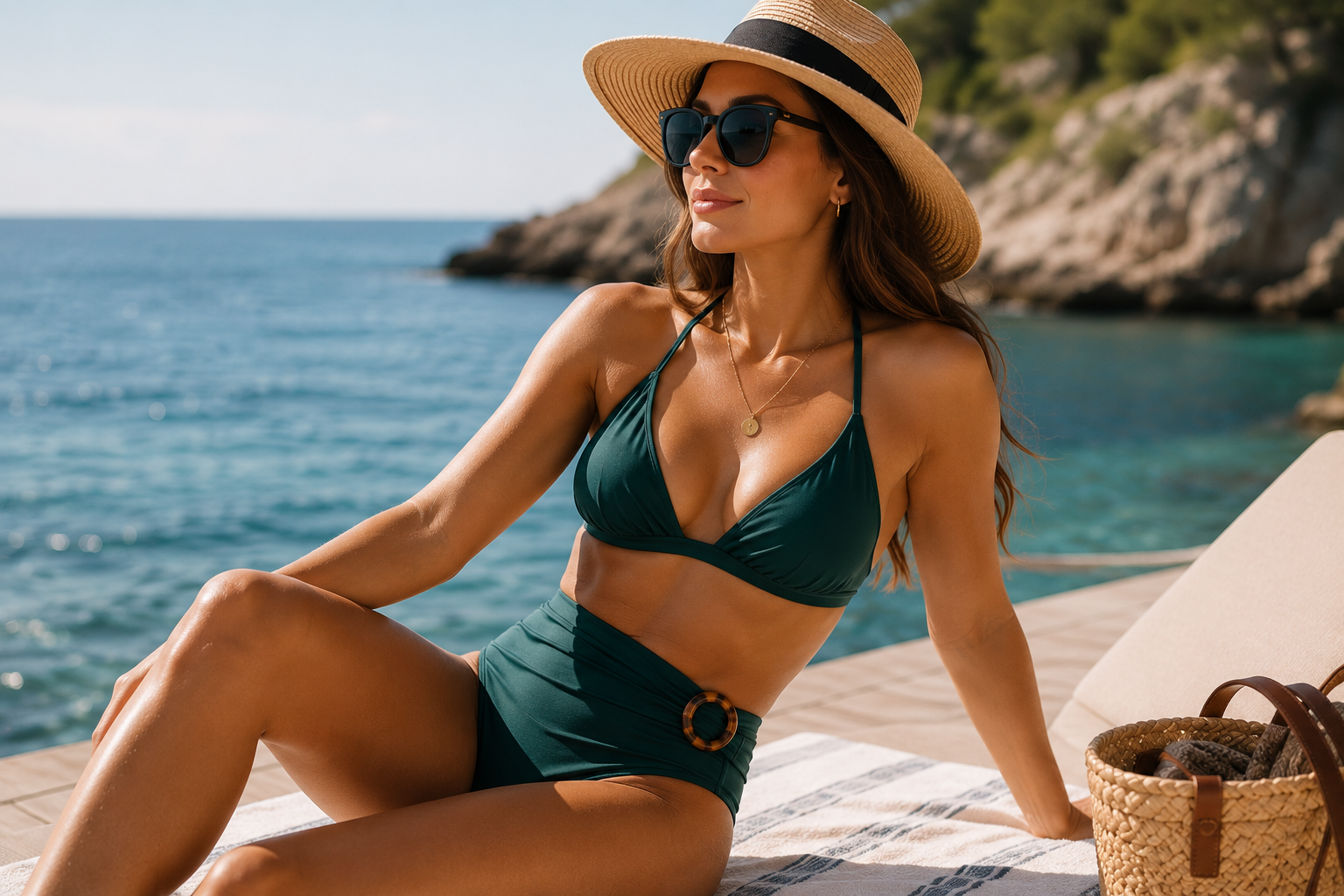
Swimwear buying is one of the experiences that makes shopping difficult in a way that’s disproportionate to the relative simplicity of what you’re looking for. You need a swimsuit. You need it to fit. You need it to not fall apart after four weeks of chlorine and sun. These requirements are not unreasonable. And yet the combination of changing room lighting, confusing sizing, and the specific vulnerability of swimwear shopping makes it one of the most fraught fashion purchases most women make annually.
What I’ve found after many seasons of figuring this out: the fit question is less about what size you are and more about finding the specific cut and construction that works with your specific body, and the quality question is almost entirely about fabric composition. Chlorine-resistant fabric holds its shape and color. Standard lycra breaks down with repeated pool exposure in ways that show up as stretched waistbands, faded color, and fabric that bags rather than holds. The two pieces of information — what cut and what fabric — do most of the work of finding a swimsuit worth buying.
Products
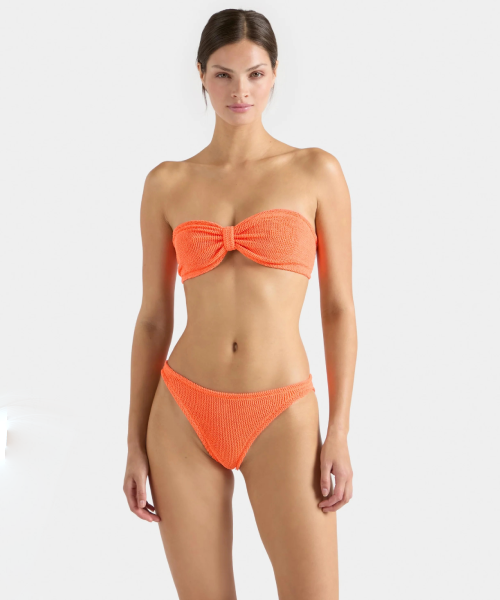
The Hunza G crinkle fabric is one of those materials that exists to solve a specific problem — the swimwear sizing problem. Because the fabric stretches dramatically in all directions, Hunza G produces swimwear in one universal size that fits a genuinely wide range of bodies. The crinkle texture also means the suit arrives looking exactly as it did when you bought it after years of wearing and washing, because the pre-existing texture masks the minor distortions that use creates.
- Price: $175–$250
- Available at: Hunza G (hunzag.com), Net-a-Porter, ASOS
- Best for: Those who want a swimsuit that genuinely fits without the trial and error of standard sizing, and that will look the same in year three as it did when bought
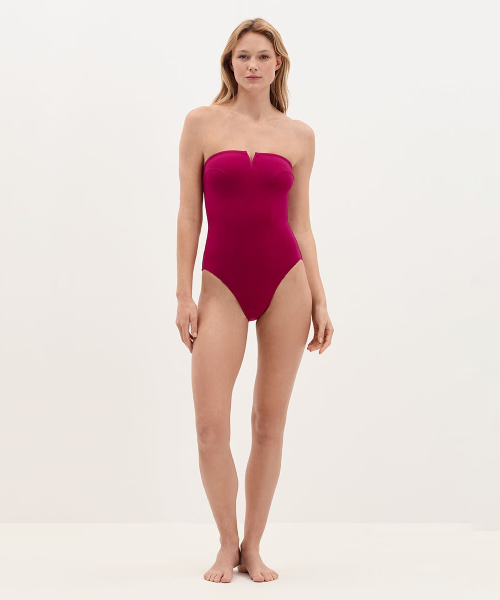
Eres is the French swimwear brand that’s been producing technically exceptional swimwear for decades and has the fit and fabric credentials to justify the price. The Aqua one-piece is chlorine-resistant, UV-stabilized, and cut with the kind of structural understanding of how a swimsuit needs to support and fit different bodies that takes decades of specialization to develop.
- Price: $295
- Available at: Eres (eresparis.com), Net-a-Porter, Selfridges
- Best for: The investment swimsuit that fits correctly, holds up through years of pool and beach use, and never needs replacing because it’s designed for longevity
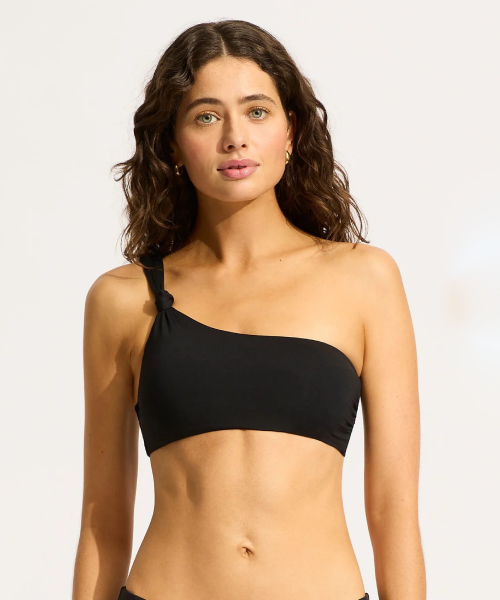
Seafolly is the Australian swimwear brand that produces genuinely well-made, well-fitting swimwear at an accessible price point. The fabric quality is above most fast fashion swimwear and the sizing is more consistent and more accommodating than many brands at this price. The one-shoulder style is the most photographed but the whole range is worth knowing about.
- Price: $89–$120
- Available at: Seafolly (seafolly.com), ASOS, Nordstrom
- Best for: Well-made swimwear at an accessible price with genuine fabric quality above the fast fashion tier
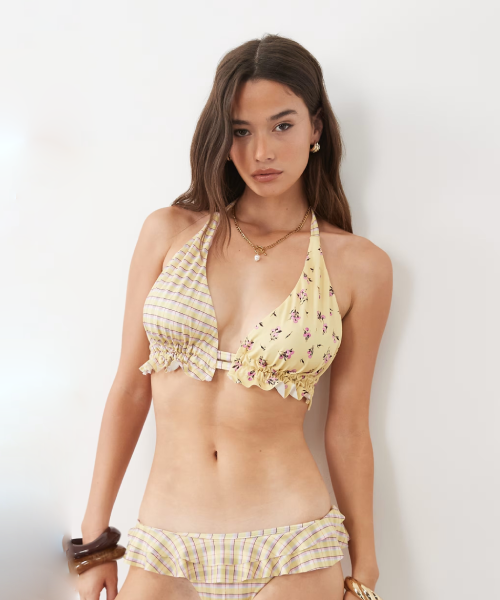
For the purely seasonal purchase — the suit you want for one holiday and don’t need to still be wearing in year three — ASOS produces swimwear at accessible prices with better design than you’d expect from the price point. The sizing accuracy and the return process are both strong enough that buying online is reasonable.
- Price: $30–$60
- Available at: ASOS (asos.com)
- Best for: The seasonal or holiday swimsuit purchase where one-to-two season lifespan is an acceptable outcome at an accessible price
The Fit Problem and How to Actually Solve It
Swimwear sizing is genuinely more complicated than clothing sizing because a swimsuit needs to fit correctly in multiple places simultaneously — bust, waist, hip, and seat — and unlike clothing, it can’t be layered or adjusted to manage a fit that isn’t quite right. The standard response to this is to buy online with a lenient return policy and try several sizes and styles, which works but takes time and energy most people would prefer not to spend.
The more useful approach is to understand which specific fitting issues you typically encounter with swimwear and then look for the construction details that address those issues. If bust support is the primary concern, underwired swimsuits or ones with internal structure solve this more reliably than underwired bikini tops, which vary significantly in how well the wire sits. If the hip and seat fit is the issue — which is often because bust and hip sizes don’t correspond to the same “size” in most swimwear sizing — separates that allow sizing the top and bottom independently are the structural solution. If you’ve never found swimwear that feels genuinely comfortable and supportive, it’s almost always a structural construction issue with the suits you’ve been buying rather than a body issue.
Fabric Quality in Swimwear — What Actually Matters
The single most important thing about swimwear fabric is whether it’s chlorine-resistant if you’re going to be in a pool, or UV-stabilized if you’re going to be in significant sun. Standard lycra and spandex breaks down with repeated exposure to chlorine — not immediately, but progressively, starting with the elastic losing its recovery and ending with the fabric sagging and losing its color. A chlorine-resistant fabric — usually labeled as such or identified by a significantly higher percentage of fabric content beyond standard spandex — lasts multiple seasons of pool use compared to multiple weeks or months.
For beach-only use, UV resistance is the relevant variable. UV exposure without chlorine causes different damage — primarily fading and structural weakening of the fibers rather than elastic failure. UV-stabilized dyes and UV-resistant fabric construction maintain the color and structure of a swimsuit through a full summer of sun exposure in a way that cheaper swimwear doesn’t.
The Eres Aqua is both chlorine-resistant and UV-stabilized, which is why it lasts multiple years of heavy use at the investment price point. The Hunza G crinkle fabric is inherently resistant to the visual degradation that use creates because the pre-existing texture masks it — a different solution to the same longevity question. Seafolly uses quality fabric construction that’s above the fast fashion tier, which extends the lifespan appropriately for the price. And ASOS is honestly neither of these things, which is why the seasonal expectation is accurate.
One-Piece vs Two-Piece
The one-piece versus two-piece decision is primarily about what you want from the swimwear — coverage and simplicity on one hand, adjustability and variety on the other. The one-piece does more of the fitting work itself because the construction needs to create a complete, cohesive fit. The two-piece allows sizing top and bottom independently, which is the specific advantage for bodies where a standard one-piece size doesn’t distribute between bust and hip correctly.
Both have their place in a swimwear wardrobe. The one-piece is the more practical beach or pool option — it stays where it’s put, requires less adjustment during water activities, and photographs well in a clean, graphic way. The bikini offers more flexibility in terms of how you configure the coverage and fit, and the separates advantage makes it the more practical option for anyone whose measurements don’t correspond to standard one-piece sizing.
What to Actually Buy
If you’re building a swimwear wardrobe rather than replacing a single piece, the combination that makes most sense is a one reliable one-piece for practical water activities — pool, active beach days, anything involving significant movement in the water — and one or two bikini options for purely recreational beach time. The investment in quality one-piece construction is worthwhile because it’s the suit that needs to do the most structural work. The bikini allows more experimentation with price and trend because the components are smaller and individually more replaceable.
Conclusion
Swimwear worth buying is swimwear chosen with clarity about what it’s going to be used for and what fabric quality that use actually requires. Hunza G solves the sizing problem with a material so stretchy that standard sizing becomes irrelevant, and produces suits that look the same for years because the crinkle texture hides what use does to fabric. Eres produces technically exceptional chlorine-resistant, UV-stabilized swimwear for those who want one suit that lasts indefinitely. Seafolly delivers genuine fabric quality above the fast fashion tier at accessible prices for the swimwear budget that’s not ready for an investment piece. And ASOS handles the seasonal swimwear purchase at prices that make one-to-two season expectations feel appropriate. Choose the right level for the use, buy in the fabric that matches the actual conditions, and the swimwear will hold up the way it should.

