

Tech gadgets are the category where the novelty premium is highest and the sustained-use rate is lowest. The device that’s used enthusiastically for two weeks and then occupies shelf space. The smart home integration that sounded compelling and required too much maintenance to sustain. The wearable that charged daily for a month and then sat in a drawer.
The tech gadgets worth buying are those that produce genuine daily improvement to a specific part of life rather than those that are impressive in specification or concept. The test: used daily after six months means the gadget earned its place. Used occasionally after six months means it was bought for novelty rather than utility.
The Best Tech Gadgets Worth Buying
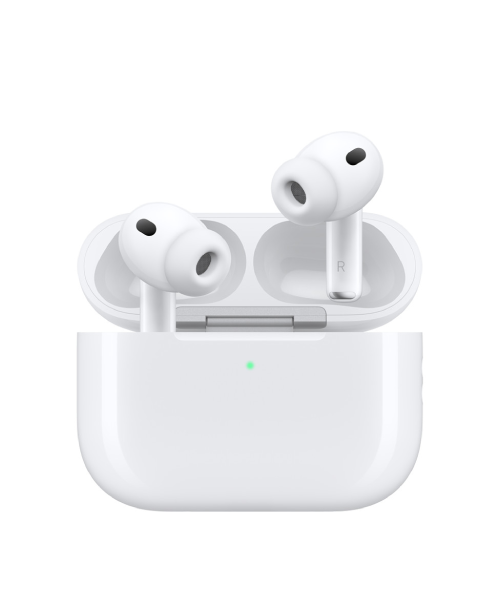
Available at: Apple (apple.com), John Lewis, Currys, Amazon
Best for: iPhone users who use headphones daily and want the best balance of audio quality, noise cancellation, and Apple ecosystem integration.
The AirPods Pro are the specific wireless earphone recommendation for iPhone users because the Apple ecosystem integration — seamless device switching between iPhone, iPad, and Mac; Siri integration; automatic ear detection — produces a daily use experience that third-party alternatives, regardless of audio quality, don’t replicate. The H2 chip-driven adaptive transparency mode (allowing environmental sound through selectively) and the active noise cancellation are the two features that make the AirPods Pro more than an audio device.
The specific daily use cases that produce consistent value: commute noise cancellation, focus work noise reduction, and hands-free phone calls where the microphone quality (significantly above most wireless earphones at the price) produces calls that are intelligible rather than challenging for both parties.
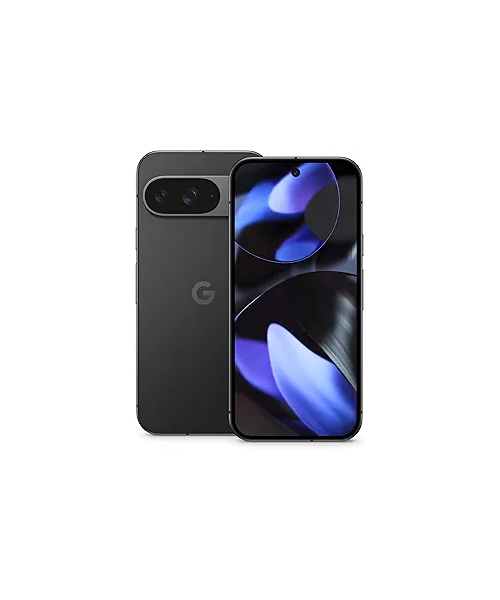
Available at: Google (store.google.com), Currys, Amazon, mobile networks
Best for: Those who prioritise camera quality and pure Android experience over brand ecosystem.
The Google Pixel camera system produces the most consistently impressive low-light and portrait photography of any consumer smartphone at the price — the computational photography that Google’s image processing pipeline produces is ahead of the hardware at the equivalent price tier from other manufacturers. For those who take a significant proportion of their photos in challenging conditions (indoor events, restaurants, evenings), the Pixel’s camera advantage is immediately apparent in the results.
The seven years of Android updates Google commits to with the Pixel 9 is also the specific commercial commitment that most clearly extends the smartphone’s useful life relative to manufacturers who support devices for three to four years.
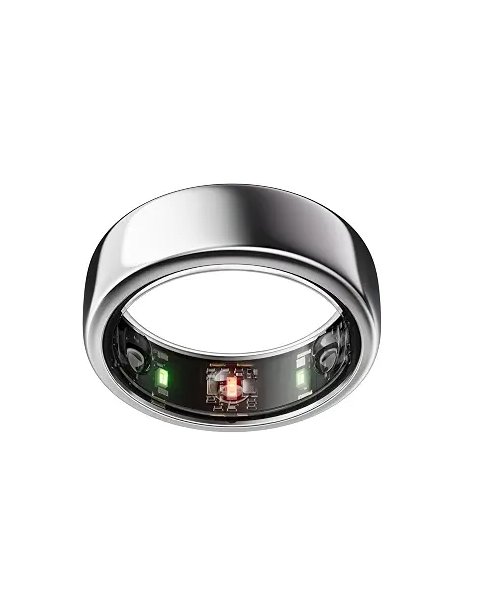
Available at: Oura (ouraring.com)
Best for: Those who want sleep and recovery tracking without the screen addiction potential of a smartwatch.
Already mentioned in the home & garden sleep content — the Oura Ring’s finger-based tracking produces more accurate heart rate and HRV readings than wrist-based alternatives, and the ring format removes the smartwatch screen that produces notification distraction during sleep-adjacent periods. The readiness score that synthesises sleep data into a daily training and recovery recommendation is the specific daily insight that changes behaviour in a way that raw sleep data doesn’t.
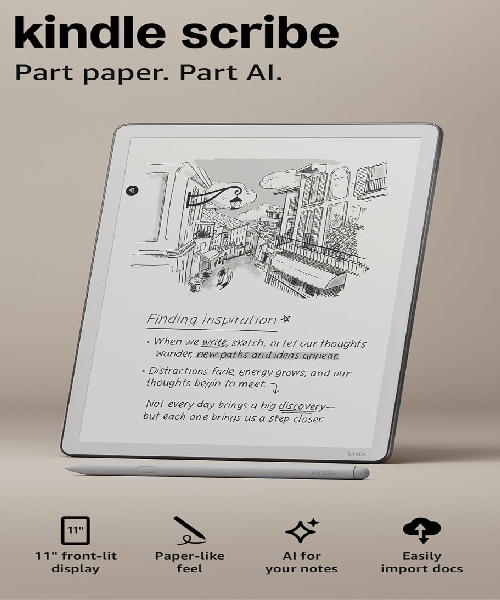
Available at: Amazon (amazon.co.uk), John Lewis
Best for: Those who read and annotate heavily and want a large-format e-ink device that handles both.
The Kindle Scribe is the large-format (10.2-inch) e-ink device that adds handwriting capability — notes can be written directly on the page with the included stylus. For those who read with a pen in hand and whose marginal notes and highlighted passages are part of an active reading practice, the Scribe provides the digital equivalent without the eye strain of a backlit tablet.
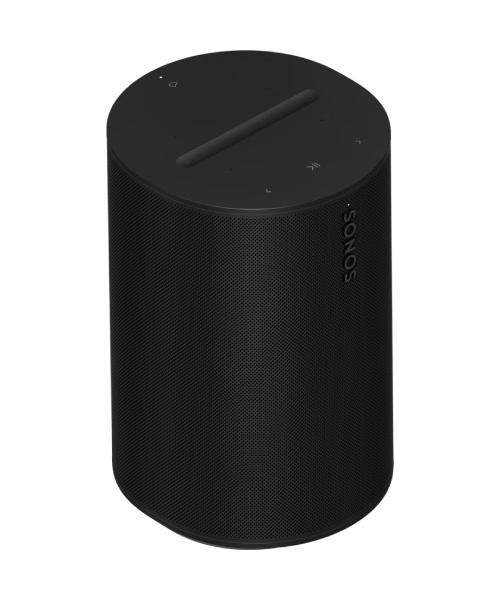
Available at: Sonos (sonos.com), John Lewis, Richer Sounds
Best for: Those who want quality wireless audio for rooms where wired speaker systems aren’t practical.
Sonos produces wireless speakers with audio quality above most portable Bluetooth alternatives and a multi-room audio system that allows the same music (or different music) in different rooms without separate systems. The Era 100 is the room-specific recommendation — a single speaker that provides stereo sound through angled drivers, adequate for most living rooms, bedrooms, and kitchen spaces without requiring a dedicated amplifier and speaker system.
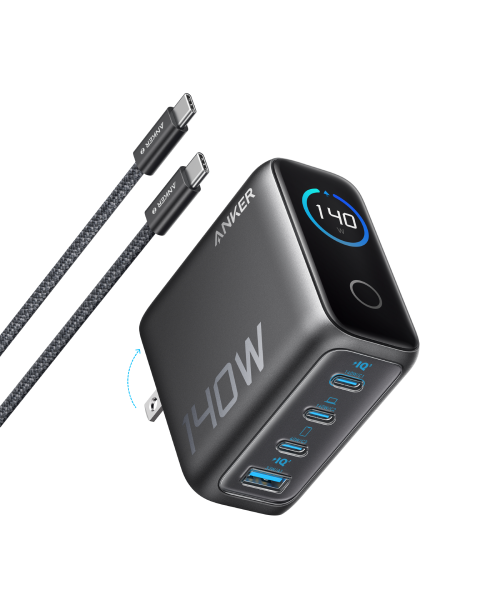
Available at: Anker (anker.com), Amazon
Best for: Those with multiple Apple or Android devices who want to replace multiple charging cables with a single organised station.
The charging station that consolidates multiple device charging onto a single surface with a single plug — the specific friction reduction of not searching for cables — is the tech gadget that earns its place through daily use rather than through impressive specification. Anker’s multi-device stations support simultaneous charging of a phone, tablet, watch, and earphone case in the specific configuration that most Apple or Android households require.
Conclusion
Tech gadgets earn their daily use through solving specific, genuine daily friction points. AirPods Pro for the iPhone user who commutes with headphones. Google Pixel 9 for camera quality as the primary smartphone consideration. Oura Ring for sleep and recovery tracking without smartwatch distraction. Kindle Scribe for the active reader who annotates. Sonos Era 100 for quality wireless room audio. And Anker charging station for cable management in a multi-device household. Whatever you buy — use the six-month test before the purchase if you can (do you currently perform some version of this activity daily?) and return anything that isn’t in daily use after three months.

