

Travel insurance is the purchase that most people make with the least thought and that produces the most significant financial consequences when the decision was wrong. The annual policy bought cheaply that excludes a specific activity or destination relevant to the trip. The single-trip policy with a medical excess higher than most treatment situations warrant. The policy that covers cancellation up to a value lower than the trip cost.
The honest guide to travel insurance is not about the cheapest option or the most comprehensive option — it’s about understanding what the specific trips you take require and ensuring the policy you buy covers those requirements without gaps that will matter precisely when the insurance needs to be used.
What Travel Insurance Must Cover
Medical and emergency evacuation. The most important cover in any travel insurance policy. Medical costs in the United States, for example, can reach tens of thousands of pounds for emergency treatment — the uninsured traveller who requires emergency medical treatment in the US faces costs that are genuinely financially devastating for most people. The minimum medical cover for US travel is typically £1–2 million; for Europe, £1 million is standard and sufficient.
Emergency evacuation — the cost of medical transport home when treatment is not available locally — is the cover that most travellers don’t think about and that produces the highest costs when required. Remote destinations, adventure travel, and travel in developing countries with limited medical infrastructure make this cover particularly important.
Cancellation and curtailment. The cover that protects the trip cost if the trip can’t be taken or needs to be cut short due to illness, family emergency, or other covered reasons. The policy should cover the full cost of the trip, not simply a capped amount below the total spend.
Baggage and personal possessions. The cover that applies when checked baggage is lost, delayed, or damaged. Limits per item and overall limits vary significantly between policies. The policy that covers electronics — cameras, laptops — at their replacement value rather than a per-item cap is the policy worth paying more for if these items travel regularly.
What is specifically excluded. Pre-existing medical conditions require declaration and typically require additional premium or are excluded. Adventure activities — skiing, surfing, rock climbing, diving — require specific activity cover that standard policies don’t automatically include. The policy that’s read and understood before travel rather than after the claim arises is the policy that produces the expected outcome when needed.
The Best Travel Insurance Options

Available at: Staysure (staysure.co.uk)
Best for: Those over 50 or those with declared pre-existing medical conditions who want a specialist provider with genuine medical condition coverage.
Staysure is the specialist travel insurance recommendation for those with pre-existing medical conditions — the provider that most consistently provides genuine cover rather than exclusions that effectively render the policy unusable. The annual multi-trip policy that covers declared conditions without the policy excess that makes claiming financially pointless for many situations is the policy worth paying more for if medical conditions make standard policies inadequate.
The specific Staysure advantage: the telephone-based medical declaration process allows discussing specific conditions with a human rather than completing an automated form that may not accurately capture complex or multiple conditions. The resulting policy reflects the actual risk rather than a standardised approximation.

Available at: Admiral (admiral.com)
Best for: Those without significant pre-existing conditions who want comprehensive annual travel insurance at a genuinely competitive price.
Admiral’s annual travel insurance is the consistent recommendation for those without complex medical histories who travel three or more times per year — the annual policy that costs less than multiple single-trip policies and provides the cover required across most standard holiday destinations.
The specific policy features worth checking: the per-trip maximum duration (most Admiral annual policies cover trips up to 31 days; those who travel for longer periods need to check this specifically), the country coverage (worldwide including the US and Canada is a higher premium tier), and the medical excess level (a £100 excess is standard; a £0 excess is available at higher premium).
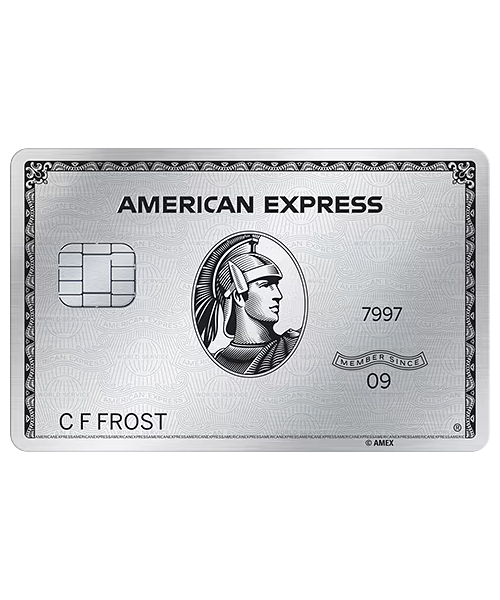
Available at: American Express (americanexpress.com)
Best for: Those who travel frequently and whose Amex Platinum benefits include travel insurance as part of a broader benefits package.
The American Express Platinum Card includes comprehensive travel insurance as one of its benefits — covering the cardholder and immediate family for travel booked on the card (or in some cases, simply for cardholders regardless of booking method). The cover is consistently rated as genuinely comprehensive for the categories that matter most: medical cover, trip cancellation, baggage.
The £650 annual fee produces significant sticker shock. The Amex Platinum’s full benefits package — lounge access, hotel status, travel credits, purchase protection — collectively returns more than the fee for those whose travel and lifestyle use the benefits. The travel insurance as a standalone comparison to the equivalent policy purchased separately typically saves £150–300 per year for frequent travellers.

Available at: Battleface (battleface.com)
Best for: Those whose travel involves activities excluded from standard policies — extreme sports, adventure travel, remote destinations.
Battleface is the specialist provider for the travel insurance gap that standard policies most commonly leave — adventure and extreme sports coverage in remote or unusual destinations. Skiing, surfing, rock climbing, diving, and similar activities require specific activity endorsement that standard policies exclude by default. Battleface’s modular approach allows building a policy that covers the specific activities the trip involves without paying for the full adventure sports package when only one or two activities are relevant.

Available at: GoCompare (gocompare.com), CompareTheMarket (comparethemarket.com)
Best for: Those who want to compare multiple travel insurance providers and policies in one place before buying.
The comparison sites are the starting point for travel insurance shopping rather than a specific policy recommendation — the tool that allows assessing multiple providers against the specific requirements of a specific trip. The comparison site that shows the policy details alongside the price is more useful than one that shows only price — the cheapest policy that excludes a relevant activity or destination is not a useful policy.
Common Travel Insurance Mistakes Worth Avoiding
Buying based on price alone. The cheapest policy typically has the highest excess, the lowest medical cover limit, and the most extensive exclusion list. The policy that saves £15 at purchase and has a £500 excess and £500,000 medical limit when the situation arises is not the saving it appeared.
Not declaring pre-existing conditions. A policy that’s invalidated because a pre-existing condition wasn’t declared is no protection at all — and the insurers that assess claims specifically look for undeclared conditions as grounds for rejection. The honest declaration that increases the premium is always more valuable than the undeclared condition that invalidates the policy when needed.
Assuming the policy covers everything. Every travel insurance policy has exclusions. Reading the exclusions before purchasing — not before claiming — is the specific practice that prevents the shock of discovering the relevant situation is excluded.
Conclusion
Travel insurance earns its cost on the trips where it’s needed — which are the trips where the consequences of not having it are most severe. Staysure for those with pre-existing medical conditions who need genuine specialist coverage. Admiral for the value annual policy that covers standard travel needs without complexity. American Express Platinum for those whose broader travel lifestyle makes the card’s benefits package financially sensible. Battleface for adventure travel where standard policies exclude relevant activities. And comparison sites for assessing multiple options against specific requirements. Whatever you buy — read the exclusions before purchasing, declare all pre-existing conditions, and ensure the medical cover limit is appropriate for the destinations you’re visiting.

