
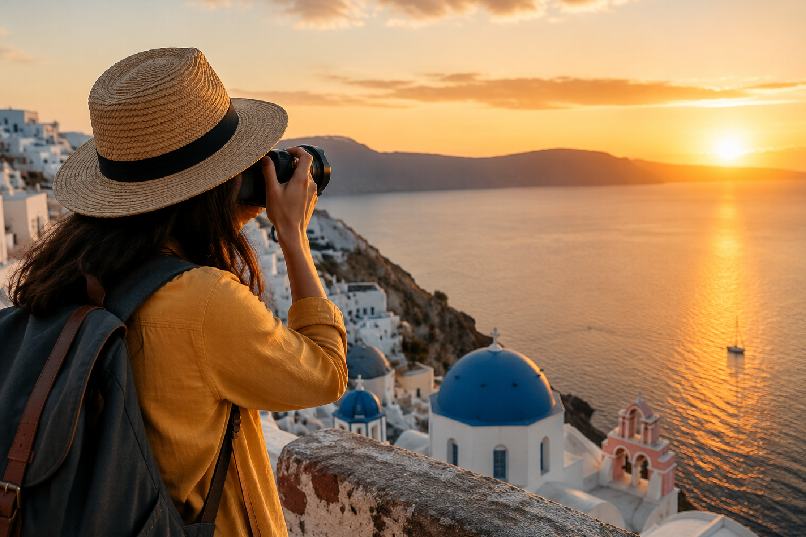
Travel photography is the documentation of experience — ideally, documentation that conveys something of what it felt like to be there rather than simply evidence that you went. The photograph of the Eiffel Tower that looks like every other photograph of the Eiffel Tower is documentation. The photograph of the street leading to the Eiffel Tower at a specific moment of light, with the specific human activity of that morning, is an image of a specific experience.
The tips below are those that produce the second type of photograph rather than the first.
The Approach That Changes Travel Photography
The landmark photograph is the starting point, not the destination. The famous view, the iconic building, the prescribed photograph — take it, then look for what’s around it, adjacent to it, or leading to it that no one else is photographing. The street vendors around the landmark, the back alley that reveals the scale of the building from an unexpected angle, the crowd itself as the subject rather than the obstacle between photographer and subject.
The best travel photographs are usually made in the two hours around sunrise and sunset. The quality of light in the early morning and the late afternoon — the specific direction, warmth, and softness that the low sun produces — transforms subjects that look ordinary in midday light into photographs that look extraordinary. The effort of rising early for the dawn light is the photography discipline with the highest return per action.
People make places. The landscape photograph that’s beautiful as a landscape is significantly more interesting with a single person in it — scale, context, and the human connection that the viewer makes with the person in the image all come from the inclusion of human presence. The travel photograph that captures a human moment in a specific place conveys the experience of being there in a way that the unpopulated landscape doesn’t.
The Best Travel Photography Products
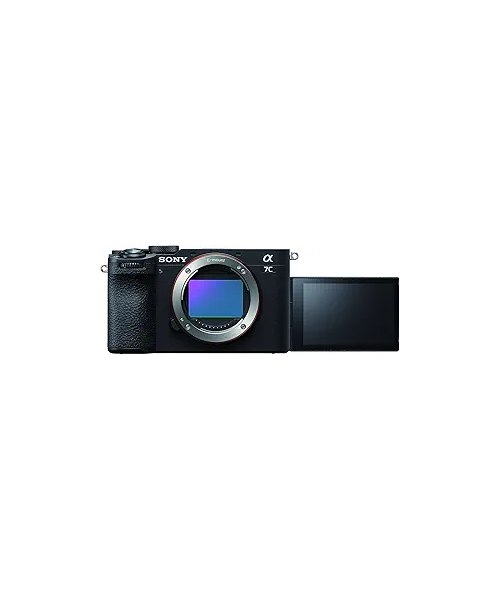
Available at: Sony (sony.co.uk), Amazon, specialist camera retailers
Best for: Serious photographers who want full-frame quality in the smallest available body for travel.
The Sony A7C II is the specific camera recommendation for photographers who want the image quality of a full-frame sensor in a body small enough to carry daily without the specific camera-as-burden decision that larger full-frame bodies produce. The full-frame sensor delivers the low-light performance, the depth of field control, and the dynamic range that distinguishes full-frame from crop-sensor alternatives.
For travel photography specifically, the difference between a camera carried everywhere and a camera occasionally carried produces more good photographs than any sensor quality improvement — the best camera is the camera you have with you, and the A7C II is the best camera you’re likely to have with you consistently.
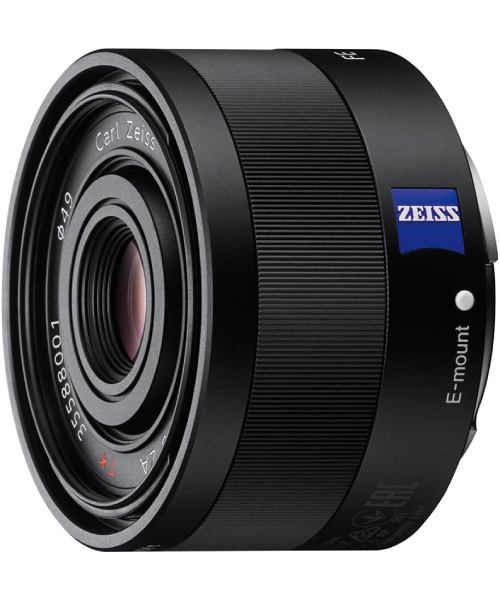
Available at: Sony (sony.co.uk), Amazon, camera retailers
Best for: A single lens that suits street photography, environmental portraits, and landscape photography without lens changes.
The single prime lens travel approach — one lens, stay with it, learn it completely — produces more consistent, more personal photography than the multiple-zoom-lens approach. The 35mm focal length on full-frame is wide enough for environmental context, close enough for portraits, and versatile enough for most travel photography situations without requiring the subject positioning compromise of wider or longer focal lengths.
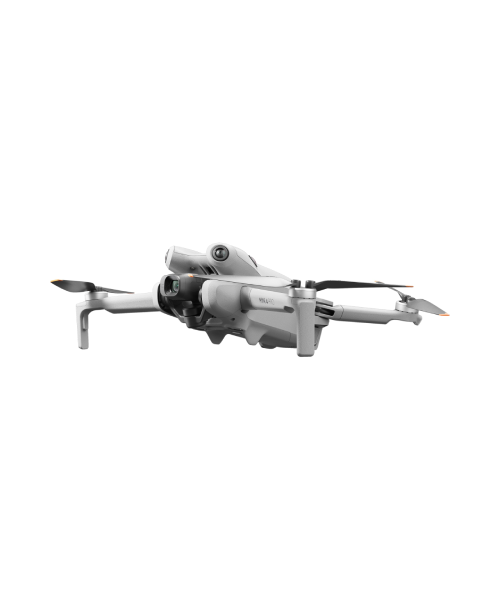
Available at: DJI (dji.com), Amazon, camera retailers
Best for: Those who want aerial photography at travel destinations where drones are permitted.
The DJI Mini 4 Pro is under 249 grams — the specific weight limit that exempts the drone from the most restrictive drone regulations in most countries (including most of Europe under EASA’s Open Category). The image quality from the 1/1.3-inch sensor is above what smaller-sensor drones produce in the low-light and high-contrast situations that travel photography frequently involves.
The important caveat: drone regulations vary by country and change regularly. Checking the specific regulations for the destination — the no-fly zones around airports, national parks, historical sites, and urban areas — before flying is required rather than optional.
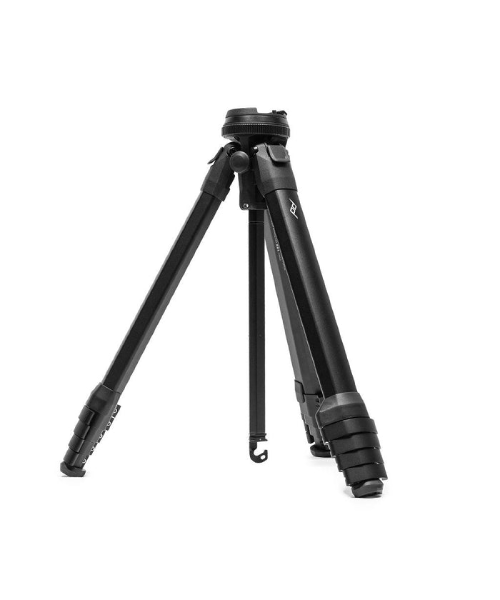
Available at: Peak Design (peakdesign.com), Amazon
Best for: Photographers who want a travel tripod that’s genuinely pocketable and genuinely stable.
The Peak Design Travel Tripod is the tripod that solves the specific problem most travel tripods have — they’re either too large and heavy to carry or too lightweight and flexible to be useful for actual photography. The Peak Design’s carbon fibre construction produces stability in a weight and compressed size that fits in a daypack alongside everything else.
For the early morning and late evening photography where tripod use produces the long-exposure images that hand-held can’t achieve — the waterfall with silky water, the city at dusk with car light trails, the star photography that requires thirty-second exposures — the travel tripod is the specific equipment that makes these images possible.
The Best Travel Photography Practice
Download and edit on the trip. The photographs not reviewed until arriving home are the photographs not learning from on the trip. The daily fifteen-minute review of the day’s photographs — identifying the ones that worked and why, the ones that didn’t and why — accelerates the learning that travel photography provides.
Travel lighter to photograph more. The specific correlation between how much a photographer carries and how many good photographs they make is inverse. The photographer weighed down by equipment spends mental energy on equipment management. The photographer with one camera and one lens spends mental energy on the image. Know what equipment actually gets used and leave the rest.
Conclusion
Great travel photography comes from the approach rather than the equipment — the early morning, the human subject, the look around the landmark rather than at it. Sony A7C II for those who want full-frame quality in a body small enough to carry everywhere. The 35mm prime for the single versatile lens that produces more consistent photography than multiple zoom lenses. DJI Mini 4 Pro for aerial perspective where regulations permit. Peak Design Travel Tripod for low-light and landscape photography that requires stability. And the specific practices — review daily, travel lighter, stay later for the light — that produce better photography than any equipment upgrade.

