
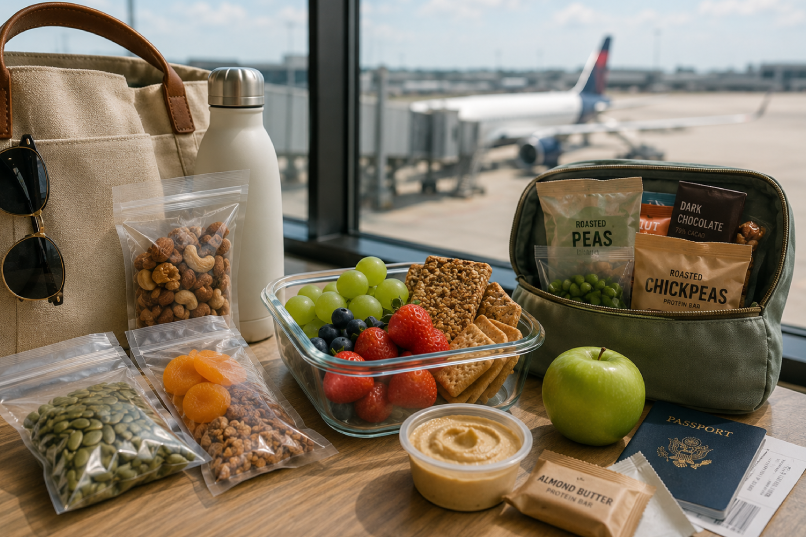
The food situation in travel is one of the most significant variables in how a trip feels day to day, and it’s one that planning tends to address inconsistently — either over-planned to the point of restaurant reservations for every meal, or under-planned to the point of expensive airport food and missed lunch because nothing was in range when hunger arrived.
The food approach that works on most trips is somewhere in the middle: a few strategic plans for the meals that matter most, the flexibility to eat what looks good in the moment for the others, and the snack supply that bridges the gaps without defaulting to whatever the nearest vending machine offers.
Products
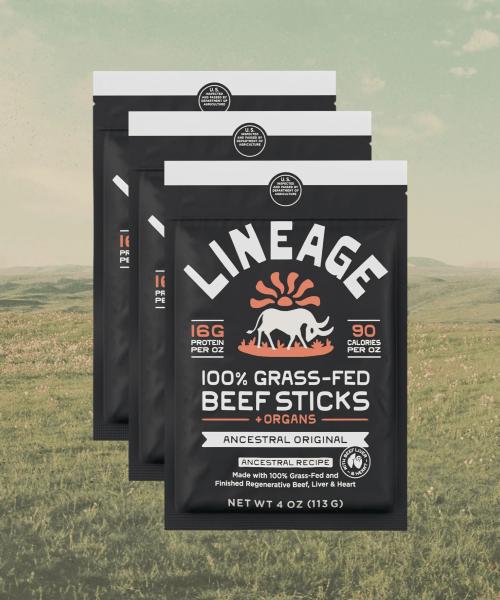
Lineage Provisions applies their artisan ingredient quality to snack formats that travel — the specific combination of shelf-stable, nutrient-dense, genuinely delicious snacks that bridge the gap between meals without the energy crash that most travel snacks produce. The artisan sourcing means these are snacks that taste like a deliberate choice rather than the last resort of airport convenience food.
- Price: $25–$45 for a selection
- Available at: Lineage Provisions (lineageprovisions.com)
- Best for: Those who want travel snacks that are genuinely good rather than just adequate — the snack selection that makes the gap between meals worth looking forward to

Already mentioned in the road trip section, Balance of Nature’s travel supplement packs maintain nutritional consistency during the period when dietary habits are most disrupted. Travel eating is typically less nutrient-dense and less varied than home eating — more restaurant meals with more processed options and fewer vegetables and fruits than daily life typically provides. The whole food supplement format addresses this specific travel nutrition gap.
- Price: From $12 for a travel pack
- Available at: Balance of Nature (balanceofnature.com)
- Best for: Those who want to maintain nutritional coverage during travel when dietary variety is typically reduced — the travel supplement that fills the food quality gap
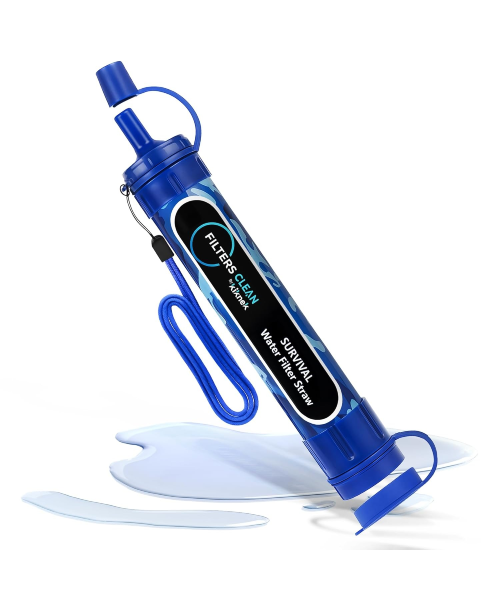
KastKing produces a portable water filter for outdoor and travel contexts — the specific product for destinations where tap water quality is uncertain and where the environmental and cost impact of buying bottled water for the full trip is significant. The filter produces drinking-quality water from local tap water in most travel destinations, addressing both the safety concern and the sustainability concern of bottled water consumption during travel.
- Price: $25–$45
- Available at: KastKing (kastking.com), Amazon
- Best for: Travel to destinations where tap water quality is uncertain — the portable filter that eliminates the cost and environmental impact of bottled water while addressing the safety concern
The Airport Food Trap
Airport food is the travel food situation that produces the most consistent dissatisfaction and the least nutritional value at the highest price. The combination of limited options, inflated prices, the specific psychological state of airport waiting, and the tendency to eat from boredom or anxiety rather than hunger produces a food experience that feels good in the moment of eating and wrong before boarding.
The approach that avoids most airport food problems: eat before arriving at the airport rather than depending on airport food for meals. Bring food from home or a pre-airport shop for the transit. Keep snacks accessible in the carry-on for the waiting period. And if airport food is unavoidable, the sit-down options at most major airports are typically higher quality than the grab-and-go options, at a price premium that’s less than it seems compared to the quality differential.
Eating Well at Destinations
The food that makes travel genuinely good is the food that’s specific to the destination — the regional dishes, the local markets, the specific restaurants that exist because of a particular food culture rather than in spite of it. This is the food dimension of travel that most rewards research and that most clearly distinguishes the traveler who was genuinely there from the one who ate at the familiar international chain across the street from the hotel.
The research worth doing for destination food: identify three to five specific things to eat that are genuinely specific to the destination — the regional dish that doesn’t exist outside the place, the market that locals actually use, the specific neighborhood known for a particular food type. These become the food aims of the trip. Everything else can be whatever is convenient.
Managing Food in Variable Destinations
Travel eating is most difficult when the destination’s food infrastructure doesn’t match the traveler’s needs — the long walk with no obvious eating options, the jet-lagged morning when breakfast timing is off, the late arrival when everything is closed. These are the situations that the travel snack supply manages rather than the meals.
The snack supply worth traveling with: things that are genuinely satisfying rather than just available (the difference between a quality snack and a gas station alternative), things that don’t require refrigeration, things that travel without creating mess or smell in the bag, and things that provide sustained energy rather than the quick rise and quick fall of sugar-heavy snacks.
Conclusion
Travel food worth thinking about is food that’s prepared for the gaps between meals, maintains nutritional consistency during a period when diet is typically less varied, and makes the destination food the genuine highlight rather than the fallback when other options aren’t available. Lineage Provisions’ travel snacks are the gap-bridging food worth having. Balance of Nature’s supplements maintain nutritional coverage during the dietary disruption of travel. Nomatic’s food containers keep home-prepared travel food organized and contained. And KastKing’s portable water filter addresses the water quality concern in destinations where tap water is uncertain. Eat the destination food with enthusiasm, snack deliberately in the gaps, and the food dimension of travel becomes an enhancement rather than a logistical challenge.

